
Last updated November 15, 2026
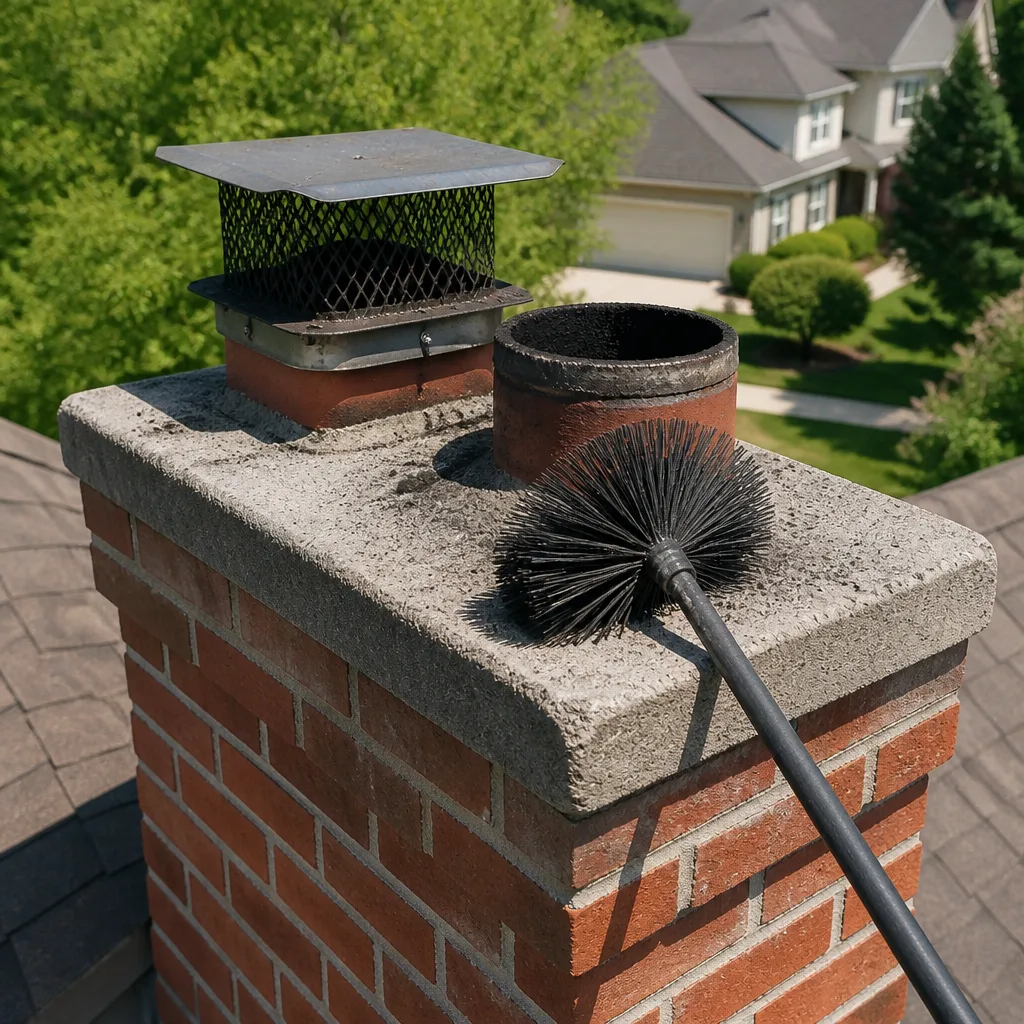 Sweep & inspection
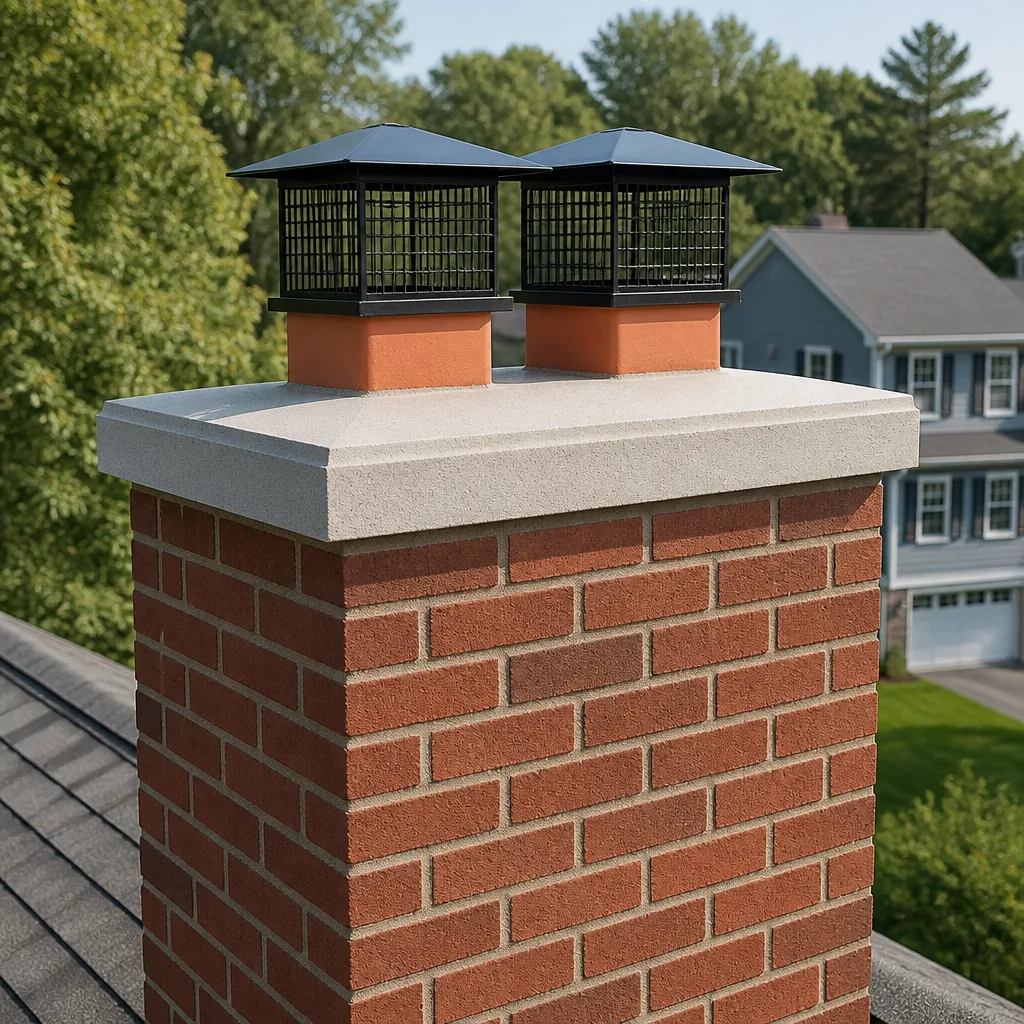 Caps & crowns
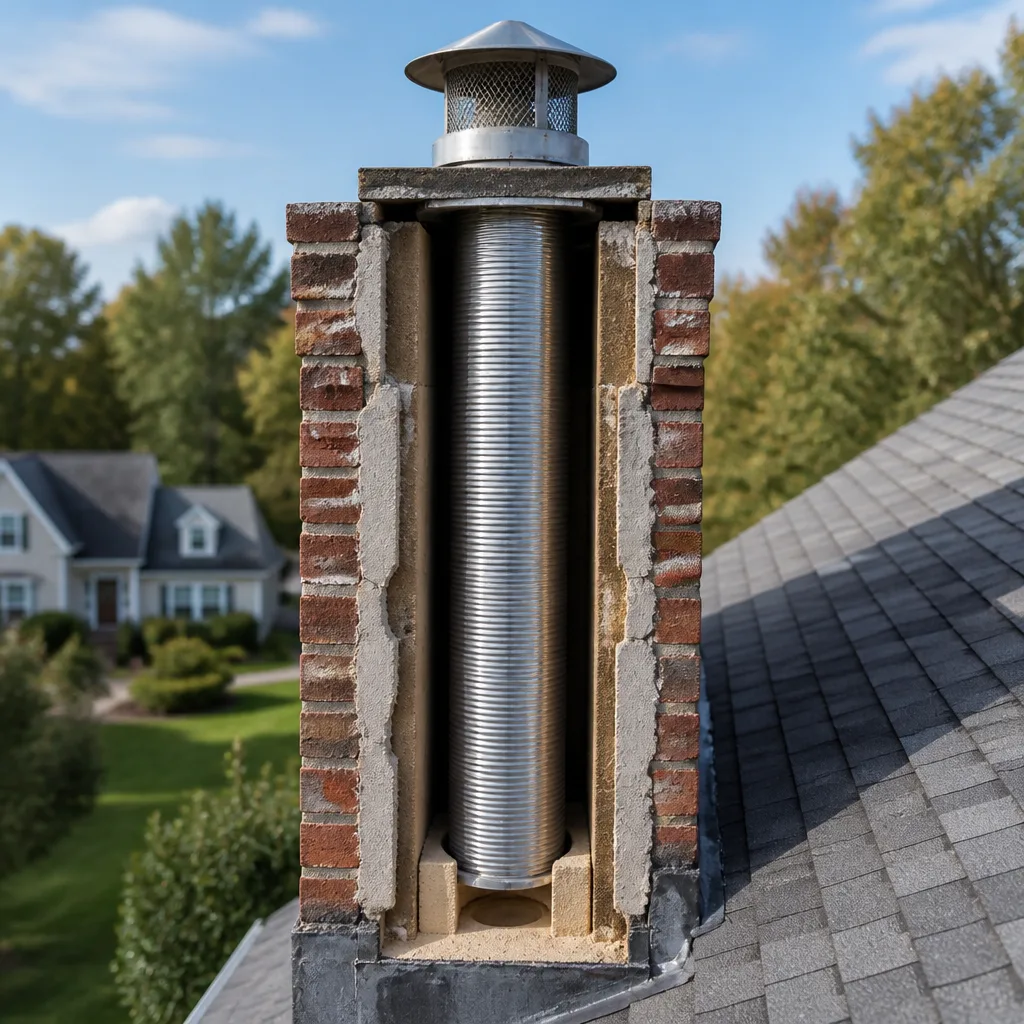 Flue relining
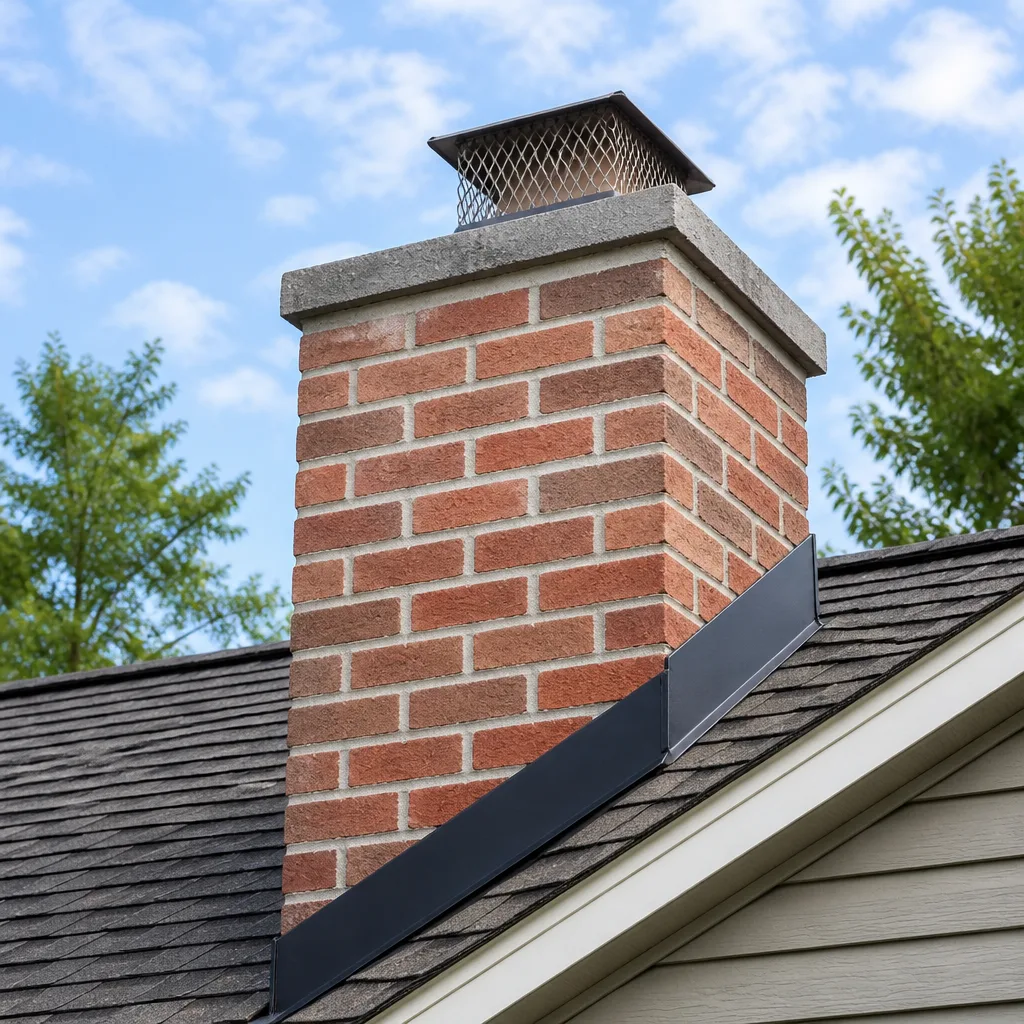 Masonry repair
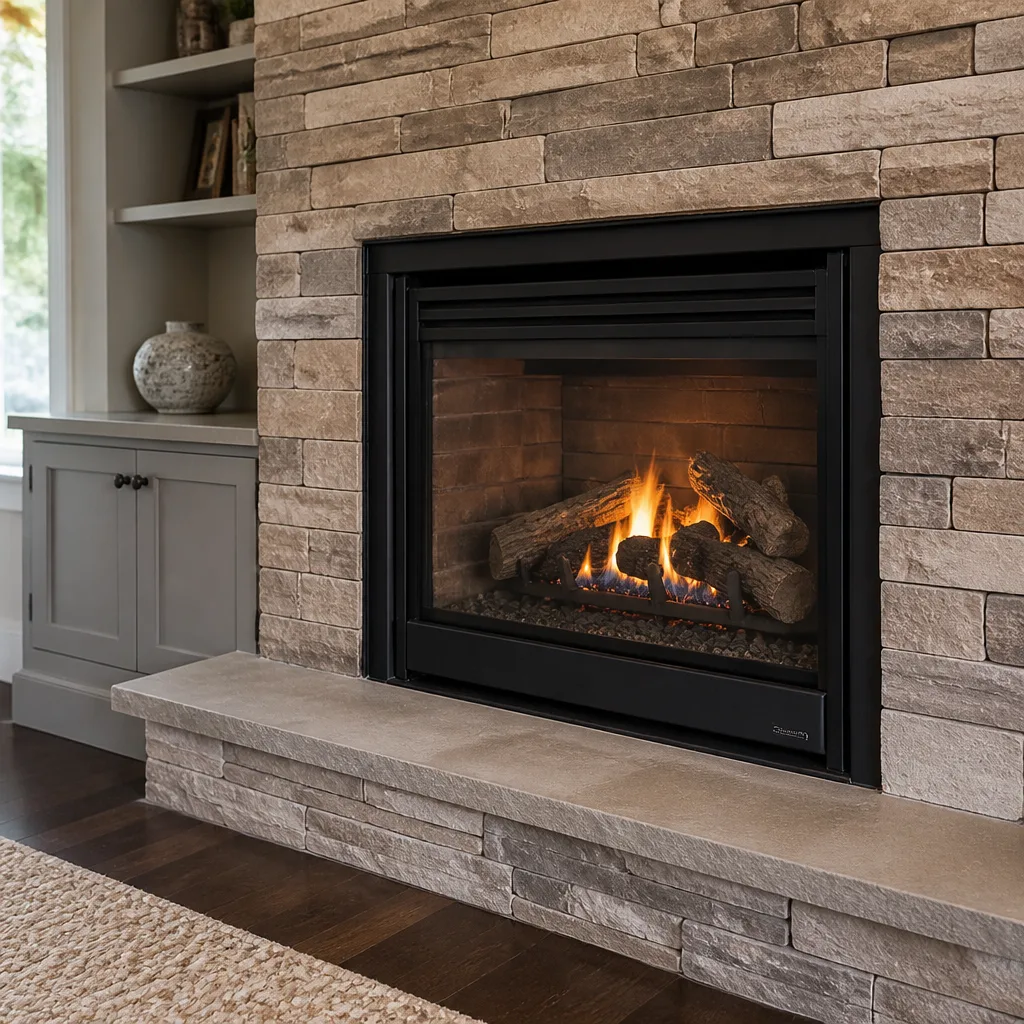 Gas fireplace service
Level 1 sweep and inspection to the NFPA 211 annual standard - flue, crown, cap, and flashing checked and photographed
Chimney sweep logs do not sweep chimneys. They loosen some creosote - which then falls where a brush and vacuum still have to collect it.
The Complete Guide to Chimney Cleaning in Palm Bay
Here’s the counterintuitive part about chimney care in Palm Bay: the amount of wood you burn barely predicts how much trouble your chimney is in. A homeowner who lights a fire a handful of times each winter can still end up with a flue full of creosote, cracked mortar, and a nest of twigs jammed above the damper. Our warm, humid climate does its own slow work on a chimney between fires, and Florida’s short burning season packs deposits into a tight window rather than spreading them out. This guide maps what actually happens inside a Palm Bay chimney across the year, what a proper cleaning looks like here, and how to tell a real sweep-inspect-repair visit from a cleaning-only discount. Everything below is specific to how chimneys behave in Palm Bay.
Quick Answer
Chimney cleaning in Palm Bay means removing creosote, soot, and debris from the flue, then inspecting the firebox, damper, cap, and liner for damage that humidity and wildlife cause between burns. A full visit pairs a sweep with a camera inspection, and any repair found is handled by the same team so you’re not scheduling a second company. Most Palm Bay homes should be swept and inspected once a year, even when fires are few, because the off-season is when moisture and critters do the most damage.
Styles & brands we work with
- Sweep & inspection
- Caps & crowns
- Flue relining
- Masonry repair
- Gas fireplace service
Table of Contents
- Why chimney cleaning in Palm Bay isn’t like anywhere else
- How humidity and off-season moisture break a chimney down
- The short burn season and concentrated creosote
- Wildlife intrusion during the long off-season
- What a full sweep-inspect-repair visit covers
- Why professional-grade caps and liners matter here
- What chimney cleaning costs in Palm Bay
- Common mistakes to avoid
- When to call a professional
- Frequently asked questions
Why Chimney Cleaning in Palm Bay Isn’t Like Anywhere Else
Most chimney advice you’ll read online was written for cold climates where a fire burns every night from October to April. Palm Bay isn’t that. Winter here is mild, the burning season is short, and long stretches of humid, still air separate the fires. That combination reshapes what your chimney is up against. Creosote doesn’t build gradually over months of steady burning; it collects in a compressed window, then sits through months of heat and moisture.
At the same time, the interior of a chimney in Palm Bay spends most of the year damp and quiet. Mortar joints soften. The firebox masonry wicks moisture. The flue tile can spall and crack. And because the chimney sits unused much of the year, it becomes attractive real estate for squirrels, birds, and raccoons. A homeowner who lit six fires last winter might reasonably assume there’s nothing to clean. In our experience, that assumption is exactly when problems get missed.
This is why a chimney sweep in Palm Bay can’t be a generic brush-and-go. The visit has to account for how little burning happened, how much moisture the chimney absorbed in the meantime, and whether anything moved in above the damper. Sweeping, inspection, and repair all matter here, and they matter together.
How Humidity and Off-Season Moisture Break a Chimney Down
Florida humidity is the quiet engine behind most chimney deterioration in Palm Bay, and it works whether or not you ever light a fire. Masonry is porous. It pulls moisture out of the air, holds it, and releases it slowly. Over a long off-season, that cycle stresses the mortar joints between flue tiles and softens the firebox brick. You won’t see it from the living room. You see it when a camera inspection reveals cracked joints or a crumbling firebox wall.
What accelerates this in Palm Bay:
- Long idle periods. A chimney that isn’t being dried out by regular fires stays damp inside far longer than one in a colder climate.
- Missing or failing caps. A cracked or absent cap lets rain straight into the flue, and that standing moisture does fast damage.
- Cracked flue tile. Once a tile cracks, moisture reaches the mortar behind it, and the crack widens season by season.
- Clogged or blocked dampers. A damper that won’t fully close leaves the flue open to humid air around the clock.
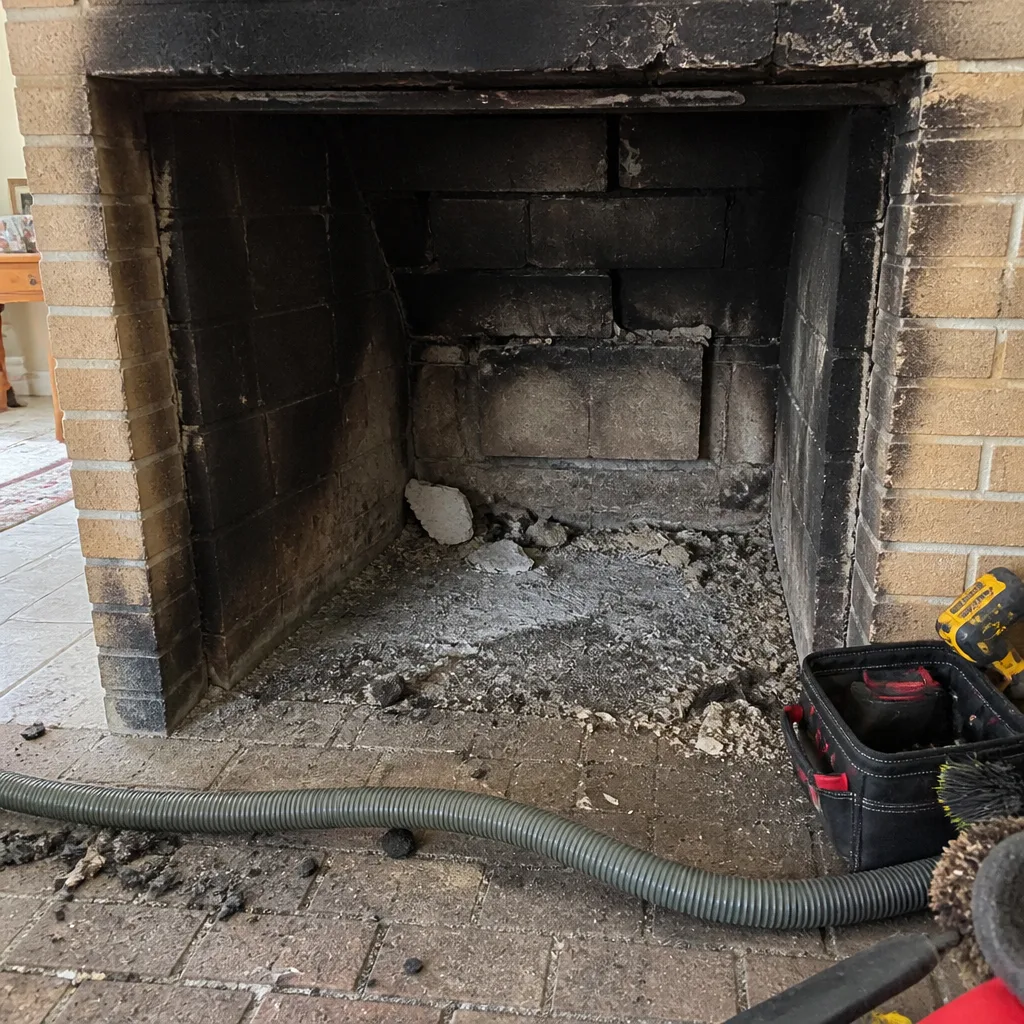
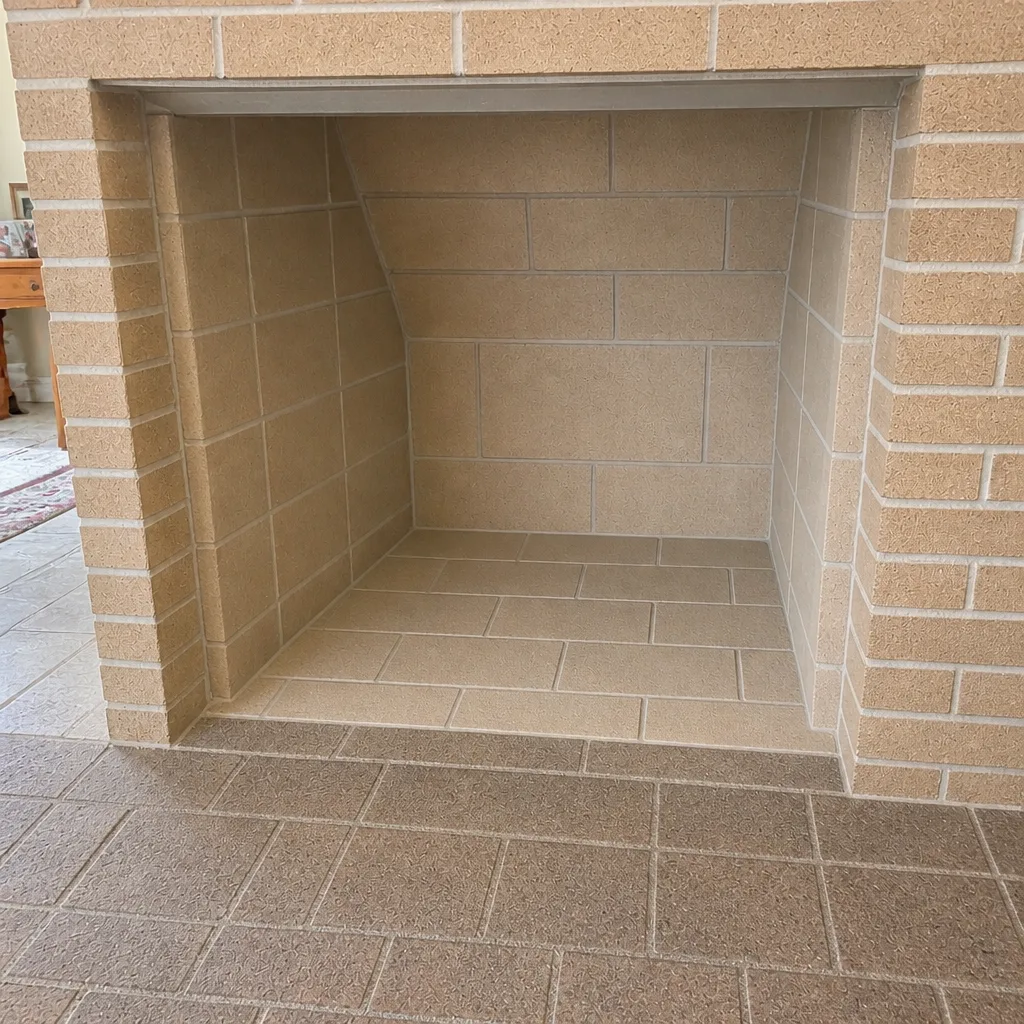
This is where specialist materials earn their place. HeatShield is a ceramic resurfacing system we use to restore cracked firebox walls and damaged flue tile, and it’s the kind of product most generalist handymen don’t stock or know how to apply. When moisture has already done damage, restoring the surface is how you stop the next rainy season from making it worse. We document what we find so you can see the cracks for yourself rather than taking our word for it.
The Short Burn Season and Concentrated Creosote
Here’s the deposit pattern that trips up Palm Bay homeowners: creosote concentrates faster when you burn intensely for a short stretch than when you burn steadily across a long winter. The handful of cold nights that send everyone to the fireplace produce the hottest, most deposit-heavy fires of the year, and those fires happen close together. The result is a dense, narrow band of creosote rather than an even coating.
That matters because creosote comes in forms. The thin, flaky kind brushes out easily. The glazed, tar-like kind is harder and more combustible, and it’s what builds when a fire runs cool and smoky or when a chimney stays damp between burns. A short, intense season is a recipe for that second kind if draft is poor or wood is unseasoned.
Three things concentrate creosote in a Palm Bay chimney:
- Burning green or damp wood. Wood that hasn’t dried properly produces more smoke, and more smoke means more deposit.
- Cool flue temperatures. A short, hot fire in a cold flue can leave unburned gases condensing on the walls.
- Restricted draft. A partially blocked flue or a cap that’s clogged slows the escape of smoke and lets it settle.
Because deposits pile up in that narrow window, a mid-season or end-of-season sweep catches more than an annual check scheduled at the wrong time. If you’re planning a chimney sweep, doing it after your last fire of the year clears the concentrated band before it sits through the humid months.
Wildlife Intrusion During the Long Off-Season
Florida’s long warm off-season is an open invitation to wildlife, and a chimney is a perfect cavity: sheltered, dry, and high off the ground. Squirrels, birds, and raccoons all find their way in, usually through a missing cap or a loose one. What they leave behind is the part homeowners don’t think about. Nesting material, droppings, and debris block the flue, and a blocked flue is a carbon monoxide problem waiting for the first fire of the season.
What a sweep typically finds after a season of wildlife use:
- Nests packed above the damper. Twigs, leaves, and insulation compressed into the smoke chamber.
- Droppings and debris on the smoke shelf. Organic matter that holds moisture against the masonry.
- Damaged or dislodged caps. The entry point itself, often knocked loose getting in.
- Chewed or disturbed flashing and screens. Gaps that invite the next visitor.
This is one more reason a cleaning-only service falls short in Palm Bay. If a technician brushes the flue but never checks the cap or the smoke chamber, the nest goes unnoticed and the entry point stays open. A proper cap, from a line like Gelco or Famco, closes the door. Sweeping clears what got in; a cap keeps it out. You need both.
What a Full Sweep-Inspect-Repair Visit Covers
A full-spectrum visit handles the whole chimney system in one appointment, which is different from a “cleaning only” discount service that brushes the flue and leaves. The difference shows up in what gets checked. A brush-only sweep tells you the flue is clear. A full visit tells you whether the firebox, damper, cap, and liner are sound enough to keep using safely, and it fixes what it finds without sending you to a second company.
Here’s how a complete visit runs:
- Set up and protect the room. Drop cloths and a sealed vacuum keep soot out of your living space.
- Sweep the flue. Brushes sized to the flue remove creosote, soot, and debris down to the smoke chamber.
- Clear the firebox and smoke shelf. Debris and any wildlife material are removed, not just pushed aside.
- Run a camera inspection. The flue, liner, and joints are checked on camera so you can see the condition yourself.
- Check the cap, damper, and flashing. The entry points and controls are tested and noted.
- Document findings and quote repairs. Anything found is explained with the camera evidence and priced by written estimate.
Because sweeping, inspection, and chimney repair are handled by the same team, a crack found during inspection becomes a repair diagnosis in the same visit. You’re not rescheduling, re-explaining, and waiting for a different crew to come to the same conclusion. That single-point accountability is the whole point of a full-spectrum visit.
Why Professional-Grade Caps and Liners Matter Here
The parts on your chimney do the long-term work, and in Palm Bay’s climate the gap between professional-grade components and box-store alternatives shows up within a few seasons. A cheap cap that rusts or warps leaves the flue open to rain and wildlife. A generic liner that doesn’t fit the flue properly leaves gaps where moisture and heat do damage. The product line matters as much as the installation.
We work with brands the trade relies on, including HeatShield for firebox and flue tile resurfacing, DuraFlex for flexible liner systems when a full reline is needed, and Gelco and Famco for caps, dampers, and venting. That range means repairs address the whole system, not just the visible flue. If the firebox needs resurfacing, that’s HeatShield; if the liner has failed, that’s a DuraFlex reline; if the cap is the entry point, it’s a correctly fitted cap from a known line. Naming the materials matters because it’s how you know what’s going into your chimney.
Cheaper components tend to fail at the joints and seams first, and those are precisely the spots that let Florida humidity inside. A professional-grade cap seated correctly and a liner sized and sealed to the flue do more to protect a Palm Bay chimney between burns than any amount of cleaning after the fact. This is the “same brands pros use” difference, and it’s worth understanding before you approve a repair.
What Chimney Cleaning Costs in Palm Bay
Chimney cleaning in Palm Bay typically runs from around $150 to $350 for a standard sweep and inspection, with the final price set by the written estimate after we see the chimney. The range reflects how much buildup there is, whether wildlife debris has to be cleared, and whether the inspection turns up repair work. A cleaning-only visit sits at the low end; a full sweep-inspect-repair visit is priced for what it actually covers.
Typical estimated ranges you’ll see:
| Service | Typical estimated range |
|---|---|
| Standard sweep and inspection | $150 – $350 |
| Sweep plus wildlife/debris removal | Higher end of the sweep range |
| Firebox or flue tile resurfacing (HeatShield) | Quoted separately by estimate |
| Full liner replacement (DuraFlex) | Quoted separately by estimate |
| Cap, damper, or venting repair | Quoted separately by estimate |
Nothing beyond the sweep is recommended without camera evidence you can see for yourself, and we’ll tell you plainly when work can safely wait. The written estimate sets the final price, so there’s no surprise number after the fact. If you’ve had a scare about liner or masonry work and have no way to verify it, that camera documentation is the answer: you see what we see before anything is approved.
Common Mistakes to Avoid
- Skipping the sweep because you barely burned. A light burning season doesn’t mean a clean chimney in Palm Bay; moisture and wildlife do their work regardless of fire count.
- Hiring a cleaning-only service. A brush without an inspection misses a cracked liner or a nest in the smoke chamber. Both are problems the flue brush never touches.
- Ignoring a missing or loose cap. The cap is the single entry point for rain and animals. Leaving it off through a long off-season invites the damage you were trying to avoid.
- Burning unseasoned wood. Damp wood makes more smoke and more of the hard, glazed creosote that’s harder to remove. It also makes the concentrated deposits worse.
- Assuming a cheap cap or liner is good enough. Generic components fail at seams and joints first, and those are exactly where Palm Bay humidity gets in.
- Waiting until the first cold night. Scheduling the sweep during the burning season means catching deposits late. Clear the flue before the fires start.
- Approving big repair work without seeing the evidence. Ask to see the camera findings. Any reputable team will show you exactly what needs fixing and why.
When to Call a Professional
Call a professional when you notice smoke rolling back into the room, a strong odor from the firebox even when there’s no fire, visible crumbling or cracking in the firebox, or a cap that’s come loose or gone missing. Call if it’s been over a year since the last inspection, if you’ve just bought a home and have no chimney history, or if you hear scratching or chirping from the flue during the off-season. Any of these points to work that needs a trained eye.
Some of this is genuinely dangerous. Creosote is combustible, a blocked flue can back carbon monoxide into the home, and cracked masonry doesn’t fix itself. A homeowner shouldn’t be climbing onto the roof or reaching into a flue to diagnose it. Chimney Sweep Palm Bay offers free estimates in Palm Bay. Call (855) 632-3563. We answer 24/7. Fast dispatch from 7am to 7pm, Sunday through Friday.
Frequently Asked Questions
Once a year is the right baseline for most Palm Bay homes, even when you burn fewer than 20 fires a season. The annual habit matters less for soot than for catching moisture damage and wildlife intrusion before they spread. If you burn heavily or notice smoke or odor, a mid-season sweep is worth scheduling. Call (855) 632-3563 for an exact quote – estimates are free.
Only when the camera inspection shows the existing liner is cracked, spalled, or improperly sized, and not before. A liner recommendation should come with photo or camera evidence you can see and an explanation of why it can’t safely wait. When a reline is truly needed, we use DuraFlex flexible liner systems sized to the flue. If the liner is sound, we’ll tell you so. Call (855) 632-3563 for an exact quote – estimates are free.
Skip it and three things can build up quietly: creosote, which is combustible; moisture damage to mortar and firebox, which the humid off-season accelerates; and wildlife debris blocking the flue, which is a carbon monoxide risk. None of them announce themselves from the living room. Call (855) 632-3563 for an exact quote – estimates are free.
Usually not, because it brushes the flue but doesn’t inspect the cap, firebox, damper, or smoke chamber. In our climate the off-season problems live in those places as much as in the flue. A full sweep-inspect-repair visit covers the whole system in one appointment. Call (855) 632-3563 for an exact quote – estimates are free.
Squirrels, birds, and raccoons get in through a missing or loose cap, and they favor a chimney during the long warm off-season when nothing’s burning. What they leave behind – nests, droppings, and debris – can block the flue. A properly fitted cap closes the entry point. Call (855) 632-3563 for an exact quote – estimates are free.
A standard sweep and inspection in Palm Bay typically runs from around $150 to $350, with the written estimate setting the final price. Repairs like resurfacing, relining, or a new cap are quoted separately. Nothing beyond the sweep is recommended without camera evidence. Call (855) 632-3563 for an exact quote – estimates are free.
The Bottom Line
Chimney cleaning in Palm Bay comes down to three things a generic guide won’t tell you: humidity does damage between fires, the short burn season concentrates creosote into a tight band, and the off-season is when wildlife moves in. That’s why a cleaning-only service falls short and a full sweep-inspect-repair visit earns its place. Clear the flue after your last fire, check the cap before the wet months, and don’t approve big repair work without seeing the camera evidence for yourself. Our technicians have up to 13 years of experience. If your chimney is due, Chimney Sweep Palm Bay handles the sweep, the inspection, and any repair it finds.
If you’re ready to know what’s actually inside your chimney, call Chimney Sweep Palm Bay at (855) 632-3563. We answer 24/7. Fast dispatch from 7am to 7pm, Sunday through Friday, and the estimate is free. You’ll see the findings, understand what can wait, and get a written price before anything is approved. Our team serves homeowners across Palm Bay and the surrounding area, and everything starts with a call.
Written by the team at Chimney Sweep Palm Bay.
See the difference
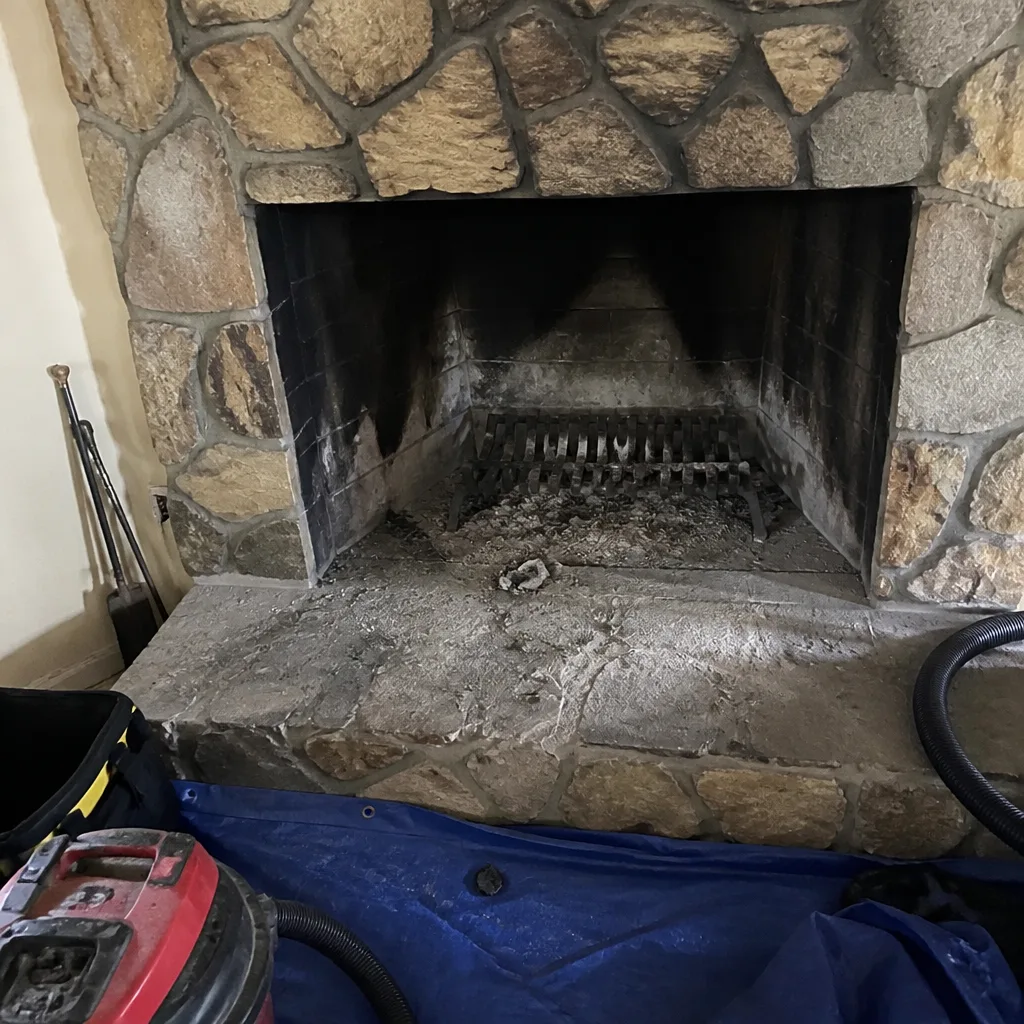 Before
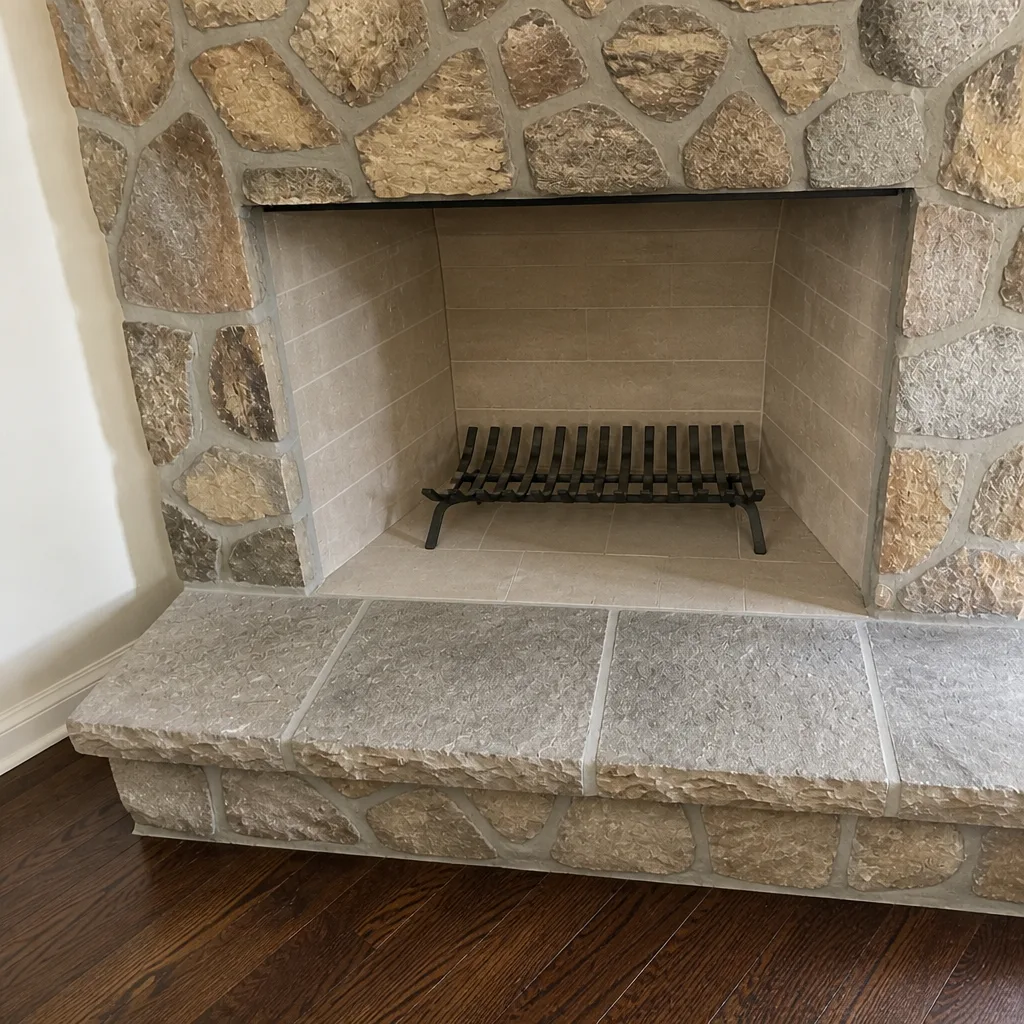 After
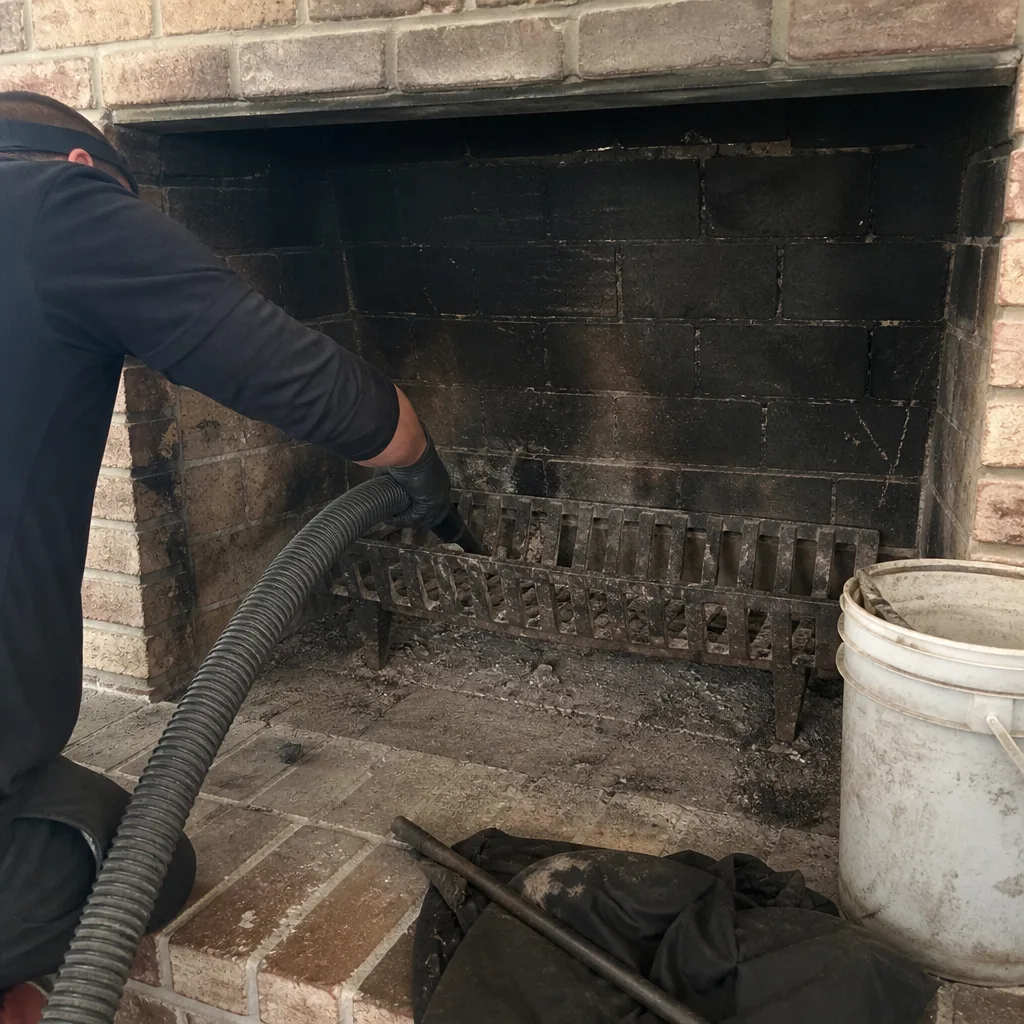 Before
 After
 Before
 After