
Last updated November 15, 2026
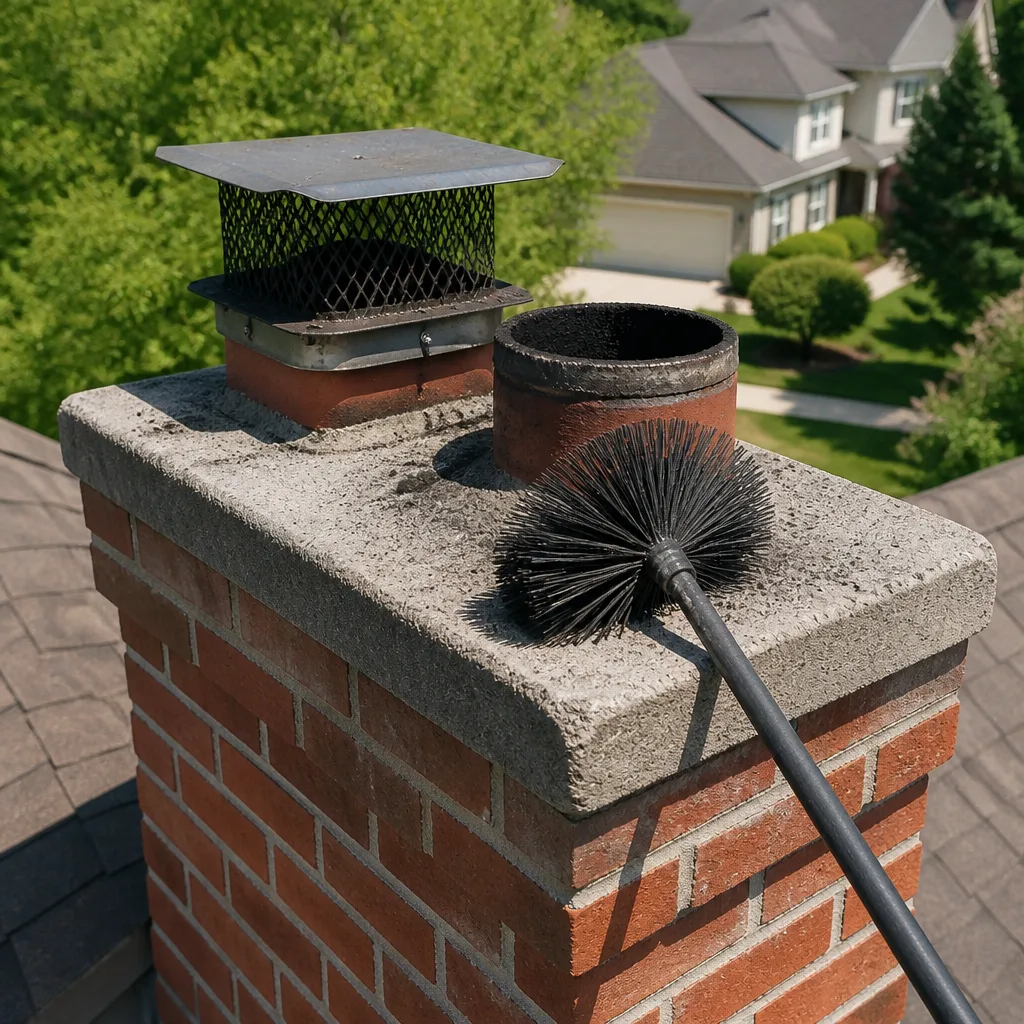 Sweep & inspection
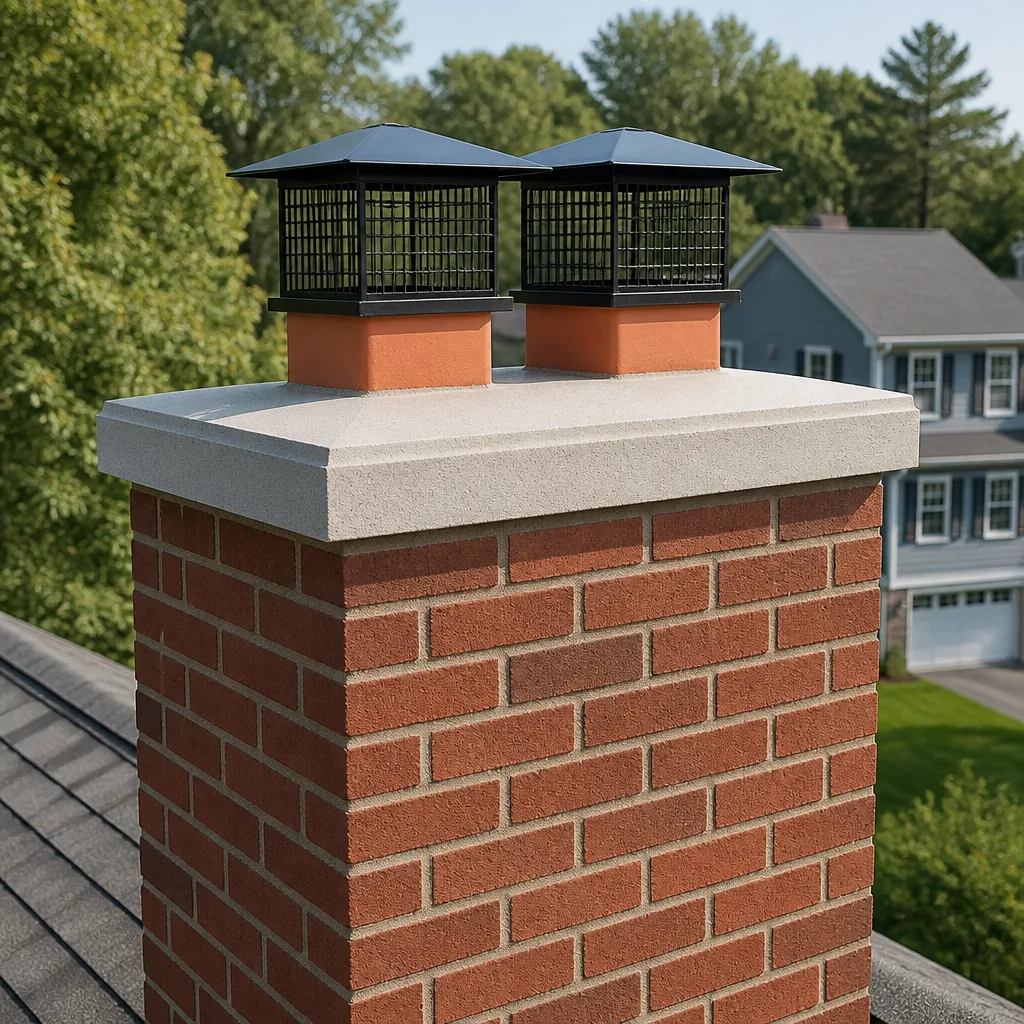 Caps & crowns
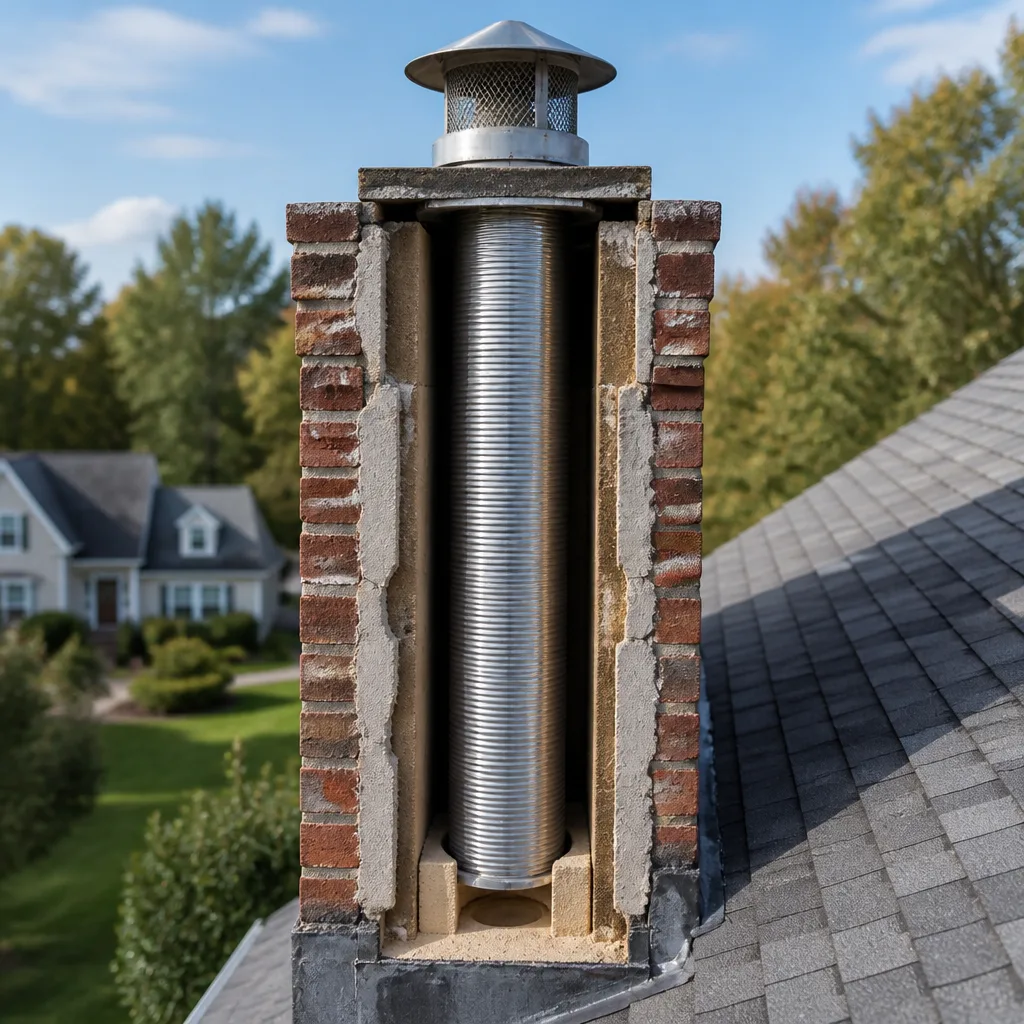 Flue relining
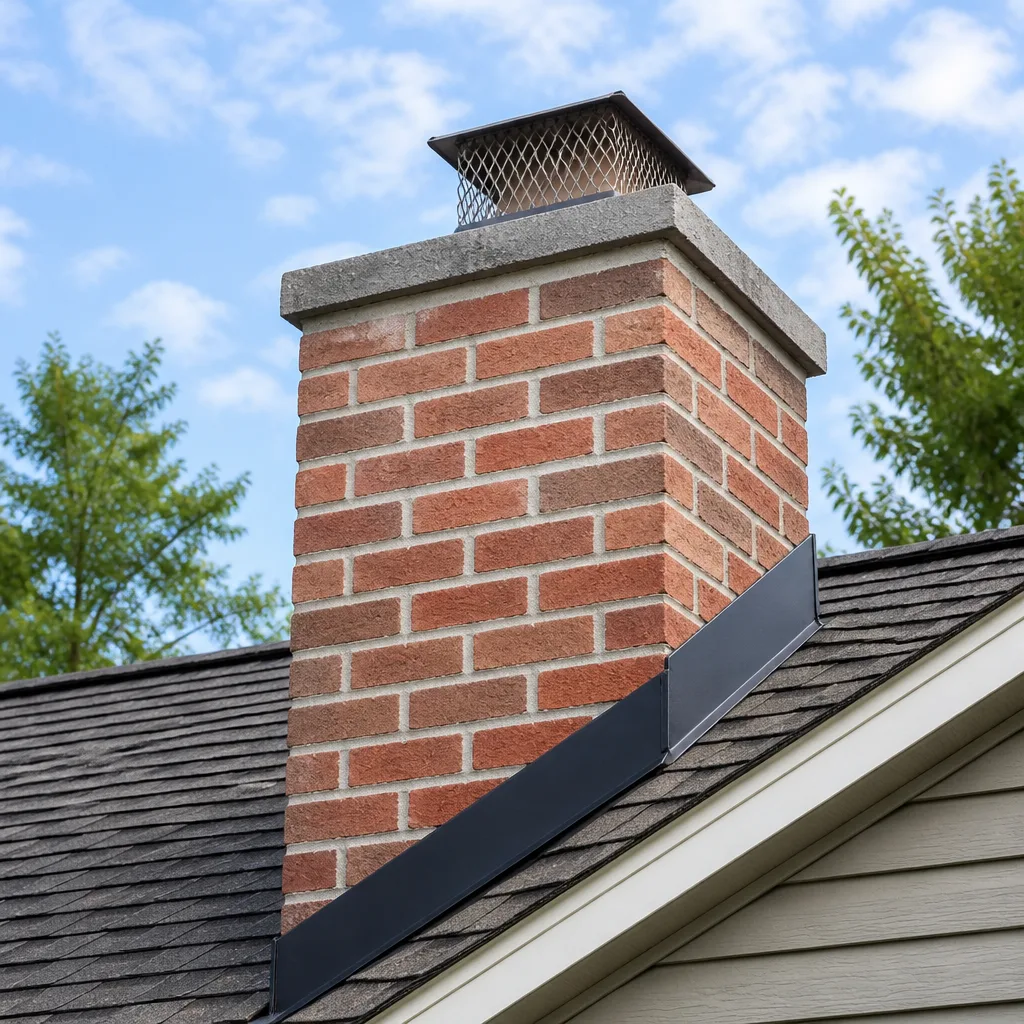 Masonry repair
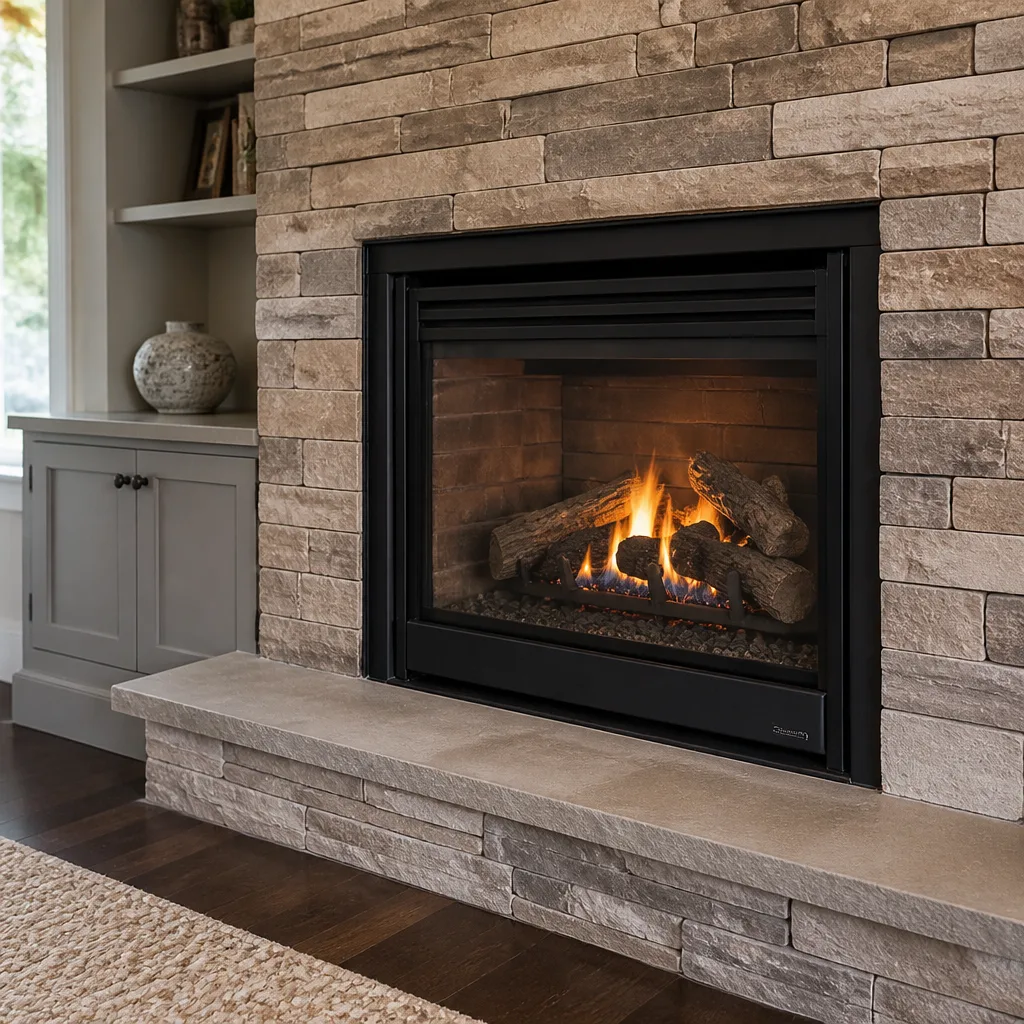 Gas fireplace service
Level 1 sweep and inspection to the NFPA 211 annual standard - flue, crown, cap, and flashing checked and photographed
Chimney sweep logs do not sweep chimneys. They loosen some creosote - which then falls where a brush and vacuum still have to collect it.
DIY vs Professional Chimney Cleaning: The Palm Bay Homeowner’s Decision Guide
Here’s the part most DIY guides skip: a chimney brush kit and a shop vac will pull loose soot off the flue walls. They will not tell you whether the clay tile liner cracked during last summer’s heat cycling, and that hidden crack is the actual risk in a Florida chimney. In drier climates, creosote buildup is the headline problem. In Palm Bay, moisture is the quieter one, working from the inside where you can’t see it. This guide draws a practical line: what a homeowner can genuinely handle, what no brush kit can detect, and how to know which side of that line your chimney sits on.
Quick Answer
DIY chimney cleaning is only reasonable for a lightly used, factory-built fireplace with a known service history and no prior damage. Everything else – cracked tile, glaze-stage creosote, moisture damage, a gas insert under warranty – needs a professional sweep with a camera and rotary equipment. In Palm Bay’s humid climate, the liner damage you can’t see matters more than the soot you can.
Styles & brands we work with
- Sweep & inspection
- Caps & crowns
- Flue relining
- Masonry repair
- Gas fireplace service
Table of Contents
- What a Chimney Brush Actually Removes – and What It Can’t
- Why DIY Cleaning Is Riskier in Palm Bay Than in Drier Climates
- Three Scenarios Where DIY Makes Sense
- Three Scenarios Where DIY Creates Liability You Didn’t Intend
- What Professional Equipment Looks Like vs. a Cheap Sweep
- How DIY Cleaning Interacts With Warranties on Inserts, Prefabs, and Liners
- What a Professional Inspection Actually Documents
- Cost of DIY vs Professional Cleaning in Palm Bay
What a Chimney Brush Actually Removes – and What It Can’t
A brush removes soot and soft, flaky creosote from the flue walls your brush can physically reach. That’s a real service, and on a clean-burning, regularly maintained chimney, it’s most of the job. The limit isn’t the brush – it’s the eye at the end of your arm.
Here’s what a brush and a flashlight cannot do:
- Detect hairline cracks in clay tile. A crack in a flue tile can be thinner than a credit card and still let combustion gases escape into the chimney chase. You can’t see it through soot residue and you can’t feel it with a brush.
- Find gaps at mortar joints. The joints between tile sections are where moisture damage starts in Florida chimneys. A camera sees them; a flashlight from the firebox doesn’t.
- Read the creosote stage. Soft, dusty creosote brushes away easily. Glaze-stage creosote is a hard, tar-like coating that a standard brush polishes rather than removes – and that’s the stage tied to chimney fires.
- Check the smoke chamber and damper area. The smoke chamber above the damper is angled and rough, and soot builds there where a straight brush pass never reaches.
- Assess the cap and crown. A cracked crown lets water into the chimney structure. You can’t evaluate it from the firebox.
So the honest answer to “can I clean my own chimney?” is: yes, you can remove loose soot. What you can’t do is confirm your chimney is sound. Those are two different tasks, and only one of them can be done from the hearth.
Why DIY Cleaning Is Riskier in Palm Bay Than in Drier Climates
Palm Bay’s climate changes what you’re up against inside a chimney. Winters here are mild, so fireplaces often sit unused for months and then get a burst of use during a cold snap. Meanwhile, the humidity doesn’t take the season off. That combination produces a specific problem set.
Moisture damage hides under soot
In a dry climate, a cracked liner announces itself. In Palm Bay, the same crack sits under a film of soot and moisture-driven staining, and the homeowner reads the firebox as “dirty, not damaged.” A professional sweep cleans the surface first, then inspects – the order matters. You can’t evaluate a flue tile through residue.
Humidity cycling stresses masonry
Clay tile and mortar absorb and release moisture as humidity rises and falls across a Florida year. Over many seasons, that cycle is what opens joints and hairline cracks. It’s slow, quiet damage. It doesn’t produce smoke in the living room, so it goes unnoticed until an inspection finds it – or until it becomes a repair instead of a maintenance item.
Long idle periods let debris accumulate
A chimney that sits unused for months is a chimney that collects what Florida throws at it: leaf litter, nesting material, and the fine debris that a cap should keep out but a damaged cap won’t. When the first cool evening arrives, the flue isn’t in the condition the homeowner remembers. A camera inspection before the season settles that question.
None of this means Palm Bay chimneys are inherently dangerous. It means the DIY decision here depends on information you can’t gather by eye – which pushes more homeowners toward a professional sweep than the same question would in, say, a dry mountain town. If you’re in Palm Bay and haven’t had your chimney looked at since you moved in, that’s the starting point.
Three Scenarios Where DIY Makes Sense
We’re not going to tell you a brush is useless. There are real cases where a homeowner handling it themselves is reasonable. Here’s the short list.
- You have a documented inspection from the last year and nothing was flagged. If a professional looked at your flue recently and confirmed the liner is sound, the cap is intact, and the creosote is at a soft stage, a between-visit brush pass to knock down soot is a reasonable maintenance step. You’re brushing a chimney you already know the condition of.
- You burn only occasional, well-seasoned fires and your flue stays light. A homeowner who lights a fire a handful of times each winter, burns dry hardwood, and brushes soot regularly is managing a low-load chimney. The key phrase is “low-load” – this is not the household running a fire most evenings through the cool months.
- Your fireplace is a factory-built unit with a clean service record and a straight flue you can fully reach. Some prefab fireplaces have short, simple flue runs where a properly sized brush on rods can reach the full length. If you know the run is straight, the brush reaches everything, and the unit has no history of problems, DIY cleaning is defensible.
Notice the pattern: every one of those three depends on a prior professional finding. DIY goes well when it’s maintenance on a chimney someone qualified has already cleared. It goes badly when it’s the first look.
Three Scenarios Where DIY Creates Liability You Didn’t Intend
This is where the decision stops being about effort and starts being about risk. In each of these, cleaning it yourself can leave you responsible for something you didn’t know you were taking on.
- No inspection on record, or more than a year old. If you clean your own chimney and it hasn’t been formally inspected, you’ve removed soot but skipped the actual safety check. A hidden liner crack stays hidden. That’s not a maintenance shortcut – it’s an uninspected chimney that looks maintained.
- You’ve noticed smoke, odor, or visible deterioration. Smoke rolling into the room, a draft that’s changed, a smell that lingers when the fireplace is cold, or crumbled mortar at the firebox – any of these signals a problem a brush won’t fix. Cleaning over a symptom delays diagnosis. Call a professional instead of cleaning first.
- You have a gas insert, a prefab fireplace, or a lined system under warranty. More on this below, but the short version: many manufacturers specify professional service as a condition of warranty coverage. A DIY cleaning with the wrong brush can void coverage on a component that’s expensive to replace.
In our experience, the homeowners who regret DIY cleaning aren’t the ones who made a mess. They’re the ones who cleaned a chimney that had a problem, felt reassured, and went another season without the inspection. The cleaning created false confidence. That’s the liability – not the soot, the assumption.
What Professional Equipment Looks Like vs. a “Cheap Sweep”
Not every professional sweep arrives with the same gear, and the difference is visible. When you compare quotes, ask what equipment comes with the visit. Here’s the gap.
What a proper professional brings
- A rotary brush system. Power-driven brush heads that remove glaze-stage creosote and follow the contour of the flue, not just a hand-pushed brush on rods. This is what separates a real sweep from a soot dusting.
- A chimney camera. A closed-circuit camera run down the flue is the only way to see hairline cracks, joint gaps, and the smoke chamber. This is the core of the inspection and the reason it isn’t something you can self-perform.
- A HEPA vacuum. HEPA filtration keeps soot out of your living room. A shop vac without HEPA filtration blows fine soot back into the air while it works.
- Drop cloths and sealing. The firebox opening gets sealed and the floor covered before any brush goes in.
- Professional-grade components for any repair. When a sweep finds something that needs fixing, the parts matter. We work with DuraFlex flexible liner systems for relining, Olympia Chimney components, and Famco caps and dampers, and we use HeatShield ceramic resurfacing for firebox and flue tile restoration. Those are the kinds of professional-grade brands certified contractors specify, not anonymous parts pulled off a shelf.
What a bargain sweep typically skips
A low quote often means a hand brush, a shop vac, no camera, and no written report. It clears the soot and leaves the inspection undone – so you get a receipt for a cleaning and none of the information you actually need. The cost difference is usually the camera and the documentation. That’s the part worth paying for. You can read more about how a proper chimney sweep is structured before you compare quotes.
How DIY Cleaning Interacts With Warranties on Inserts, Prefabs, and Liners
This is the factor homeowners most often miss, and it’s worth understanding before you pick up a brush. Manufacturer warranties on gas inserts, factory-built fireplaces, and liner systems frequently require service by a qualified professional and documented maintenance. Read your unit’s manual before you clean it yourself. The exact terms vary by maker, and the manual is the authority.
What that means in practice:
- Gas inserts. These aren’t just a flue – they have a burner, venting, and controls. Some manufacturers specify professional service; the venting especially shouldn’t be brushed by someone unfamiliar with the appliance.
- Factory-built fireplaces. The flue system on a prefab has specific clearances and a specific liner. Improper brushing can damage the liner surface, and that’s a component replacement, not a cleaning.
- Liner systems. A flexible liner installed by a contractor carries a manufacturer warranty. Abrasive or wrong-sized brushing can shorten its life, and if the maker requires professional maintenance, a DIY record can complicate a warranty claim.
The safe move is to know what your unit requires before you decide. If your insert or fireplace manual calls for professional service, DIY cleaning isn’t saving you money – it’s gambling the warranty on a component that isn’t cheap to replace. This is one reason we offer sweep, inspect, and repair as a single visit: the person documenting the condition is the same person who’d handle any chimney repair the inspection turns up.
What a Professional Inspection Documents – and Why That Matters for DIY
Cleaning and inspecting are different jobs. A professional inspection produces a record: photos of the flue interior, a description of the liner condition, the creosote stage, the cap and crown, the smoke chamber, and anything flagged for repair. That record is what makes future DIY maintenance reasonable – because it tells you the condition of the chimney you’re maintaining.
The inspection steps, in order:
- Clean first. Soot gets removed so the surfaces underneath can actually be seen.
- Run the camera down the flue. Every tile section, every joint, inspected with a photo record.
- Check the smoke chamber, damper, and firebox. The areas a brush can’t reach.
- Evaluate the cap, crown, and chase. The water-entry points.
- Document findings and separate what’s urgent from what can wait. A proper inspection tells you plainly when something is a “watch this next season” item and when it needs attention now.
Nothing gets recommended without camera evidence you can see for yourself. If a sweep tells you that you need a liner and can’t show you why, that’s a report you shouldn’t accept. We document what we find and walk you through it. You can see more about Chimney Sweep Palm Bay and how our sweeps and inspections are structured before you book.
Cost of DIY vs Professional Cleaning in Palm Bay
A DIY chimney cleaning runs you the cost of a brush kit and a HEPA shop vac. A professional sweep costs the price of the visit, which is set per job by a written estimate. The comparison that matters isn’t the sticker price of the two options – it’s what each one actually leaves you knowing. DIY leaves you with a cleaner flue and no inspection. The professional visit leaves you with a cleaned flue, a camera inspection, a photo report, and a clear answer about the condition of your chimney. Estimates are free, so there’s no cost to finding out what your specific chimney needs before you decide. Call (855) 632-3563.
If you’re wondering how professional cleaning prices out in your area, you can read the specific breakdown on our chimney sweep page. What we’d emphasize here is that the price is the price – the number you’re quoted for a professional sweep includes the camera and the report. That’s the difference between paying for a cleaning and paying for information.
Common Mistakes to Avoid
- Cleaning a chimney that’s never been inspected. DIY cleaning on an uninspected chimney removes evidence of a problem as often as it removes soot. Get the inspection first, then decide whether DIY maintenance is reasonable.
- Brushing over a symptom. If you’ve noticed smoke, odor, or crumbled mortar, cleaning doesn’t fix it. Symptoms point to a diagnosis, not a maintenance task. Call a professional before you clean.
- Using the wrong brush for your flue. A brush sized wrong for your flue can damage a liner or miss glaze-stage creosote entirely. Match the brush to the flue type, or let a rotary system with a professional driver handle it.
- Skipping the smoke chamber. The angled chamber above the damper collects soot where a straight brush pass won’t reach. It’s one of the most overlooked spots in a DIY cleaning.
- Ignoring the cap and crown. A cracked crown lets water into the chimney structure. In a humid climate like Palm Bay’s, water entry followed by slow drying is exactly how damage starts. Check the crown every season, or have it checked.
- Cleaning before checking your warranty. On gas inserts, prefab fireplaces, and lined systems, the manufacturer may require professional service. Read the manual first.
- Deciding based on effort rather than information. The DIY question isn’t “how hard is it?” – it’s “do I know the condition of this chimney well enough to maintain it myself?” Most homeowners don’t know, and that’s the real answer.
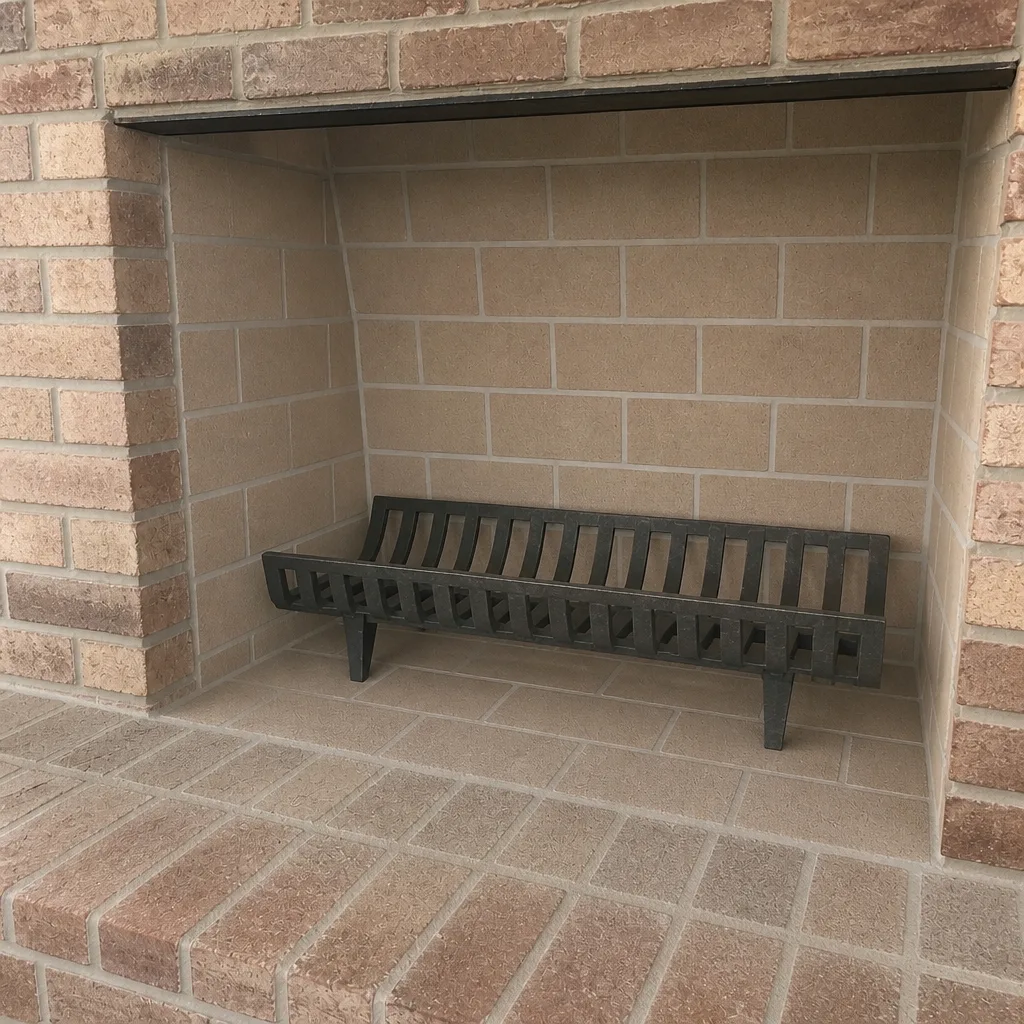
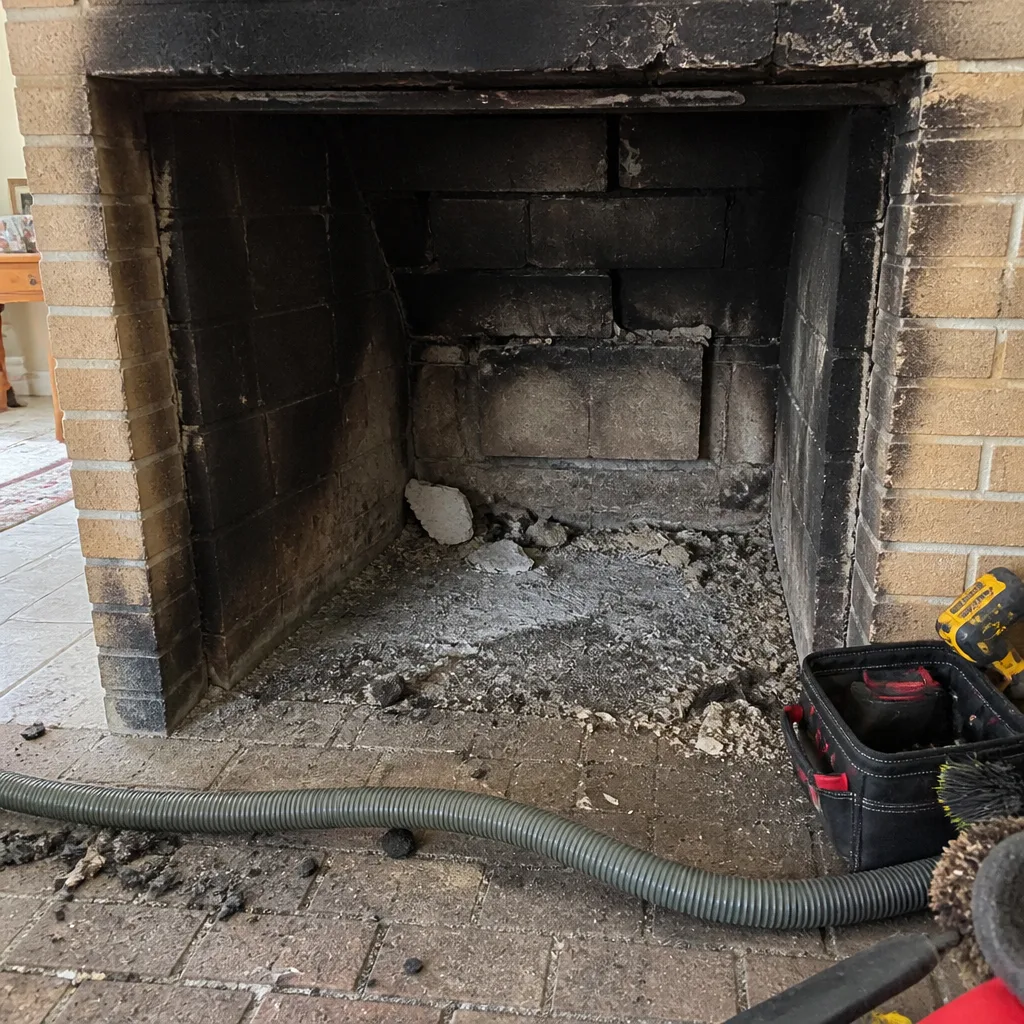
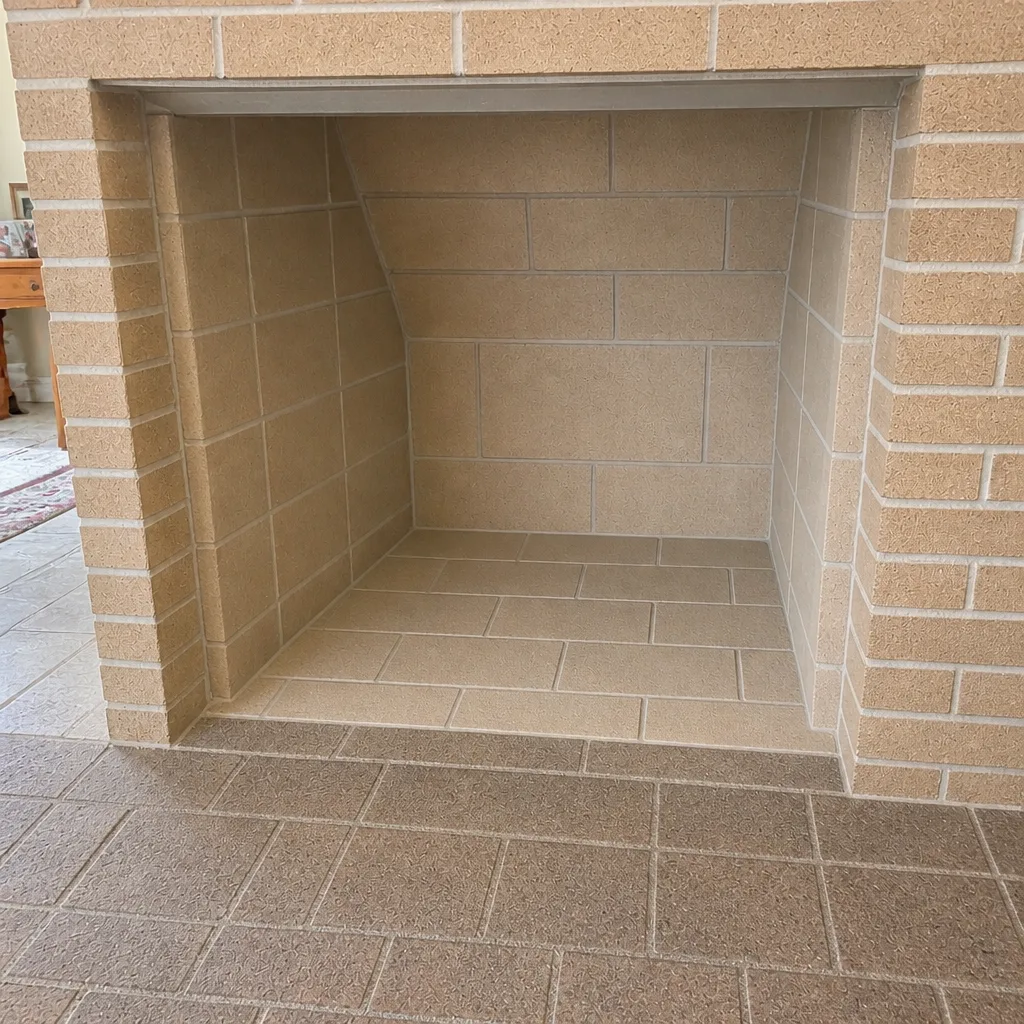
See the difference
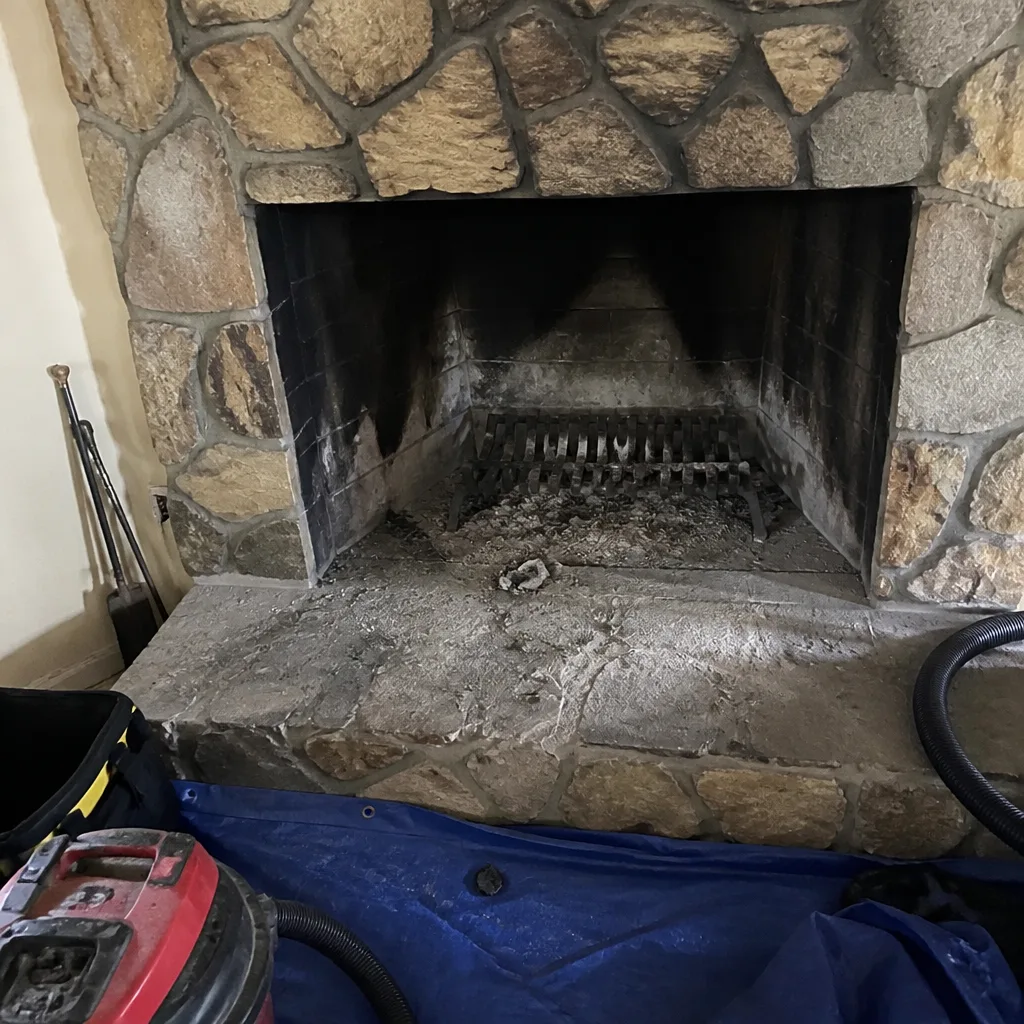 Before
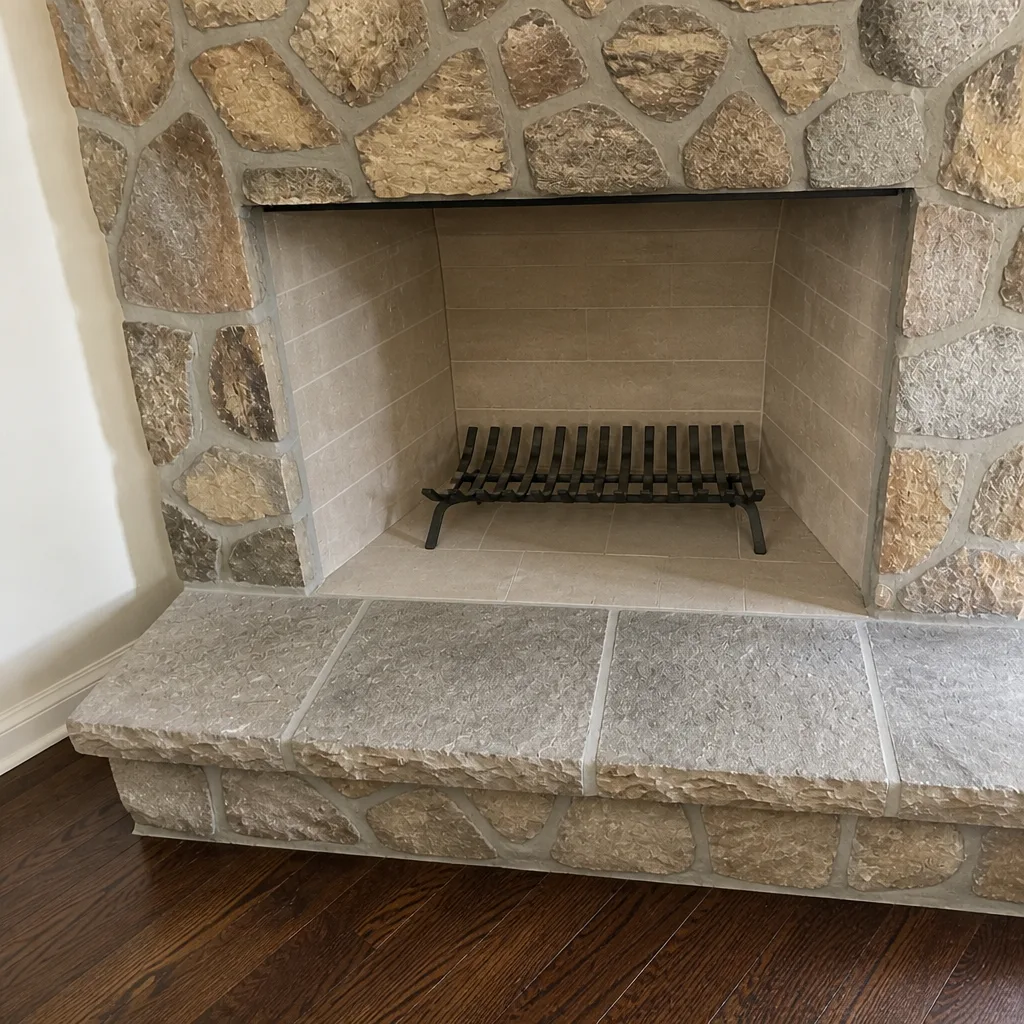 After
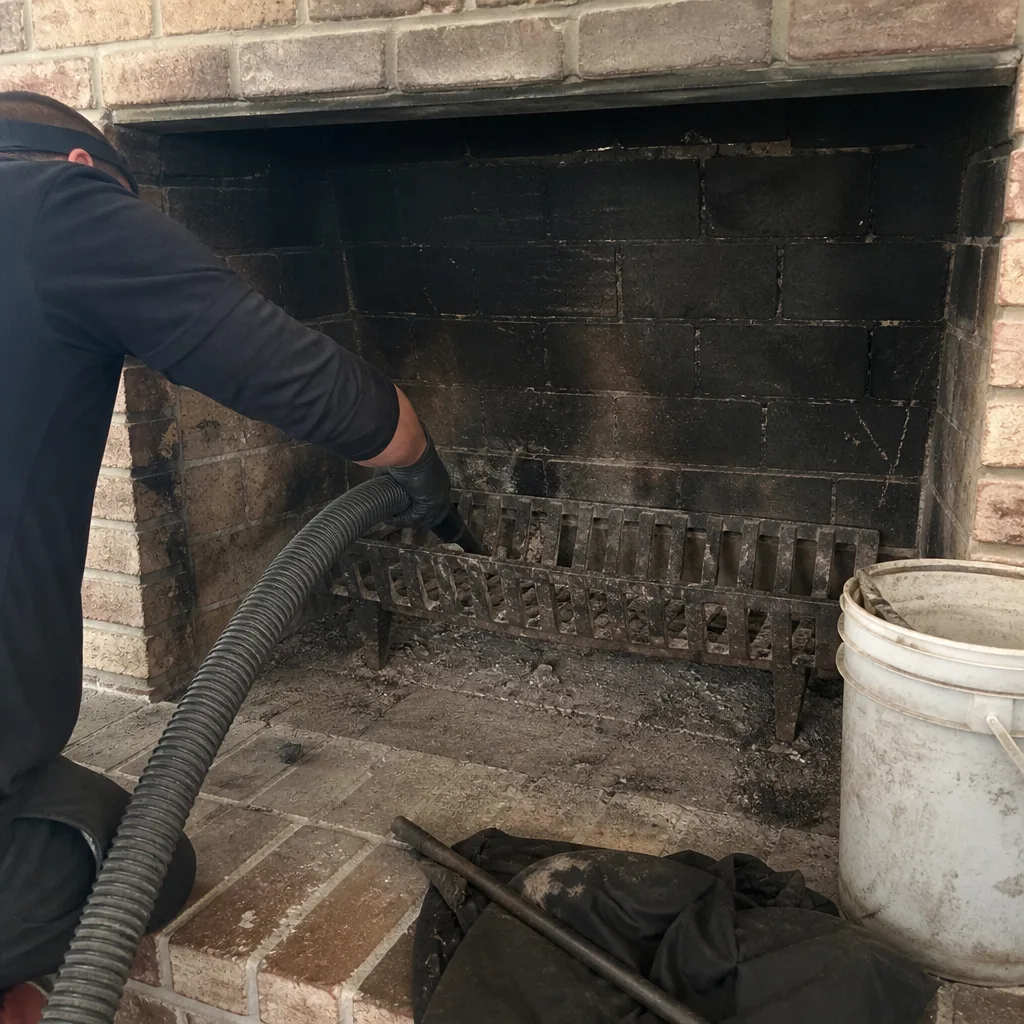 Before
 After
 Before
 After
When to Call a Professional
Call a professional when your chimney has never had an inspection, when the inspection is more than a year old, when you’ve noticed smoke, odor, or visible deterioration, or when a gas insert, prefab fireplace, or lined system is involved. Those situations put you past what a brush can do and into what a camera and a qualified eye need to evaluate. For a Palm Bay chimney with no inspection on record, that’s the honest starting point.
Sweep, inspect, and repair happen in a single visit, so if the inspection turns up something, the same crew diagnoses and documents it – you’re not scheduling a second company to come look at what the first one found. Chimney Sweep Palm Bay offers free estimates in Palm Bay – call (855) 632-3563. We answer 24/7. Fast dispatch from 7am to 7pm, Sunday through Friday. If you need work booked outside that window, a call is booked into the next opening, Sunday through Friday, 7am to 7pm. A failed fireplace on a Saturday is a call we’ll book for Sunday, not a brush pass that waits for the weekend.
Frequently Asked Questions
The price is set per job by a written estimate, and the estimate itself is free. A professional sweep includes the camera inspection and photo report, so the quote covers the cleaning plus the information about your chimney’s condition. Call (855) 632-3563 for an exact quote – estimates are free.
Only if the camera shows the liner is actually compromised. A cracked tile or an open joint that lets gases escape is a real reason to reline; a sweep asking you to buy a liner without showing you the evidence on camera is asking you to take it on faith. We document what we find, and we’ll tell you plainly if a liner can wait a season. Call (855) 632-3563 to see the evidence for yourself.
Yes for loose soot on a lightly used, professionally inspected chimney – no if the chimney has no inspection on record or shows any symptom. A brush removes soot but can’t detect a cracked liner, and in Palm Bay’s humid climate the hidden crack is the bigger concern. When in doubt, have it inspected before you clean.
You remove the soot but leave the safety check undone. A hidden liner crack or open joint stays hidden, and the clean firebox creates false confidence that the chimney is in good shape. The risk isn’t the soot you removed – it’s the damage you never saw. Call (855) 632-3563 to get the inspection on record.
Possibly – many manufacturers require professional service as a condition of warranty coverage. The manual for your insert, fireplace, or liner system is the authority, so read it before you clean. If it calls for professional maintenance, the DIY savings aren’t worth the coverage. Call (855) 632-3563 to book a professional service that fits the warranty terms.
At least once a year for the inspection, and a sweep whenever the creosote buildup or usage warrants it. In a humid climate where liner damage develops quietly, an annual inspection is the thing that catches what brushing can’t – and a Palm Bay chimney that sits unused through the mild winter should still get looked at before the season. Call (855) 632-3563 to book the annual visit.
The Bottom Line
DIY chimney cleaning has a real place: light soot removal on a chimney a professional has already cleared. It has no place as the first look at a chimney, as a substitute for the camera inspection, or as a shortcut on a gas insert or lined system under warranty. In Palm Bay, the humid climate makes the unseen liner damage the risk that matters, and no brush reaches it. Our advice is simple: get the inspection on record first, then decide what you can maintain yourself. The team at Chimney Sweep Palm Bay is ready to help – call (855) 632-3563. We answer 24/7. Fast dispatch from 7am to 7pm, Sunday through Friday.
Written by the team at Chimney Sweep Palm Bay.