
Last updated November 15, 2026
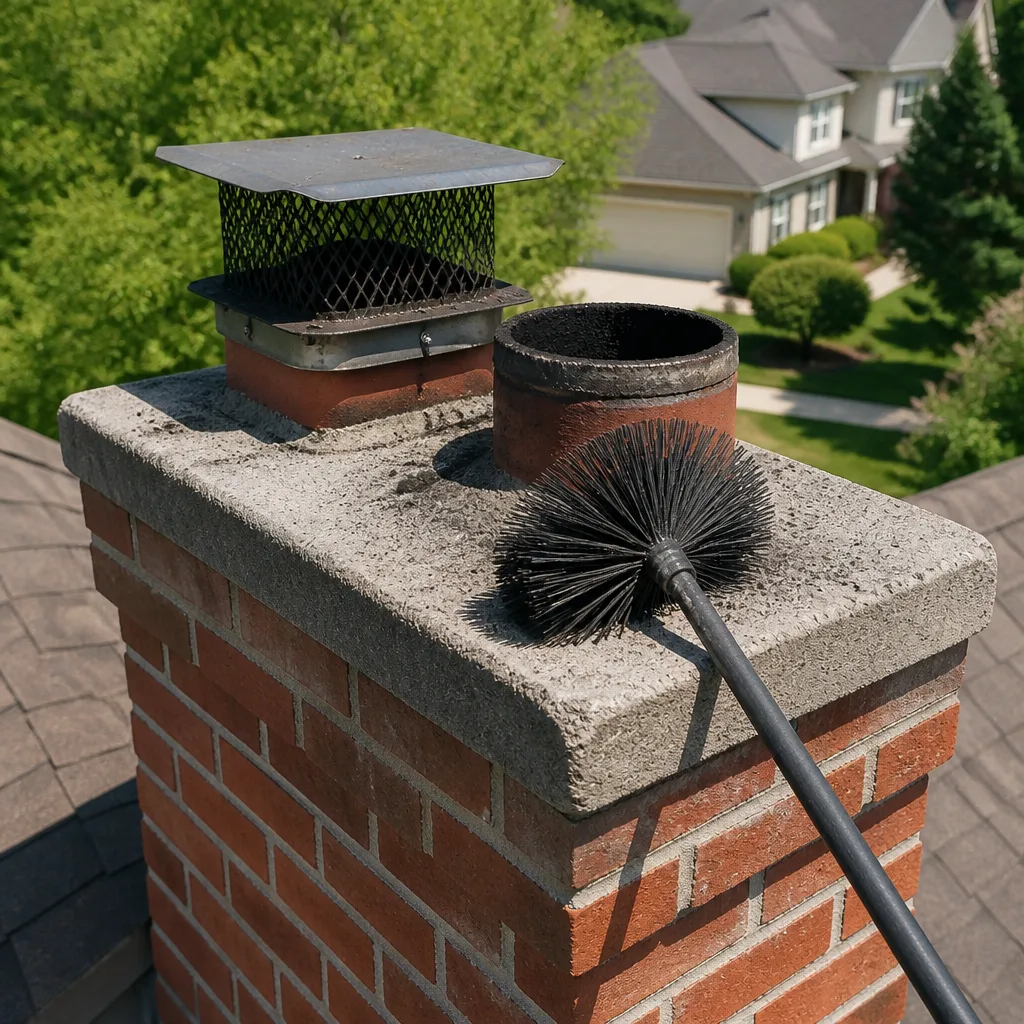 Sweep & inspection
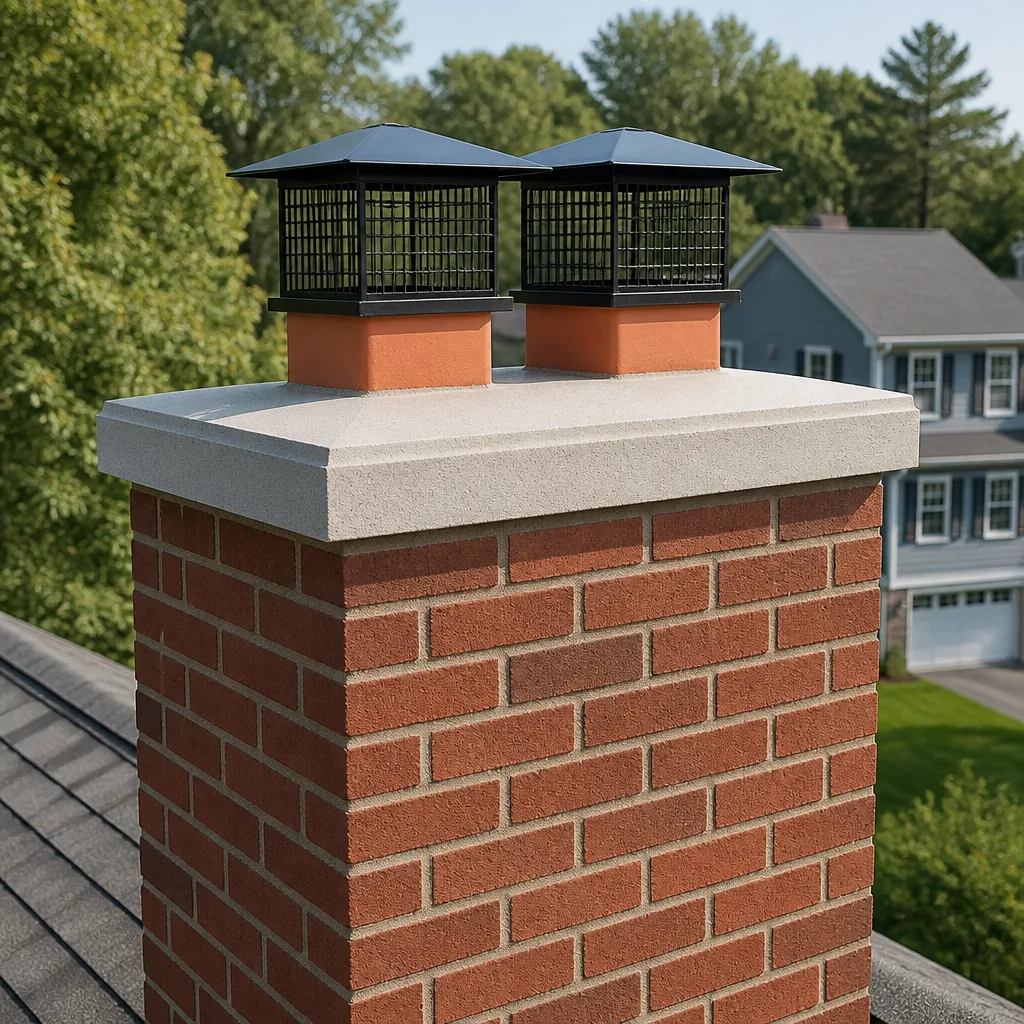 Caps & crowns
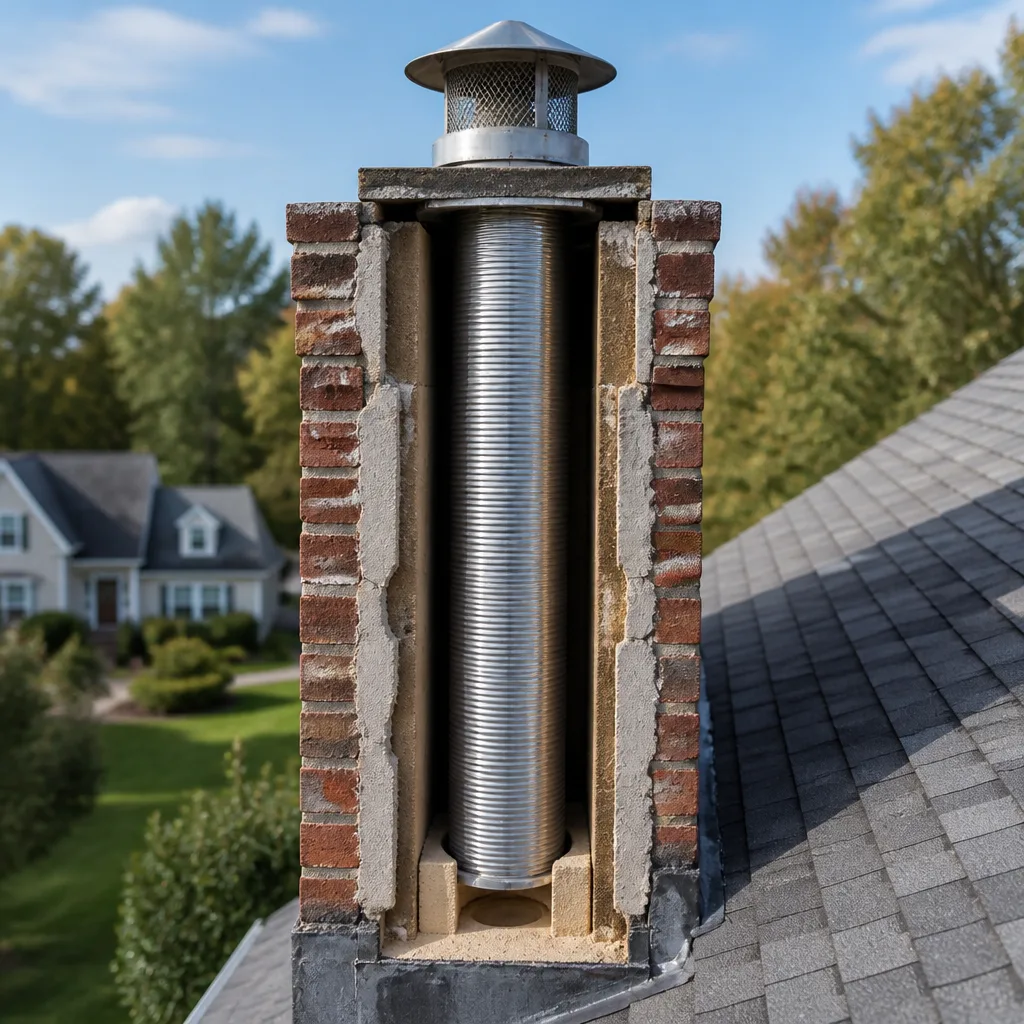 Flue relining
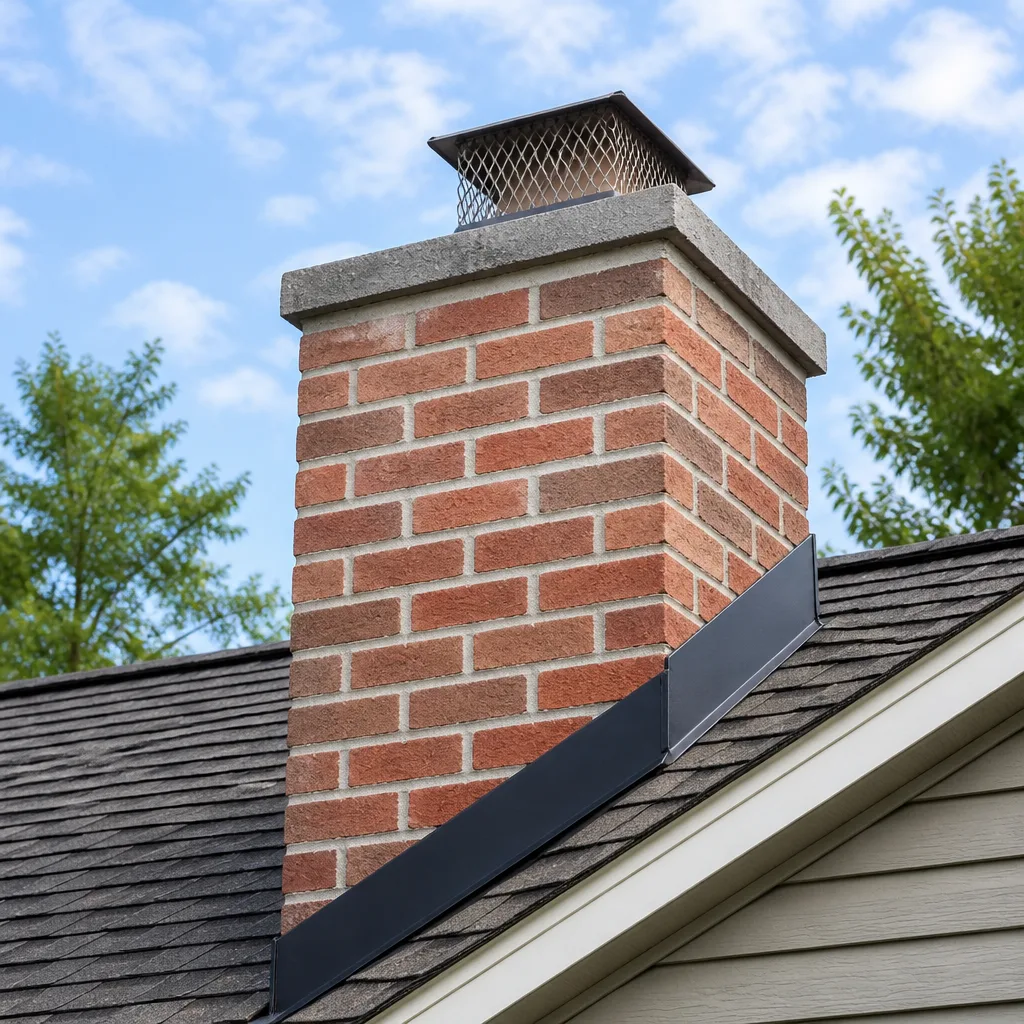 Masonry repair
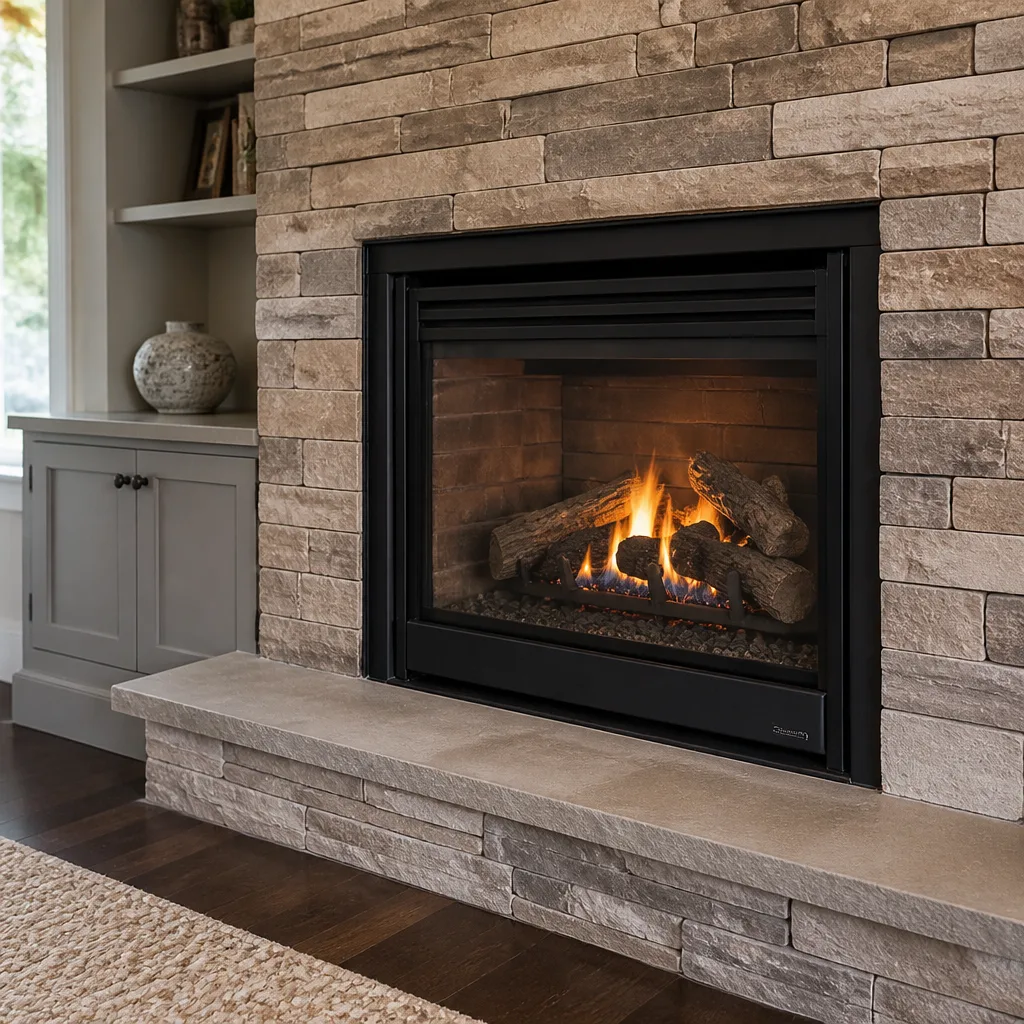 Gas fireplace service
Level 1 sweep and inspection to the NFPA 211 annual standard - flue, crown, cap, and flashing checked and photographed
Chimney sweep logs do not sweep chimneys. They loosen some creosote - which then falls where a brush and vacuum still have to collect it.
Seasonal Chimney Cleaning Care for Palm Bay: Year-Round Homeowner’s Guide
In Minnesota, you clean your chimney in October. In Palm Bay, October is exactly when you’re too late – the work needed to happen in September, before the first cold front. That single reversal shapes almost everything about chimney care here. Our calendar isn’t built around a long heating season; it’s built around three overlapping cycles that most generic chimney guides never mention: hurricane season, Florida’s wildlife nesting calendar, and a short, intense burn window that catches people off guard. This guide lays out what each cycle does to your chimney, when to act, and the four checkpoints that keep a Palm Bay fireplace working safely. Our technicians have up to 13 years of experience reading exactly these local signals.
Quick Answer
In Palm Bay, chimney care runs on four checkpoints a year: a pre-burn inspection in September, a post-burn sweep in late winter or early spring, a post-storm check after any serious wind event, and a mid-summer moisture inspection. The September inspection matters most, because it catches storm damage and blockages before the first cool night arrives. A capped flue, a photographed camera inspection, and a written report are the three things that keep the whole cycle honest.
Styles & brands we work with
- Sweep & inspection
- Caps & crowns
- Flue relining
- Masonry repair
- Gas fireplace service
Table of Contents
- Why Palm Bay’s Chimney Calendar Is Different
- The September Window: Why It’s the Most Important Inspection of the Year
- What Storm Winds Do to Caps, Crowns, and Flashings
- The Spring Nesting Window: What Can Legally Move In
- How Florida Humidity Attacks a Chimney You Aren’t Using
- The Four-Checkpoint Annual Cycle
- Creosote in a Short Burn Season: What Builds Up
- When a Sweep Turns Into a Repair Visit
Why Palm Bay’s Chimney Calendar Is Different
Most chimney advice is written for places with a six-month winter. In Palm Bay, the burn season is compressed into a few cool months, often starting with a cold front somewhere in November or December and tapering off in February or March. That means the flue sits idle for most of the year, and idleness is its own kind of wear.
The year breaks into three overlapping cycles, and each one stresses a different part of the system:
- Hurricane season. Winds, wind-driven rain, and airborne debris test caps, crowns, flashings, and masonry. This runs through the warm months.
- Nesting season. From roughly March through May, chimney swifts and other protected birds look for open flues. An uncapped chimney is exactly the kind of cavity they’re after.
- The burn window. A short, intense stretch when the fireplace actually gets used, which is when creosote accumulates and when any hidden damage becomes a real safety concern.
Those three cycles don’t line up neatly. Hurricane season overlaps nesting season. Nesting season ends just as the humidity peak sets in. The burn window arrives right after the rains taper off. That’s why a single annual sweep in the fall doesn’t cover a Palm Bay chimney the way it covers one in a colder climate. You need checkpoints scattered across the year, not one appointment circled on a calendar.
If you’d rather start with the basics of what a visit involves, our Chimney Sweep Palm Bay overview covers the services themselves. This guide is about the timing around them. When we talk about scheduling a sweep, we mean a booked appointment – the urgency in Palm Bay is seasonal, tied to the first cold front, not to the hour.
The September Window: Why It’s the Most Important Inspection of the Year
September is the single most valuable inspection window on the Palm Bay calendar. By then, the heaviest months of storm season are behind you, and the first cool nights are still weeks away. That gap is the only point in the year when you can find storm damage, clear out summer debris, and confirm the flue is sound before anyone lights a fire.
Why wait until September rather than inspecting in, say, June? Because the findings change. A cap that survived an early-summer storm may not survive a late-August one. An inspection done in June can be out of date by the time the burn window opens. Sitting down with a flashlight in September gives you a picture that’s still accurate in December.
A worthwhile September visit does several things:
- Camera inspection of the flue. A camera run down the flue shows the condition of the tile liner, any gaps, and any obstruction. You should see this footage yourself, not just hear about it.
- Cap and crown check. From the ground you can’t see whether the cap is loose, the crown is cracked, or the flashing has pulled free. Someone needs to be up there.
- Debris and nest removal. Summer storms drop leaves, twigs, and sometimes worse into the flue. A blocked flue doesn’t vent correctly, and that’s a safety issue, not a draft complaint.
- Moisture assessment. Years of humidity and rain leave their mark on masonry. September is the right time to spot it and decide whether a repair can wait until spring.
- A written report with photos. You should leave the inspection holding documentation of what was found, what can wait, and what shouldn’t.
This is where the inspection-first approach pays off. Nothing gets recommended without camera evidence you can see for yourself, and we’ll tell you plainly when a repair can safely wait until the weather turns. A September inspection that finds a healthy chimney and recommends nothing is a good result, not a wasted visit.
What Storm Winds Do to Caps, Crowns, and Flashings
Storm winds do their damage to the parts of your chimney you can’t see from the driveway. The flue itself is usually the last thing to fail. The cap, the crown, and the flashing fail first, and they fail quietly.
The cap is the lid over the flue. It keeps rain out and animals out. Strong wind can lift it, bend it, or tear it loose at the fasteners. A partially detached cap still looks fine from the ground, but it no longer seals, and a gap under a cap is an open door for water and wildlife. Famco and Gelco caps are the kind of professional-grade components that hold up better than whatever generic lid happened to be up there, and replacing a damaged cap is one of the simplest repairs that protects everything below it.
The crown is the concrete or masonry slab at the top that sheds water away from the flue. When a crown develops a hairline crack, water runs into it instead of off it. Each storm widens the crack. A cracked crown is one of the most common findings on older Palm Bay homes, and it’s usually invisible unless someone climbs up to look.
The flashing is the metal collar where the chimney meets the roof. Wind-driven rain works at the seams. When flashing pulls loose, water gets behind it and into the roof deck, and the damage shows up inside the house long after the storm that started it.
After a significant wind event, a post-storm check is worth scheduling, even if you can’t see a problem. A camera inspection and a roof-level look confirm whether the storm left anything behind. If it did, we handle chimney repair on the same visit that finds it, so you’re not waiting for a second company to come out and diagnose the same problem.
The Spring Nesting Window: What Can Legally Move In
From roughly March through May, chimney swifts and other protected birds search for open, uncapped flues to nest in. If your chimney has no cap, an occupied flue isn’t a hypothetical – it’s a legal fact you have to work around, because many of these species are protected and can’t simply be removed at your convenience.
What this means in practice:
- A nesting chimney can’t be swept while it’s occupied. The birds and their nests are protected, and work has to wait until the young have fledged and the nest is abandoned. That can push your cleaning into summer, which is exactly when you don’t want to be catching up on maintenance.
- A cap is the prevention. The simplest fix is to make sure the flue is capped before the nesting window opens. A properly installed cap keeps birds out without harming them. Copperfield and Gelco caps are the kind of professional-grade products that seal the flue and last.
- Early spring is the time to check. A March inspection confirms your cap is intact before the birds start looking. Waiting until May means you may already be sharing the chimney.
The practical takeaway: if your chimney is uncapped, capping it before March solves a problem you’d otherwise spend the summer managing. It’s one of the few chimney improvements that pays for itself in avoided hassle. We install caps and work with the brands the trade relies on, so the cap is rated for the job rather than being an anonymous piece of metal.
How Florida Humidity Attacks a Chimney You Aren’t Using
A chimney you don’t light for months is still a chimney that’s working against you. Florida’s humidity keeps moisture in the masonry year-round, and a chimney that’s cold and damp for most of the year is a chimney that’s slowly degrading.
Here’s how it happens. Masonry is porous. It absorbs moisture from humid air and from rain that finds its way past a cracked crown or a loose cap. That moisture migrates through the brick and mortar, and over time it causes spalling – the surface of the brick flakes off – and efflorescence, the white staining that signals water moving through the masonry. Neither is visible from the ground, and both get worse while the fireplace sits idle.
There’s a second moisture problem inside the flue. When a flue is damp and unused, the interior stays cool and wet. That’s the environment where a liner’s condition matters most. A cracked flue tile lets moisture past the liner and into the surrounding structure, and the damage compounds silently between burn seasons. This is why the mid-summer moisture check matters in Palm Bay even though nobody’s lighting a fire in July.
The fix isn’t dramatic. A capped, well-sealed chimney with an intact crown sheds water the way it should. The point is to find the crack, the loose flashing, or the failing seal before years of humidity have done structural damage. A mid-summer inspection is cheap compared to rebuilding a chimney crown or replacing a flue liner, and it’s the checkpoint most homeowners skip because the fireplace isn’t in use.
The Four-Checkpoint Annual Cycle
Four checkpoints, spread across the year, cover the three overlapping cycles. If you remember nothing else from this guide, remember this cycle.
- Pre-burn inspection (September). The most important visit of the year. Camera inspection, cap and crown check, debris and nest removal, moisture assessment, and a written report with photos. Do it before the first cold front.
- Post-burn sweep (late February or March). Once the burn window closes, sweep out the creosote that accumulated during use. This is also the ideal time to confirm the cap is intact before the nesting window opens.
- Post-storm check (after any serious wind event). A camera inspection and roof-level look confirm whether the cap, crown, or flashing took a hit. Schedule it soon after the storm, while you can still see the damage clearly.
- Mid-summer moisture check (June or July). Look for spalling, efflorescence, and signs of moisture intrusion in the masonry, plus the condition of the liner. This is the quiet checkpoint that catches slow damage before it turns into a repair.
Not every checkpoint needs a full sweep. Some are inspections, some are cleanings, some are just a look to confirm nothing has changed. The value is in the rhythm: you’re never more than a few months from someone confirming your chimney is healthy. A homeowner in Palm Bay who follows this cycle gets a documented picture of a year in the life of their chimney, and that documentation is what turns “the contractor says it needs work” into something you can verify for yourself.
If you’re in Palm Bay and want to set that cycle up, the simplest starting point is booking the September inspection now rather than waiting until the weather changes.
Creosote in a Short Burn Season: What Builds Up
A short burn season doesn’t mean a small creosote problem. In some ways it can mean the opposite, because what builds up depends on how the fire burns, not just how often. A fireplace used occasionally, often with green or unseasoned wood, and sometimes with a flue that’s not fully warmed before the fire settles in, produces the type of creosote that’s hardest to remove.
There are three broad stages of creosote, and they matter because each requires a different cleaning approach:
- Soft, sooty creosote. The easiest to brush away. Typically the product of reasonably complete combustion.
- Hard, crusty creosote. Forms when fires burn cooler and smokier. Brushing helps less; it often needs a different technique.
- Glazed creosote. The most concerning stage. It’s dense and stick-like, and it’s the kind that doesn’t come off with an ordinary brush. It can require specialized removal, and it’s a strong signal that the flue needs evaluating for a possible relining.
The point isn’t to scare anyone. It’s that the sweep itself is where the diagnosis happens. A technician sweeping a Palm Bay chimney learns as much from what comes out of the flue as from what the camera shows going up it. If the creosote is glazed, or the tile liner behind it is cracked, the honest recommendation may be a reline. That’s where a full-service specialist matters: DuraFlex flexible liner systems are part of our toolkit, and HeatShield resurfacing is what we use to restore a firebox or flue tile that’s worn but not beyond saving. A generalist with a brush and a vacuum can’t take that next step, and you’d be scheduling a second company for the actual repair.
When a Sweep Turns Into a Repair Visit
The best chimney visits involve cleaning and inspection together, because that’s when problems get caught early. But some inspections turn up work that really does need doing. The honest question for a homeowner is always the same: how do I know this repair is real and not an upsell?
The answer is documentation. A camera inspection shows you the flue as it actually is. A written report with photos gives you something to compare year to year. When we recommend a repair, we can show you the evidence – the crack, the gap, the glazed creosote – and if a repair can safely wait until spring, we’ll say so. That’s the standard we hold to, and it’s the reason the inspection-first model works.
When repairs do make sense, they cover the whole chimney system, not just one part:
- Caps and dampers. Damaged caps, wildlife guards, and top-sealing dampers, sourced from professional brands like Copperfield and Gelco.
- Crowns and flashing. Repair or replacement of the crown and the flashing that shed water away from the flue and roof.
- Firebox and flue tile restoration. HeatShield is a ceramic resurfacing system used to restore a worn firebox or flue tile. It’s the kind of specialist application that most generalist handymen don’t stock or know how to apply correctly.
- Full relining. When the original tile liner is beyond repair, DuraFlex flexible liner systems provide a new, properly sized flue.
Our technicians have up to 13 years of experience, and the same team that inspects handles the repair. That single-point accountability matters: the findings don’t get handed off to someone else’s diagnosis. If you want to understand what a chimney sweep includes versus what a repair visit involves, the difference is usually just what the camera finds.
Common Mistakes to Avoid
- Waiting until the first cold front to call. In Palm Bay, that’s exactly when you’re too late. The inspection that matters happens in September, before the weather changes and before scheduling fills up.
- Leaving the flue uncapped through spring. March through May is the nesting window. An uncapped chimney can legally fill with protected birds, and then the sweep has to wait until they’ve fledged.
- Assuming a chimney is fine because it looks fine from the ground. Caps, crowns, and flashings fail out of sight. Wind damage isn’t visible from the driveway, which is why a post-storm check and a camera inspection exist.
- Skipping the mid-summer moisture check. Florida humidity works on masonry year-round, and the fireplace being off doesn’t stop it. Spalling and efflorescence are easy to catch early and expensive to fix late.
- Accepting a repair recommendation without seeing the evidence. If a technician can’t show you the camera footage or the photos behind a recommended repair, ask to see them. You’re entitled to know what was actually found.
- Treating the sweep as a one-time event. A chimney is a system with four checkpoints across the year. Sweeping once and forgetting isn’t the same as maintaining it.
- Letting a generalist handle a specialist repair. Firebox and flue-tile restoration, relining, and cap and damper work all benefit from a specialist with the right product lines and experience. A generalist with generic parts can leave you with a repair that doesn’t hold.
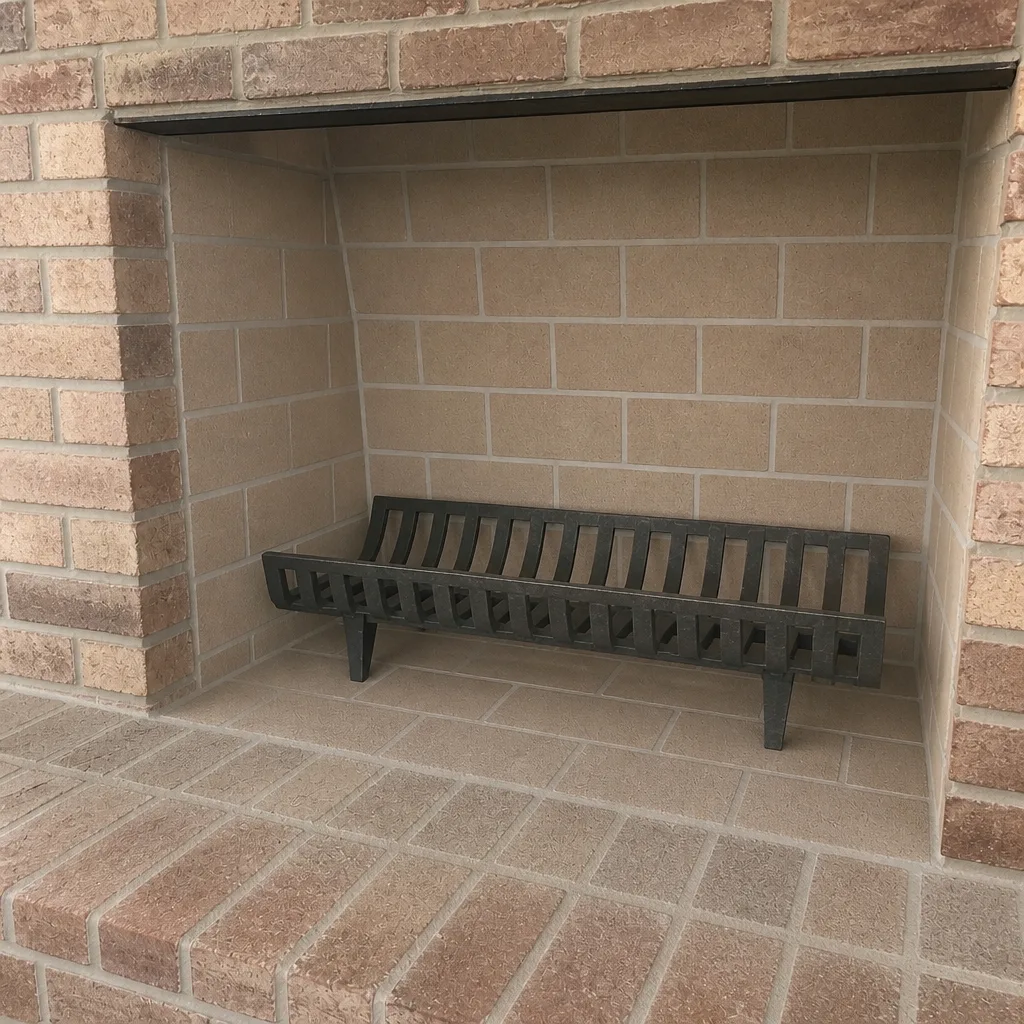
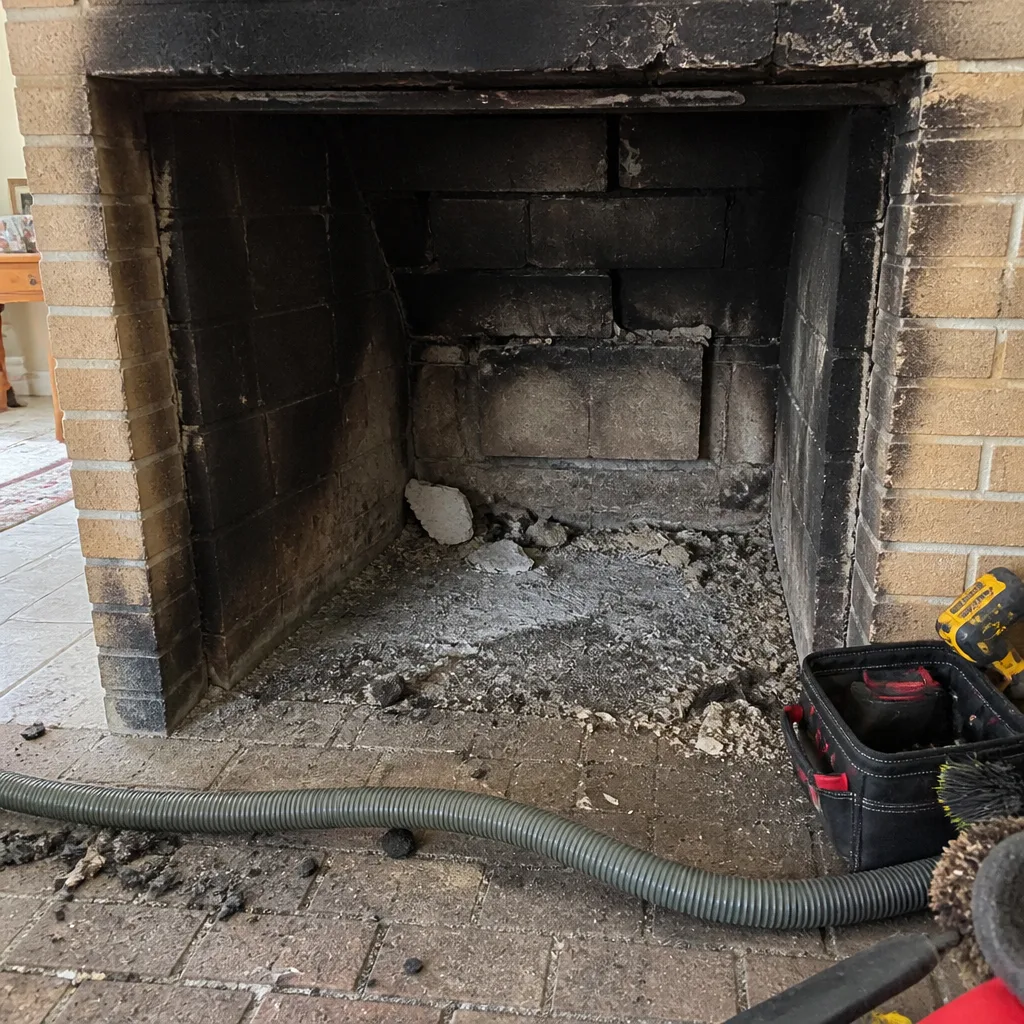
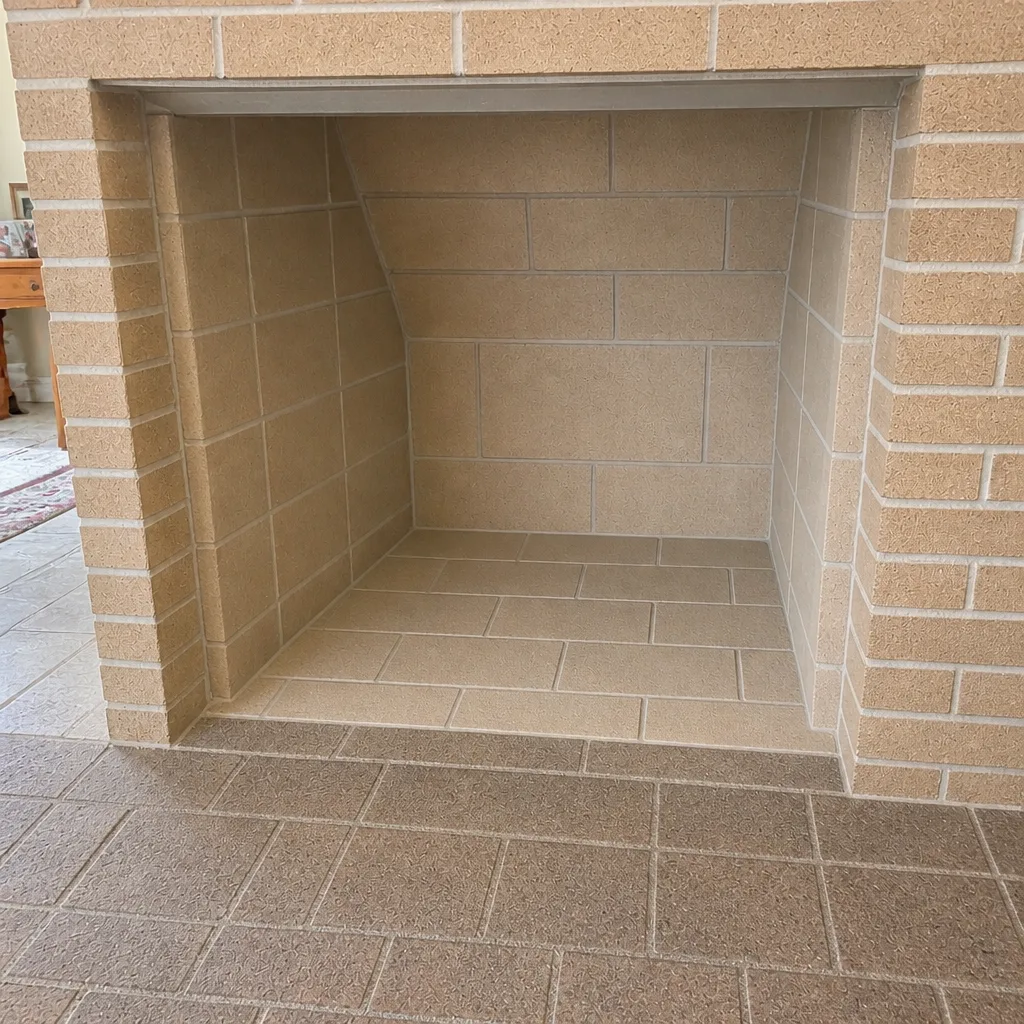
See the difference
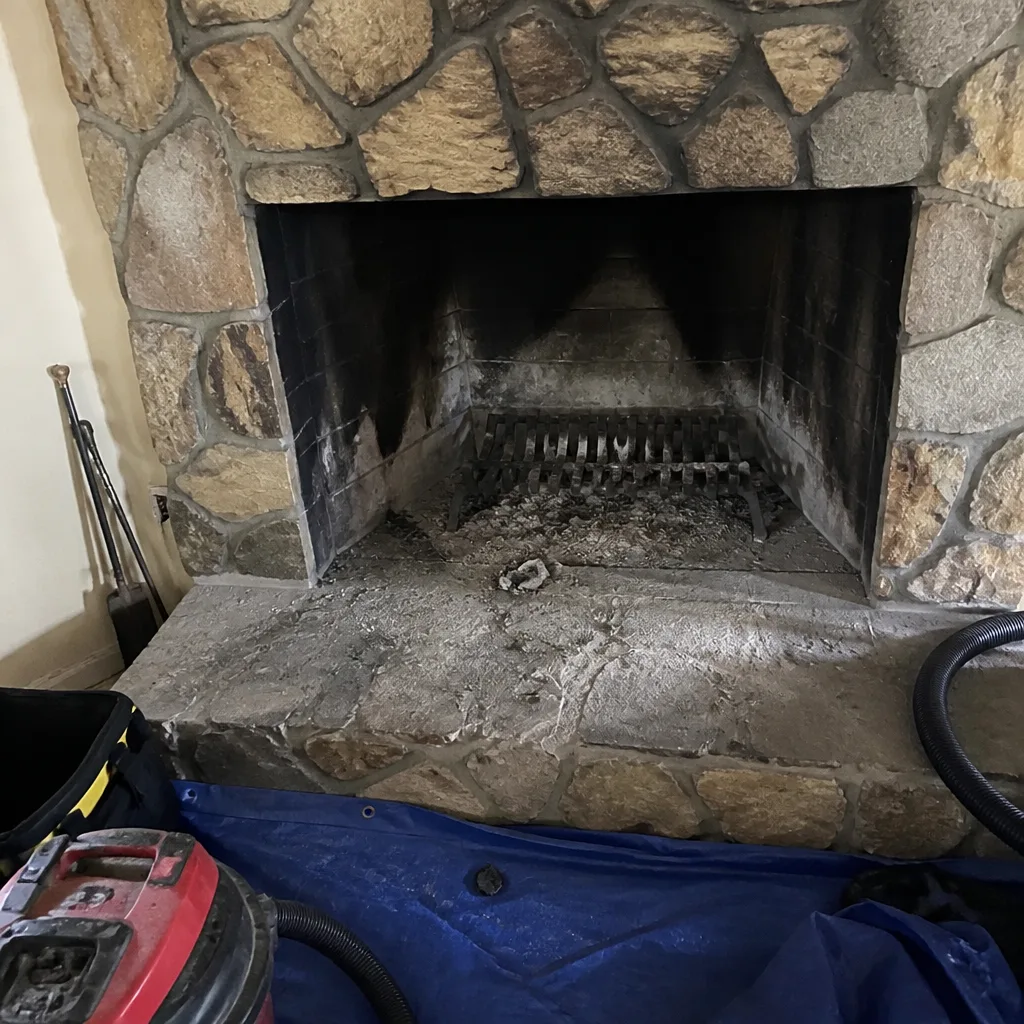 Before
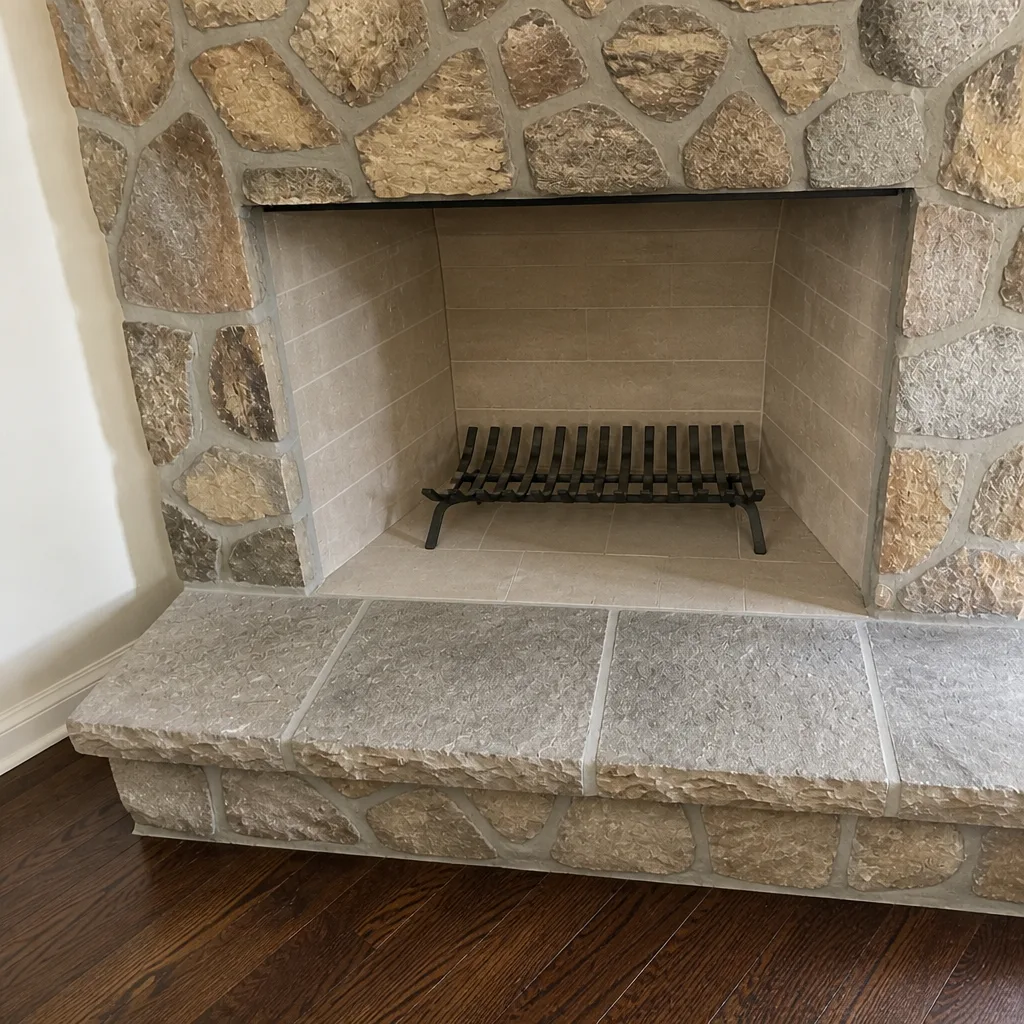 After
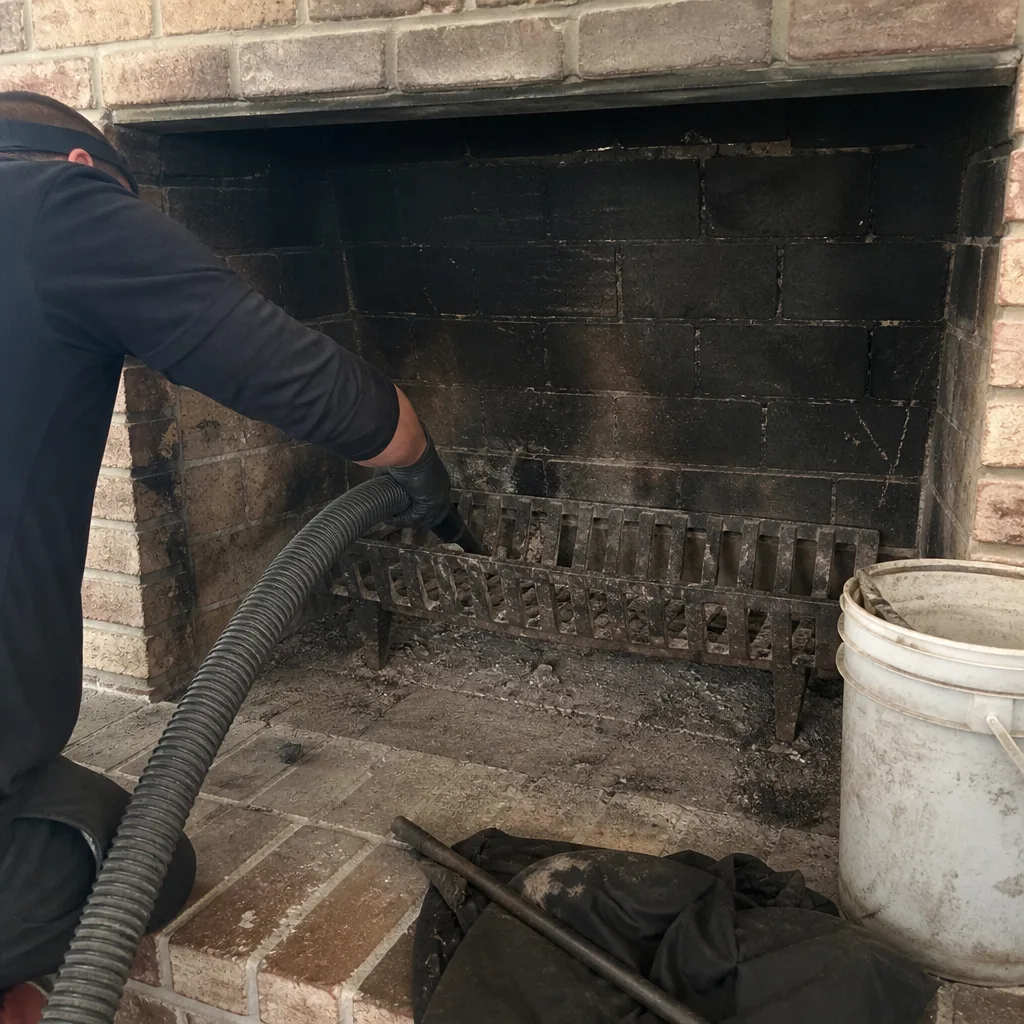 Before
 After
 Before
 After
When to Call a Professional
Call a professional when you haven’t had an inspection in over a year, especially if you’re in a home that’s new to you. Call after any serious wind event, even if nothing looks wrong. Call if you notice smoke backing into the room, a persistent odor, or visible deterioration on the masonry. Call before the March nesting window if your flue is uncapped, and call in September if you haven’t already. Some of these are safety calls, not cosmetic ones: a blocked flue or a damaged liner affects how the fireplace vents, and that’s not something to sort out by trial and error. None of the work we recommend starts without camera evidence you can see, and we’ll tell you honestly when something can wait.
Chimney Sweep Palm Bay offers free estimates in Palm Bay – call (855) 632-3563. We answer 24/7. Fast dispatch from 7am to 7pm, Sunday through Friday. The written estimate sets the price, and there’s no charge for the estimate itself.
Frequently Asked Questions
A chimney sweep in Palm Bay is priced per job by a written estimate, so the exact figure depends on the flue, the creosote type, and whether the visit is a cleaning or an inspection. We don’t quote a flat number before seeing the chimney. We give a written estimate up front, so you know the price before any work begins, and the estimate itself is free. For an exact quote on your chimney, call (855) 632-3563 and we’ll set it up.
Once a year at minimum, plus a post-storm check after any serious wind event. In Palm Bay the annual inspection is best placed in September, before the first cold front, with a post-burn sweep in late winter or early spring and a mid-summer moisture check in June or July. Following the four-checkpoint cycle means you’re never far from a professional confirming the chimney is healthy. Call (855) 632-3563 to book the next checkpoint on your calendar.
Only if a camera inspection shows the existing liner is cracked, gaping, or otherwise failing to contain what moves through the flue. A damaged liner lets heat and moisture past it and into the structure, which is a safety and durability concern, but it’s not a decision to make on someone’s word alone. Ask to see the camera footage. We recommend a liner only when the evidence supports it, and we use DuraFlex flexible liner systems for the replacement. If your liner is sound, we say so. Call (855) 632-3563 for an inspection and a straight answer.
Creosote accumulates, and in a humid climate the masonry takes on moisture it can’t readily shed, which leads to spalling and efflorescence. A cap or crown that fails goes unnoticed, and water gets in. The fireplace may still light, but the flue’s ability to vent safely degrades quietly. The reason to keep up maintenance is that the early problems are cheap to fix and the late ones aren’t. Call (855) 632-3563 and we’ll inspect what’s actually going on.
Basic brushing is something a careful homeowner can do, but it doesn’t replace an inspection. The camera run, the roof-level cap and crown check, and the moisture assessment are the parts that catch real problems, and they require the right equipment and someone who can safely get to the top of the chimney. A sweep that only brushes the flue can miss a cracked crown or a failing liner. If you want documentation of what’s actually going on with your chimney, call (855) 632-3563 for a full inspection.
September is the single best month, because it’s after the worst of storm season and before the first cold front. A post-burn sweep fits naturally in late winter or early spring, and the mid-summer moisture check catches humidity damage during the months the fireplace is idle. Booking the September inspection early matters, because that’s the window everyone needs. Call (855) 632-3563 to get on the calendar.
The Bottom Line
Palm Bay’s chimney calendar isn’t a copy of the northern one. Three overlapping cycles – hurricane season, the nesting window, and a compressed burn season – mean the year needs four checkpoints, not one. The September inspection is the most important, because it catches storm damage and blockages before anyone lights a fire. The spring cap check prevents a protected-species problem. The mid-summer moisture check catches humidity damage while it’s still cheap to fix. And every checkpoint should end with documentation you can see for yourself: camera footage, photos, and a written report. That’s what separates a real inspection from a guess. When the chimney does need repair, a specialist with the right product lines and the same team doing the work is what keeps the whole system sound.
If you’re ready to put the cycle in place, call (855) 632-3563 for a free estimate. We answer 24/7. Fast dispatch from 7am to 7pm, Sunday through Friday. We’re closed Saturday. A call outside dispatch hours is booked into the next opening, Sunday through Friday, 7am to 7pm.
Written by the team at Chimney Sweep Palm Bay.