
Last updated November 15, 2026
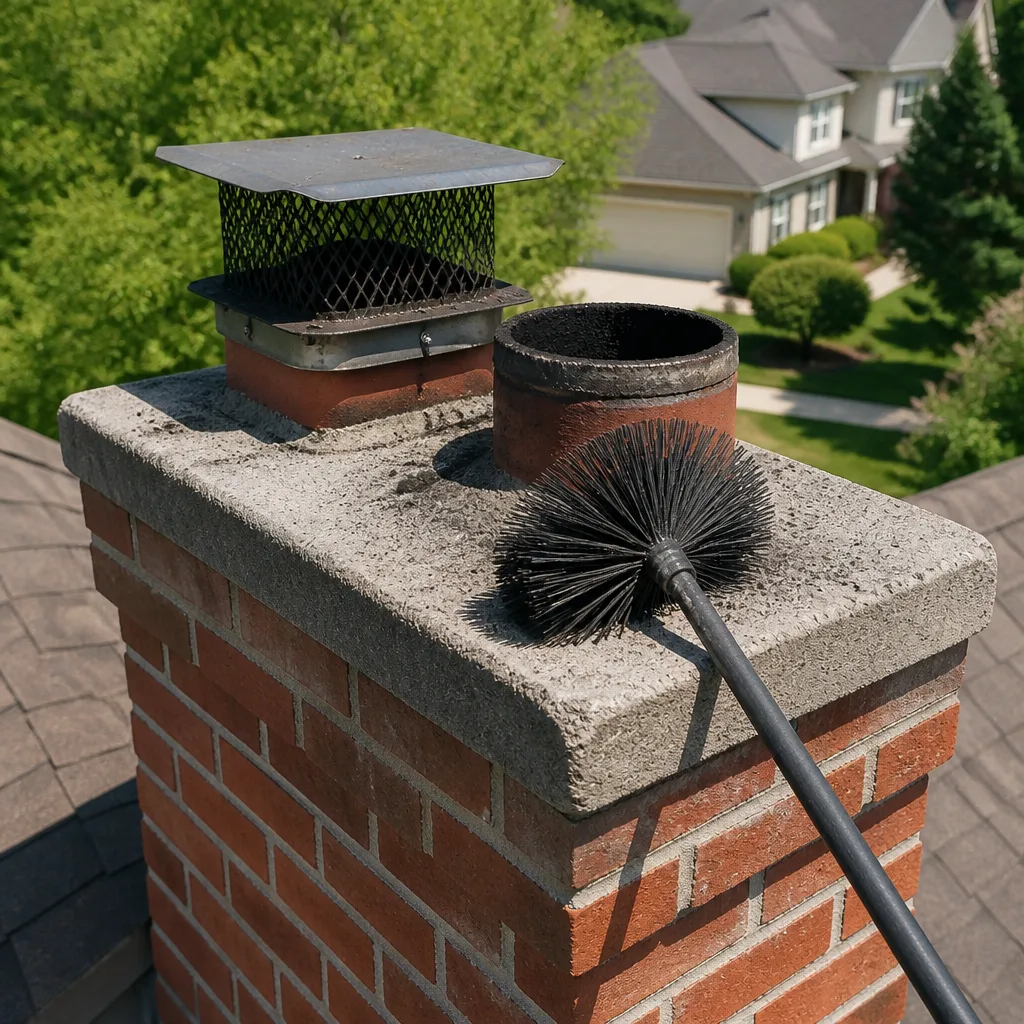 Sweep & inspection
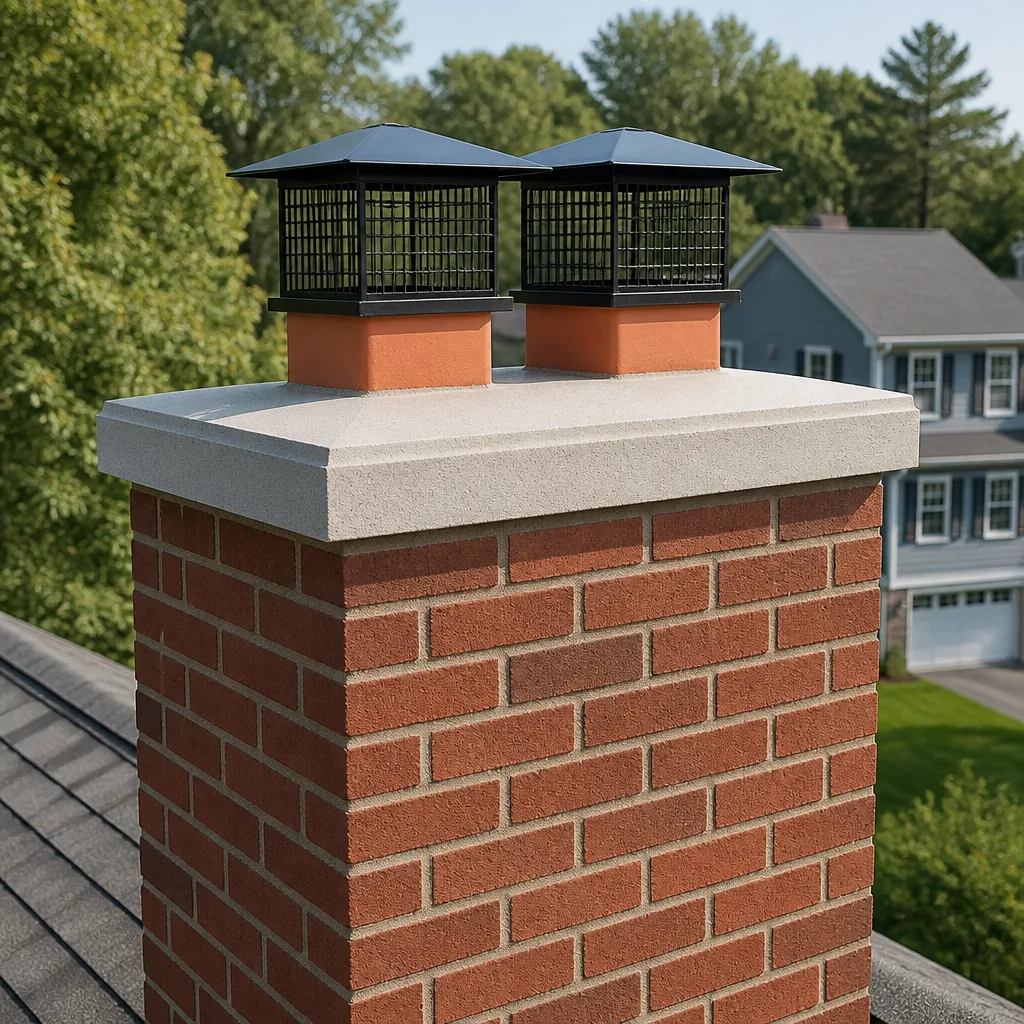 Caps & crowns
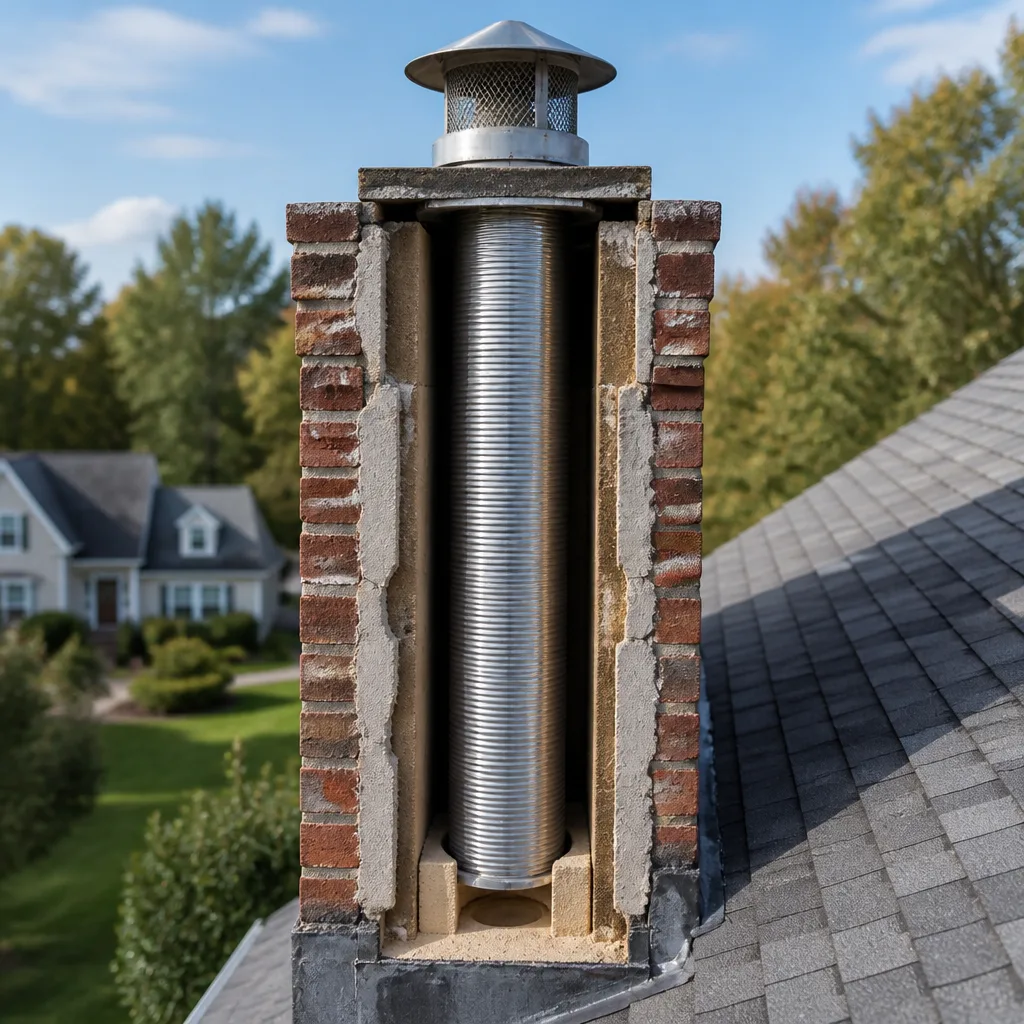 Flue relining
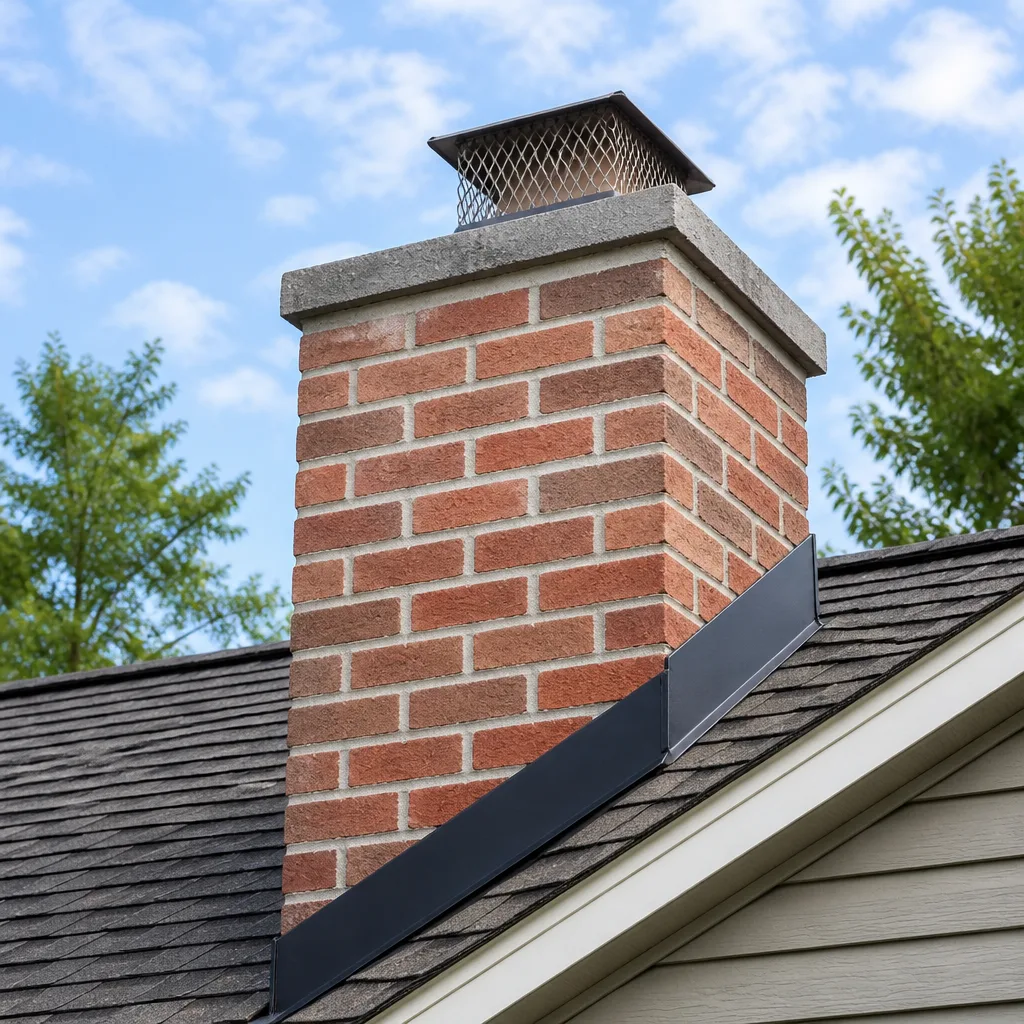 Masonry repair
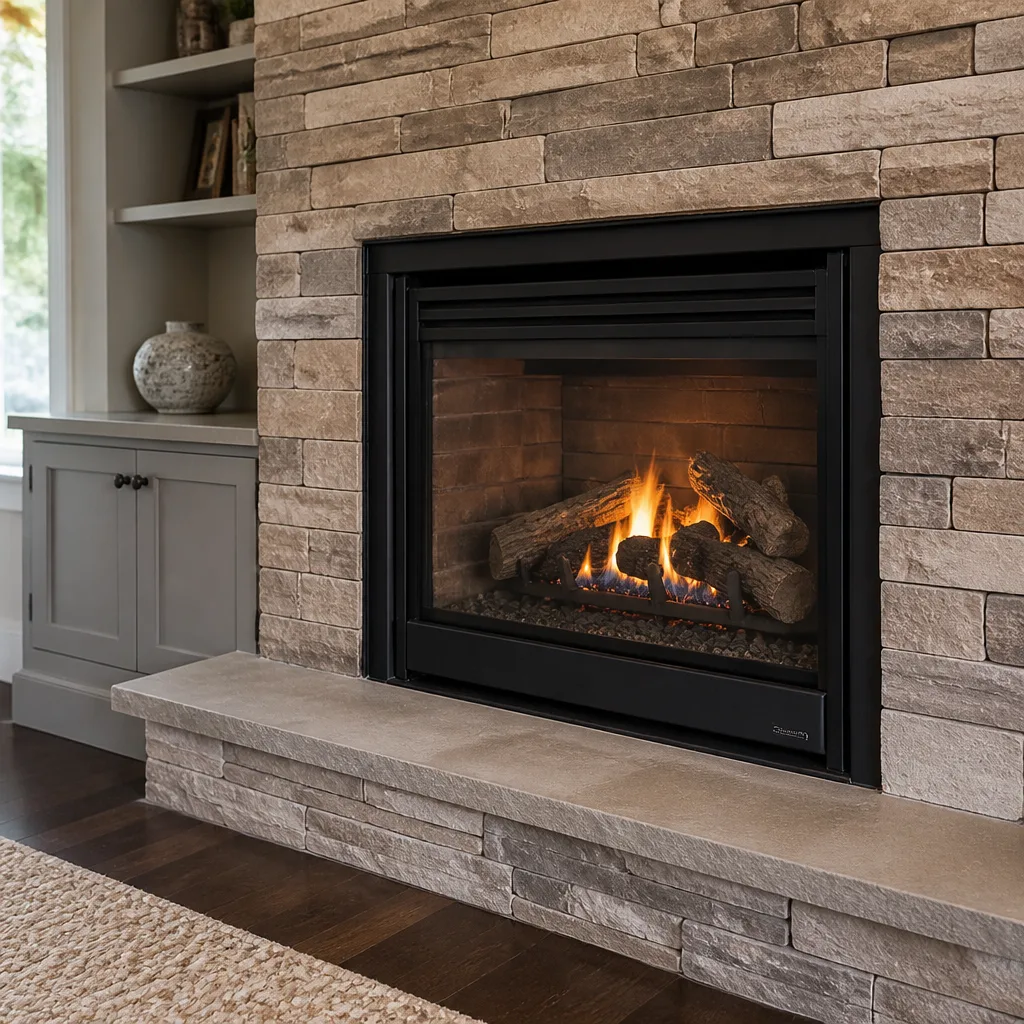 Gas fireplace service
Level 1 sweep and inspection to the NFPA 211 annual standard - flue, crown, cap, and flashing checked and photographed
Chimney sweep logs do not sweep chimneys. They loosen some creosote - which then falls where a brush and vacuum still have to collect it.
How to Hire a Chimney Cleaning Contractor in Palm Bay: A Step-by-Step Guide
There is no Florida state license specifically for chimney sweeps. That single fact changes how you should shop for one in Palm Bay. Anyone with a ladder, a brush, and a magnetic sign on the truck can legally advertise chimney cleaning here, which means the logo on a website tells you almost nothing about whether the person climbing onto your roof knows what a proper flue assessment looks like. The gap between a trained specialist and a general handyman running a brush down a flue only becomes obvious after something goes wrong, and by then you’ve already paid. This guide gives you a vetting process you can actually run: what certification verifies and how to confirm it yourself, which questions separate knowledge from rehearsed sales talk, and how to read a quote so you’re comparing the same job.
Quick Answer
To hire a chimney cleaning contractor in Palm Bay, verify current certification on the credential database rather than trusting a badge image, confirm the contractor performs sweeping, inspection, and repair so one crew is accountable for what they find, and insist on a camera inspection with visual evidence before agreeing to any repair. Compare written quotes line by line for scope, not just the bottom-line number, and ask what material specifications they work to. A contractor who can answer all of that clearly, and who shows you what they found instead of telling you, is worth booking.
Styles & brands we work with
- Sweep & inspection
- Caps & crowns
- Flue relining
- Masonry repair
- Gas fireplace service
Table of Contents
- Why There’s No Chimney License in Florida, and What Replaces It
- Step 1: Verify Certification, Not Just the Logo
- Step 2: Look for One Crew That Sweeps, Inspects, and Repairs
- Step 3: Demand a Camera Inspection With Evidence
- Step 4: Spot Florida-Specific Red Flags
- Step 5: Compare Quotes by Scope, Not Price
- Step 6: Ask Questions That Reveal Local Knowledge
- Step 7: Get the Terms in Writing
Why There’s No Chimney License in Florida, and What Replaces It
Florida doesn’t issue a chimney sweep license. There’s no state board, no exam, no continuing education requirement, and no registry you can search to confirm the person on your roof is qualified. Contractors who handle chimney work typically operate under general contracting rules, and a general contractor’s license doesn’t test chimney knowledge at all. So the usual shortcut, “check that they’re licensed,” gives you nothing useful here. You need a different screen.
What replaces a license is certification through a recognized chimney trade body, combined with evidence of what the contractor actually does on a job. National certification programs test on venting, combustion, flue sizing, and inspection standards, and they require recertification. That’s the closest thing this trade has to a competence check, and it’s the one that matters. A chimney sweep in Palm Bay who holds current certification has been tested on the same standards a sweep in any other state is tested on, because the physics of a flue don’t change with the weather.
The second screen is scope. A company that only cleans has no stake in what happens after the inspection report. A company that cleans, inspects, and repairs carries accountability for the whole system, because the crew that finds a cracked flue tile is the same crew that has to explain the fix and stand behind it. That structure matters more in a market without licensure, because it’s the one form of accountability you can verify before you hire.
Here’s what to check first, in order:
- Is the certification current, and does it appear on the issuing body’s own database?
- Does the company state explicitly that it performs sweep, inspection, and repair, or only cleaning?
- Can they explain, in plain language, what an inspection covers beyond the firebox?
- Do they describe the materials and brands they install, or leave it vague?
Step 1: Verify Certification, Not Just the Logo
A certification badge on a website proves someone knows how to download an image file. The CSIA credential, run by the Chimney Safety Institute of America, is the certification most often referenced in this trade, and it’s verifiable: the institute maintains a searchable database of currently certified professionals, and you can look up a company or individual by name and location before you book. Do that lookup yourself. It takes two minutes and it settles the question.
Why the database rather than the badge? Because credentials lapse. A certification that was valid several years ago and hasn’t been renewed is not a current credential, and a screenshot of a certificate doesn’t show an expiration date. Searching the live database tells you whether the person doing the work is certified right now. If a contractor can’t point you to a searchable credential, ask directly what training and certification their technicians hold and where you can confirm it independently. A straight answer comes quickly. Evasion is also an answer.
Certification isn’t the only thing that matters, but it’s the only piece you can independently verify before hiring, so use it as your first filter and let the interview questions later in this guide do the rest.
What certification actually verifies
A current chimney certification confirms that the holder was tested on venting codes, chimney and flue construction, combustion and draft, inspection standards, and the safety requirements that govern how a solid-fuel appliance vents. It indicates the technician knows what a properly functioning chimney looks like and can recognize the conditions that make one unsafe. It does not make someone a good communicator or guarantee a fair price, and it isn’t a substitute for your own judgment on the quote. But it does separate people who studied the system from people who bought a brush.
What it doesn’t verify
Certification is not insurance, bonding, or a contracting license. Ask about insurance separately and get it in writing. It also doesn’t tell you whether the company’s repair work is solid, which is why the next steps in this guide focus on process and materials rather than credentials alone.
Step 2: Look for One Crew That Sweeps, Inspects, and Repairs
This is the step most homeowners skip, and it’s the one that saves the most money and friction. When sweeping and inspection are handled by one company and repairs by another, you get a built-in conflict of interest: the inspecting company has no relationship with the repair, so its report costs it nothing to be aggressive, and the repair company has no relationship with the inspection, so it can dispute findings without consequence. Nobody’s on the hook for the whole system.
A company that performs all three services in-house has the opposite incentive. The crew that sweeps your flue is the crew that inspects it, and it’s the same crew that does the repair if one is needed. Sweep, inspect, repair, all documented under one name, means findings are repaired by the people who found them. If a recommendation turns out to be wrong, there’s no third party to point at.
Practically, this shows up in three ways you can check:
- One visit, not two. A company that handles all three can assess during the sweep and tell you whether a repair is needed without scheduling a separate diagnostic.
- Consistent documentation. The inspection report and the repair proposal come from the same source and reference the same photos.
- Material transparency. A full-service company names the products it installs, because it installs them. You’ll see brands like HeatShield for firebox and flue tile restoration, DuraFlex for flexible stainless relining, and Gelco or Olympia Chimney for caps, dampers, and venting components. Those names tell you the contractor stocks and applies professional-grade materials rather than anonymous parts.
When a contractor describes a repair, listen for specifics. “We’ll reline the flue” is a scope. “We’ll install a DuraFlex flexible liner sized to the appliance” is a material decision you can verify and compare. The difference is the same one you’d notice between a mechanic who says “new brakes” and one who tells you the pad compound and rotor spec.
For homeowners across Palm Bay, this single-crew structure removes the most common source of mistrust in chimney work: not knowing whether the recommendation is real. When the same team cleans, inspects, and fixes, the report is the accountability document.
Step 3: Demand a Camera Inspection With Evidence
You should never be told you need a repair you can’t see. A proper chimney inspection includes a camera run through the flue, and a proper contractor shows you the footage or stills. This is the single most important protection available to you, and it costs you nothing to demand it. Any contractor who resists showing photographic evidence of a defect is telling you something about how they operate.
Here’s what a legitimate inspection looks like in sequence:
- Exterior and accessible components first. The technician checks the cap, crown, flashing, and visible masonry or siding for signs of water intrusion, deterioration, or obstruction.
- Firebox and damper. The firebox is examined for cracked brick, deteriorated mortar joints, and gaps that could let heat or gases escape. The damper is checked for operation and fit.
- Flue interior by camera. The camera run reveals the condition of the flue lining: cracked or spalled tiles, gaps at joints, missing mortar, or a liner that’s deteriorated past service.
- Documentation. Photographs or video are captured and shared with you, along with a written summary of what was found and what, if anything, needs to be addressed.
When a repair is recommended, the recommendation should reference the specific evidence. “Your flue has three cracked tiles at the upper section and gaps at the joints between them” is a diagnosis. “Your chimney needs work” is a sales tactic. If you get the second kind, ask for the photos. If they can’t produce them, get a second opinion before spending anything.
Our technicians have up to 13 years of experience, and the pattern holds across all of it: the repairs that turn out to be unnecessary almost always come from an inspection that skipped the camera. Insist on it.
One more thing to ask: is the inspection being done to a recognized standard? Chimney inspections are classified by level (Level 1, 2, or 3) depending on the scope, and a contractor who can explain the difference is one who learned the standard rather than the sales script. A Level 2 inspection, which includes the camera and is typical for a home sale or after a change to the appliance, is the one you’ll most often need in Palm Bay.
Step 4: Spot Florida-Specific Red Flags
Some hiring problems are universal. Others show up more in this market, where chimney work is a small slice of the home services pie and generalists drift into it. Watch for these:
- Sweeping without a camera. If the technician runs a brush and declares the chimney fine without running a camera, the inspection didn’t happen. Cracks inside a flue aren’t visible from the firebox, and a brush doesn’t reveal them.
- Liner work without permits. Liner replacement and many structural chimney repairs are permitted work in most Florida jurisdictions. Contractors who don’t pull permits are skipping the inspection step that catches improper installation, and you inherit the problem. Ask who pulls the permit, and if the answer is “you don’t need one,” verify that with your city’s building department.
- Non-rated parts. A stainless liner has to be rated for the appliance and the fuel type. Repairs done with unrated or generic components can fail inspection and may void insurance coverage on a claim tied to the chimney. Legitimate contractors specify their materials: HeatShield for restoring firebox and flue tile surfaces, DuraFlex flexible liners for relining, and established cap and damper brands like Gelco, Olympia Chimney, and Famco.
- No written report. A sweep that leaves you with nothing in writing leaves you with no record to compare against next year or to hand to a buyer.
- Quotes with no line items. A lump-sum number with no breakdown of materials and labor is impossible to compare and easy to inflate after the work begins.
These flags share a theme: they all point to a contractor who is minimizing the process rather than the risk. A professional-grade contractor spends more time documenting and less time selling, because the documentation is what earns the next call.
Step 5: Compare Quotes by Scope, Not Price
Two chimney quotes for the same job can differ by hundreds of dollars and still not be for the same job. One may include a camera inspection, a written report, a permit, and a rated stainless liner; the other may include a brush, a verbal “looks good,” and no documented findings. Comparing the bottom line without comparing scope is how homeowners end up paying twice.
When you get a quote, compare these line by line:
- Inspection scope. Does the price include a camera inspection and written report, or is that an add-on?
- Materials and brands. What liner, cap, damper, or restoration product is specified? A quote with a named product is a quote you can research. A quote that says “liner” with no specification is a blank check.
- Permit responsibility. Is the permit cost included, and who pulls it?
- Labor and access. Is roof access, scaffolding, or a lift included? A quote that assumes easy roof access can grow when the technician arrives and finds otherwise.
- Cleanup and disposal. Is debris removal included? Creosote and old liner material have to go somewhere.
- Warranty or workmanship terms. Get whatever warranty exists in writing. If there isn’t one, that’s information too.
The cheapest quote is frequently the one that skips the camera and the permit, which are the two parts of the job that protect you. Ask each contractor to itemize, then compare like for like. When the scopes line up, price becomes a fair comparison. When they don’t, the lower number is usually the smaller job.
For a full breakdown of what repair and relining work looks like in this market, see our guide to chimney repair, which walks through the common findings and what addressing them involves.
Step 6: Ask Questions That Reveal Local Knowledge
Any contractor can recite national talking points about creosote and annual inspections. The questions that separate a real local professional from a visitor with a brush are the ones that require knowing how homes here are actually built and how the climate behaves.
Florida’s mild winters mean fireplaces here tend to be used intermittently rather than continuously through a long cold season. Intermittent use and long idle periods between burns create their own conditions: creosote that sits and hardens, nests built in caps and flues during the off months, and moisture working on masonry through the humid season. A contractor who understands this talks about what accumulates during the idle months, not just what a fire deposits during the burning months.
Here are questions worth asking, and what the answers should sound like:
- “What should I do about the chimney during the months I’m not burning?” A good answer covers capping, keeping animals out, and the value of an inspection before the season starts rather than after a problem shows up.
- “What do you typically find in chimneys in this area?” You should hear about cap damage, cracked flue tile, mortar deterioration, and animal intrusion. If the answer is generic, keep asking.
- “How do you handle humidity and moisture on masonry?” Look for a real explanation of crowns, flashing, and caps as water management, not a sales pitch for sealant.
- “Where do you get your materials?” Named professional-grade brands: HeatShield, DuraFlex, Gelco, Olympia Chimney, Famco, Copperfield. The brand names signal sourcing discipline.
- “What does the written report include?” Photos, findings, and clear recommendations, with an honest note when something can safely wait.
- “Who pulls the permit if I need relining?” Clear ownership of the permit process.
A contractor who answers all six without hesitation is one who’s worked in homes like yours. One who deflects into generalities is reciting.
Step 7: Get the Terms in Writing
Before anyone climbs onto your roof, you should have a written scope of work. This is the document that protects both sides when the job involves safety-critical components and unfamiliar materials, and it’s the answer to every “who agreed to what” question that can come up later.
Your written scope should include the type of inspection being performed, the reading of the camera inspection results with photos, the specific materials and brands to be used on any repair, the permit responsibility, the cleanup and disposal terms, and the warranty. If any of these items is missing, ask for it in writing. It’s a reasonable request that professional contractors expect.
Ask also how the company handles the findings if the inspection turns up something beyond what was scoped. The best answer: they document it, explain what it means, and tell you plainly whether it’s urgent or whether it can wait until next season. Anything can be repaired safely later if it doesn’t present a current risk. Nothing is recommended without camera evidence you can see.
Why the writing matters
Chimney work is one of the few home services where the failure mode can be a fire or a carbon monoxide problem rather than a leak or an ugly joint. The written scope, the photos, and the report are your record that the work was done correctly and by whom. Keep them. When you sell the house, a documented service history is worth more than a verbal understanding that it was handled.
If the contractor won’t put scope, materials, permits, and warranty in writing, you’ve found the answer to your hiring question. Pass.
Common Mistakes to Avoid
- Trusting a badge without a database check. A certification logo on a website doesn’t confirm a current credential. Look the name up on the issuing body’s database before booking, because lapsed credentials still get displayed.
- Hiring a cleaner who doesn’t repair. A sweep-only contractor has no stake in the inspection findings beyond the invoice. You lose single-point accountability, and the repair diagnosis goes to a second company with no relationship to the first.
- Skipping the camera inspection. In this climate, where chimneys sit idle for long stretches, hidden flue damage and animal intrusion don’t show themselves in the firebox. A brush-only “inspection” misses both.
- Accepting a verbal recommendation with no photos. A repair recommendation you can’t see is a recommendation you can’t evaluate. Ask for the footage; a professional contractor will have it ready.
- Letting a contractor do liner work without a permit. Liner replacement and structural chimney repair are permitted in most Florida jurisdictions. Skipping the permit skips the inspection that catches improper installation, and you’re left holding the result.
- Comparing bottom-line prices across mismatched scopes. An unpermitted brush sweep and a permitted reline with a rated liner and written report are different jobs at different prices. Compare line by line, not sum to sum.
- Not asking what happens in the off-season. Many homes in Palm Bay sit unused from spring through fall, and that’s when caps fail, animals move in, and masonry absorbs moisture. A contractor who only thinks about the burning season hasn’t accounted for the rest of the year.
See the difference
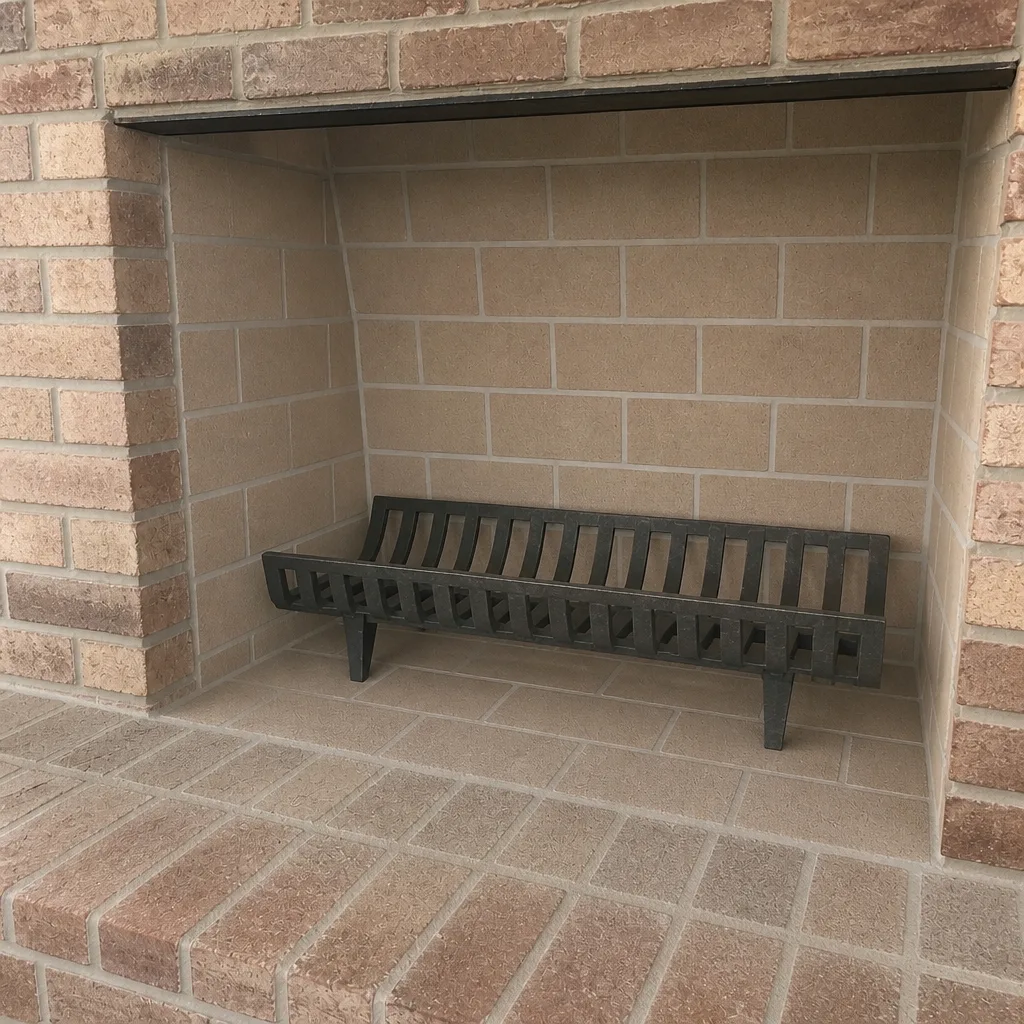
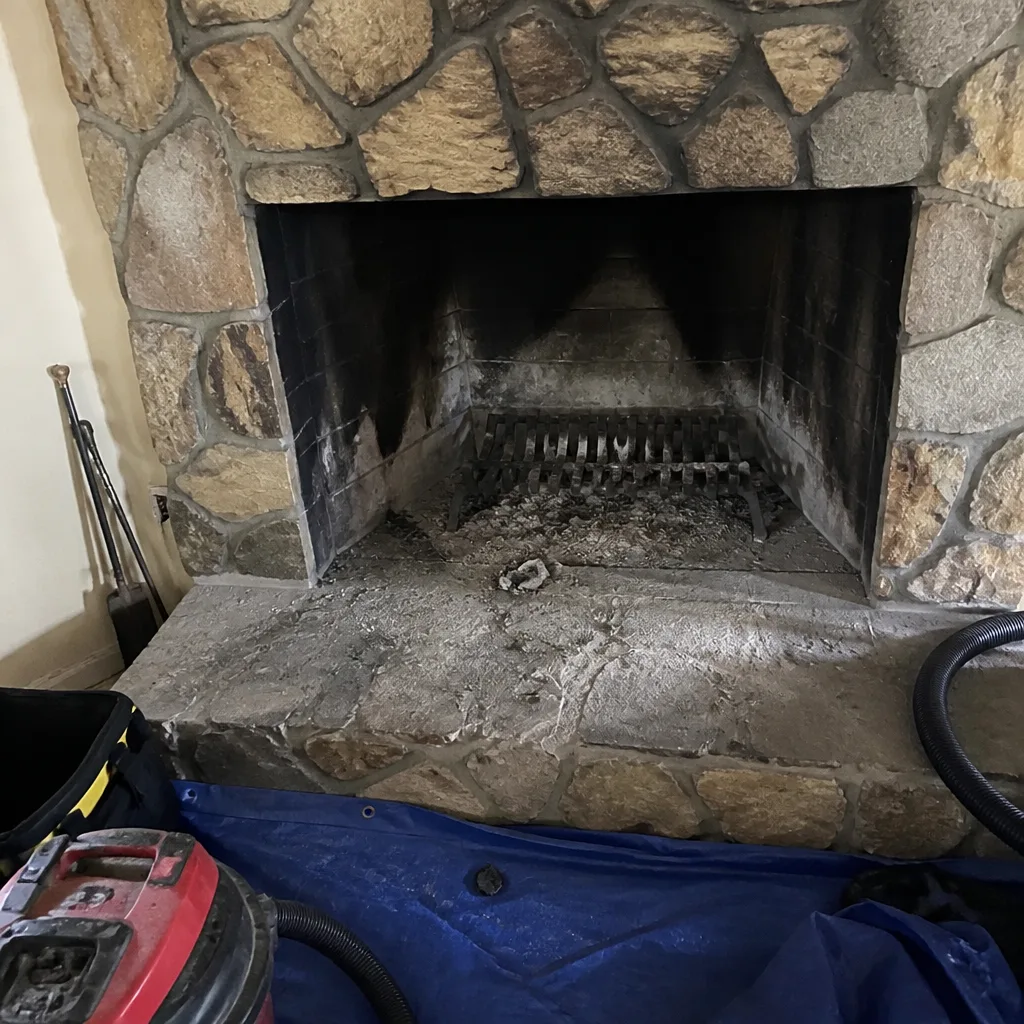 Before
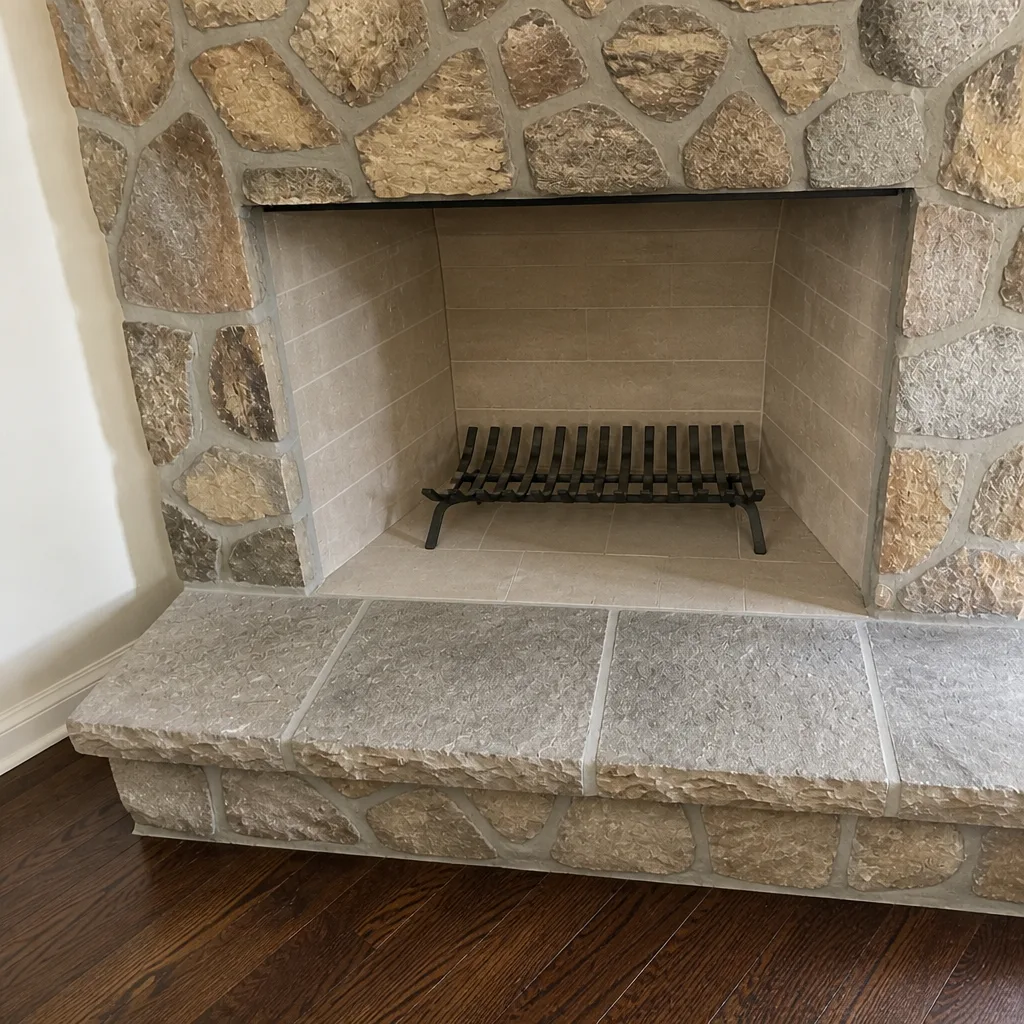 After
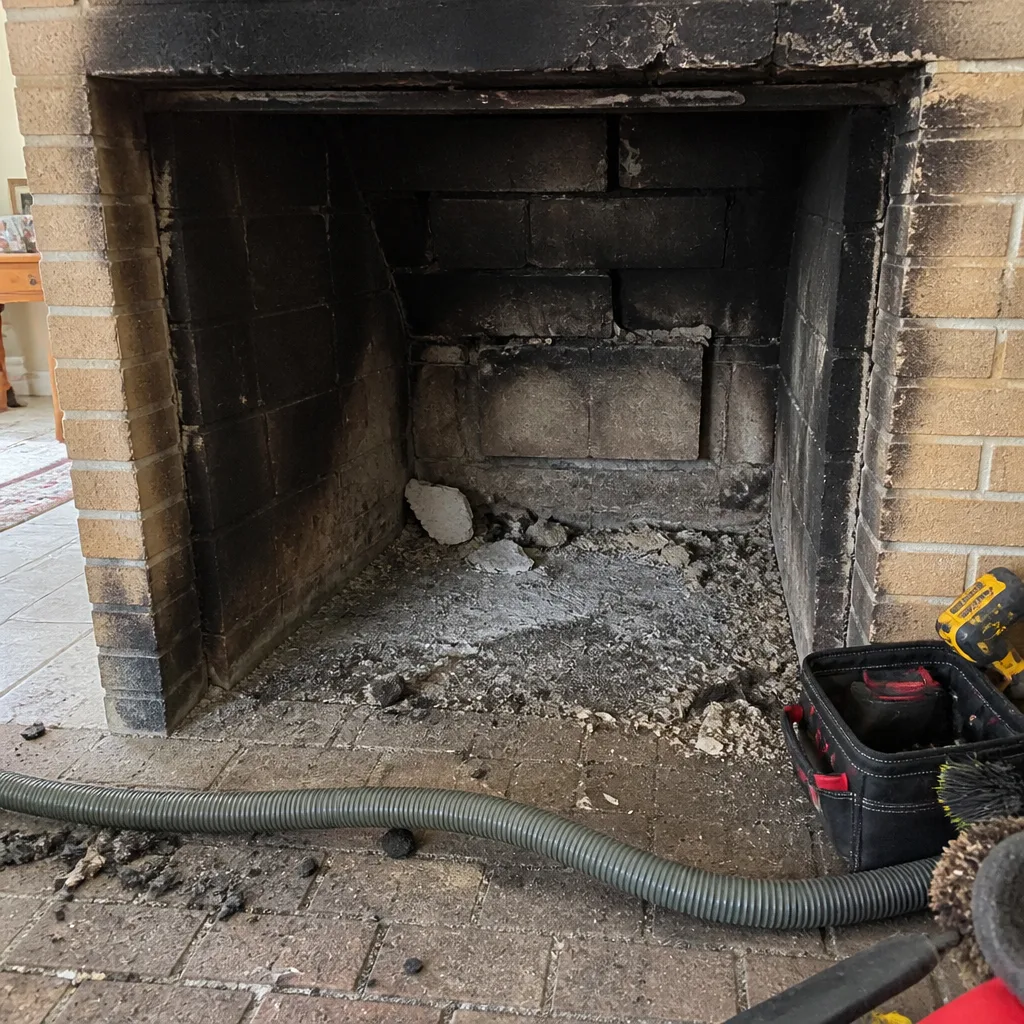
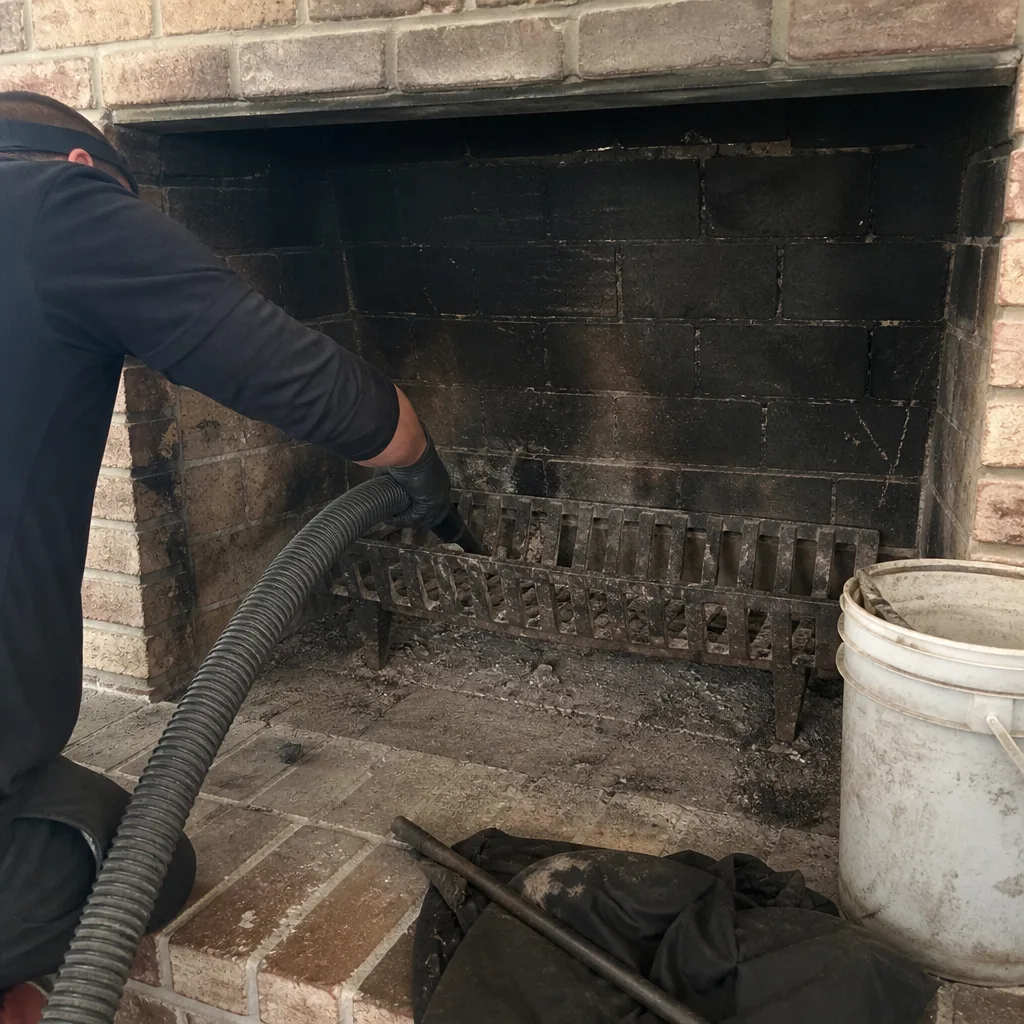 Before
 After
 Before
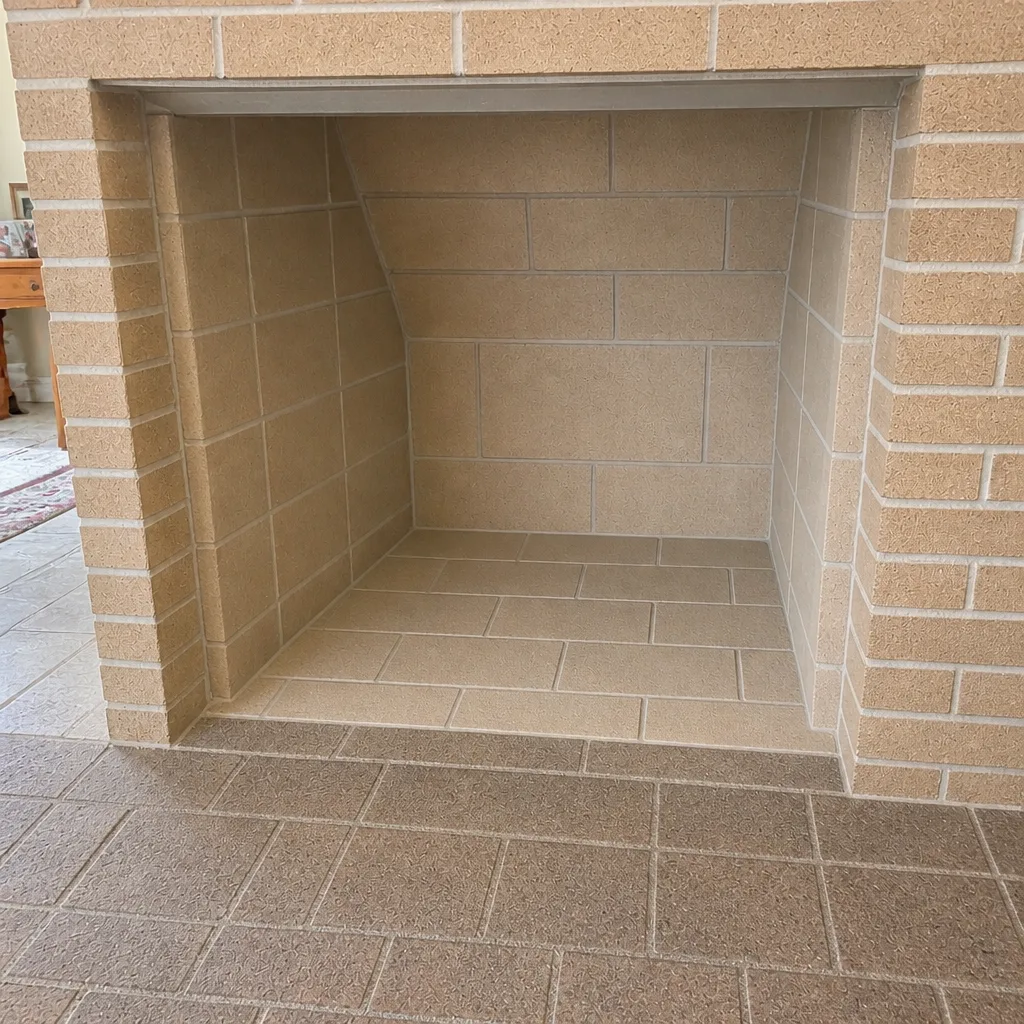 After
When to Call a Professional
Some signs clearly call for a trained technician rather than a homeowner with a flashlight. Book a professional sweep and inspection if you haven’t had the chimney looked at in a year or more, if you’ve recently bought a home and can’t document the last inspection, if you notice smoke backing into the room or a persistent odor, if the firebox shows cracked brick or crumbled mortar, or if anything is visible on the exterior that looks like deterioration. Creosote accumulation is a fire risk that builds quietly, and a blocked flue can send carbon monoxide into the living space. These are the reasons a sweep is a safety appointment, not cosmetic maintenance; your fireplace should work safely every time you light it, and a documented inspection is how you know it will.
Chimney Sweep Palm Bay offers free estimates in Palm Bay. Call (855) 632-3563. We answer 24/7. Fast dispatch from 7am to 7pm, Sunday through Friday.
Frequently Asked Questions
Florida does not issue a state chimney sweep license, so there’s no license to check. What you should verify instead is current national certification through the CSIA credential database, evidence of insurance, and whether the contractor performs sweeping, inspection, and repair under one crew. That combination gives you the accountability a state license would otherwise provide, and it’s the standard to hold a Palm Bay contractor to.
Look the company or technician up on the certifying body’s own database, and check that the listing is current. The CSIA maintains a searchable database of certified professionals that you can use directly, and a listing there confirms the credential is active rather than expired. If the contractor can’t direct you to a searchable credential, ask what training their technicians hold and where you can confirm it. A professional gives you the search path without flinching. Call (855) 632-3563 if you’d like help understanding what a current credential covers.
Because it removes the conflict of interest baked into split-vendor arrangements. When one crew sweeps and inspects and a different company repairs, nobody is accountable for the whole system, and each side can blame the other if something goes wrong. A company that handles all three carries single-point accountability: the findings are repaired by the people who found them, documented from the same photos, using the same materials. That structure is worth more than a slightly lower quote from a cleaner who hands off. Call (855) 632-3563 for a free estimate.
A proper inspection covers the exterior components, the firebox and damper, and the flue interior by camera, followed by a written report with photos. The camera is the non-negotiable part. In a Florida climate where chimneys sit idle through the humid season, cracked flue tiles, moisture-damaged masonry, and animal nests inside the flue are common findings that a visual glance from the firebox won’t catch. If the inspection skips the camera, it’s not an inspection. Call (855) 632-3563 to book one with evidence you can review.
Ask each contractor for an itemized scope, then compare line by line: camera inspection and written report, the specific liner or restoration product and brand, permit responsibility, labor and roof access, cleanup and disposal, and any warranty. Only after the scopes match is the price comparison meaningful. A lower quote that skips the permit or the camera is a smaller job, not a better deal. Estimates are free, so call (855) 632-3563 and we’ll put the scope in writing.
Generic answers to local questions, sweeping without a camera, liner work without permits, and no named materials in the quote. A contractor who knows Palm Bay talks about caps, animal intrusion, and moisture during the off-season, and specifies professional-grade brands like HeatShield, DuraFlex, Gelco, or Olympia Chimney rather than anonymous parts. Rehearsed national talking points don’t survive a question about off-season care. Call (855) 632-3563 and ask us the same questions.
The Bottom Line
Hiring a chimney contractor in Palm Bay comes down to verification, because there’s no state license to lean on. Verify current certification on the database, not the badge. Verify the company sweeps, inspects, and repairs under one crew, so the findings are repaired by the people who found them. Verify the camera inspection with photos you can review, and verify the quote line by line for scope, materials, permits, and warranty before anyone climbs on the roof. A contractor who welcomes all four checks is one who knows the work. One who dodges any of them is telling you something. Get it in writing, keep the report, and book the sweep before the season, not after a problem. That’s the whole guide in one paragraph.
Ready to get it done? Chimney Sweep Palm Bay performs chimney sweeping, inspection, and repair with professional-grade materials from DuraFlex, HeatShield, Gelco, and Olympia Chimney, and we document what we find with camera evidence you can see for yourself. Start with a chimney sweep or a full inspection, or read more about how we work at Chimney Sweep Palm Bay. Call (855) 632-3563 for a free estimate. We answer 24/7. Fast dispatch from 7am to 7pm, Sunday through Friday.
Written by the team at Chimney Sweep Palm Bay.