
Last updated November 15, 2026
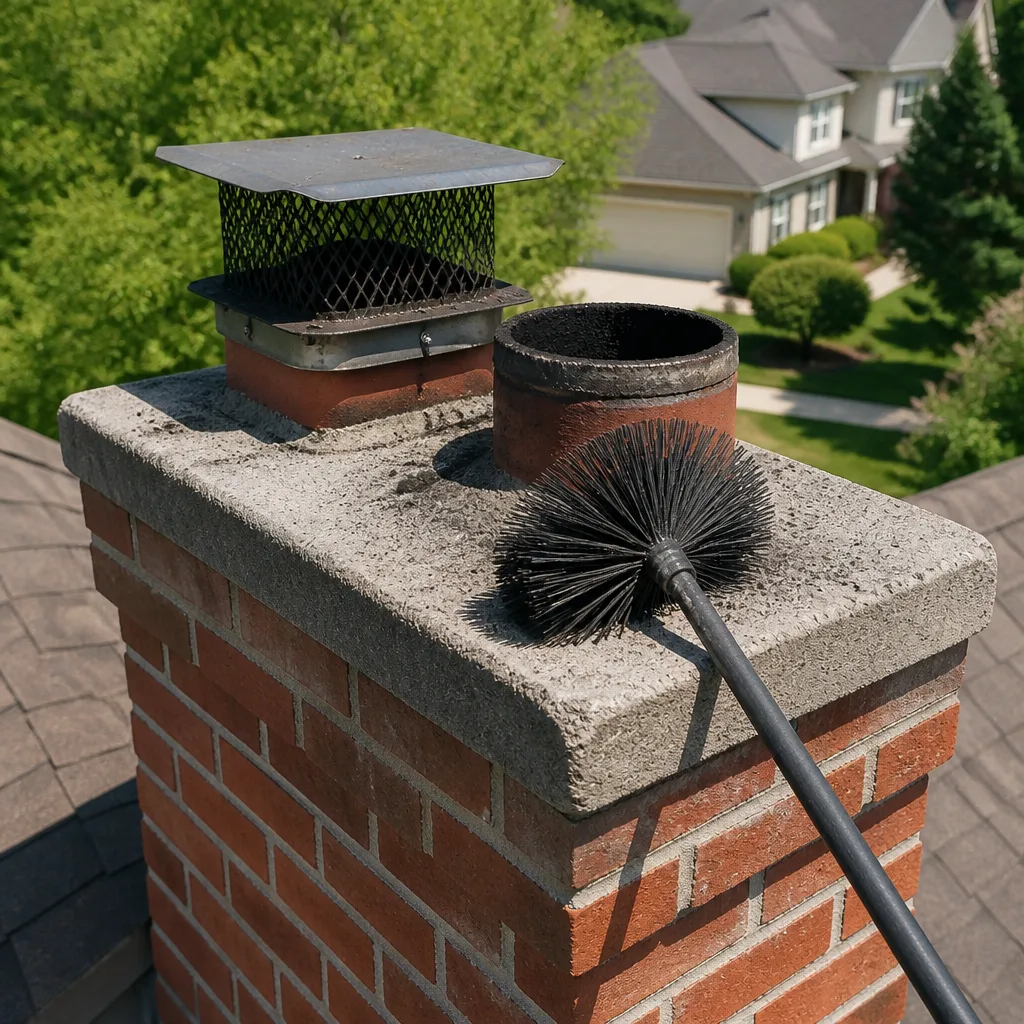 Sweep & inspection
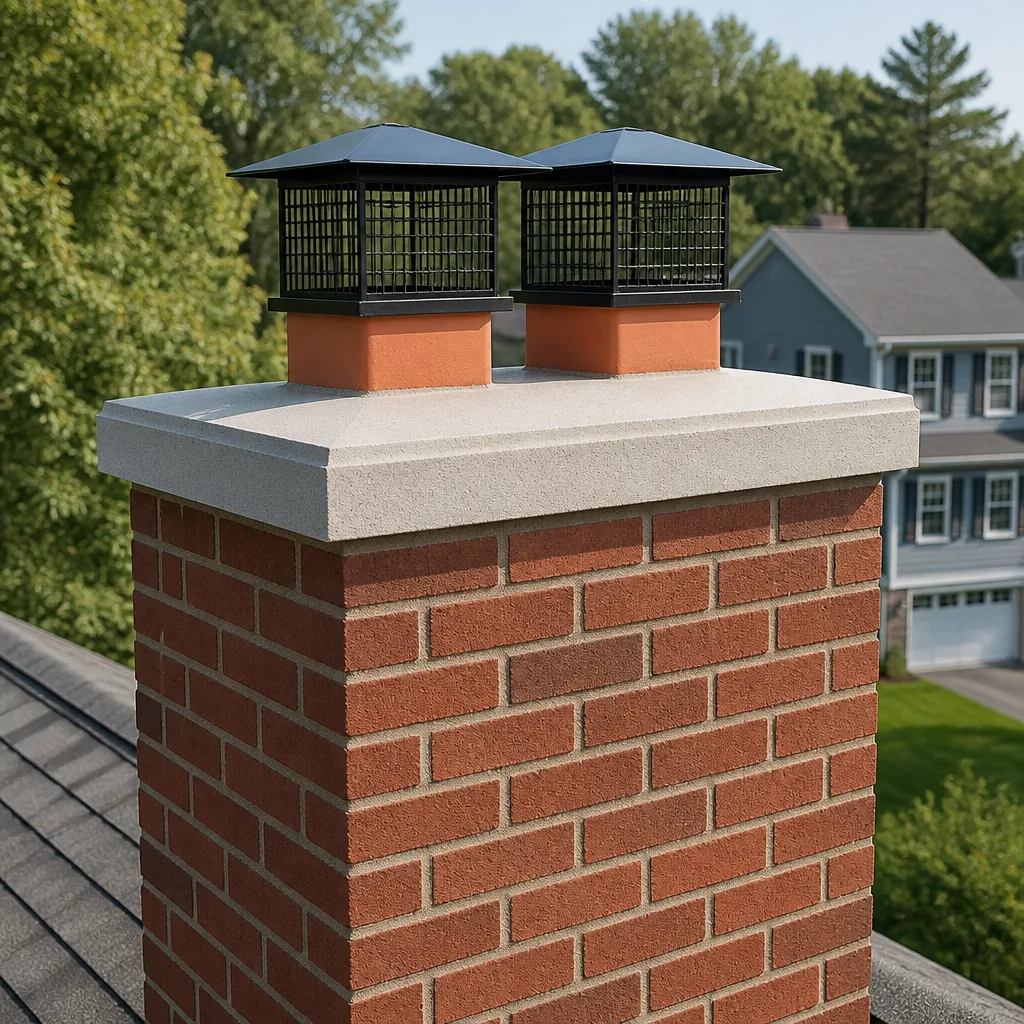 Caps & crowns
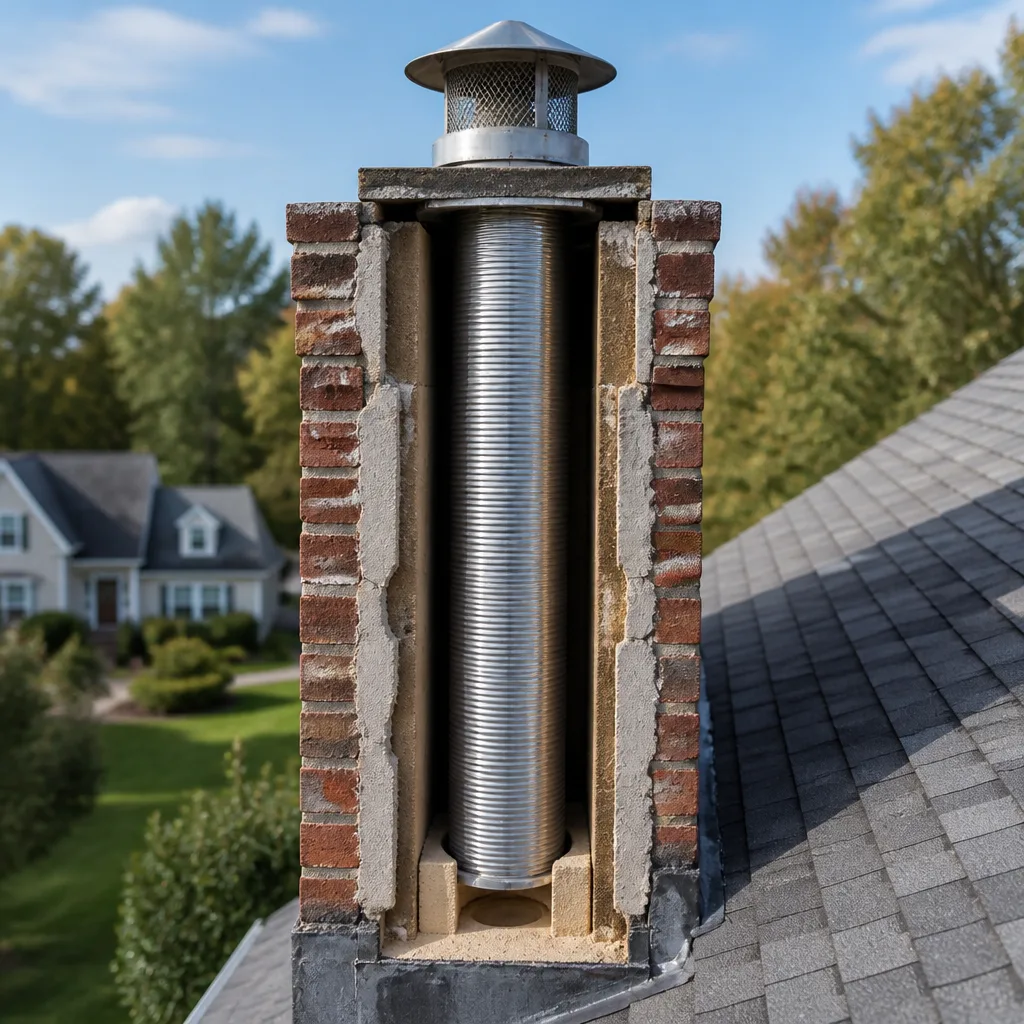 Flue relining
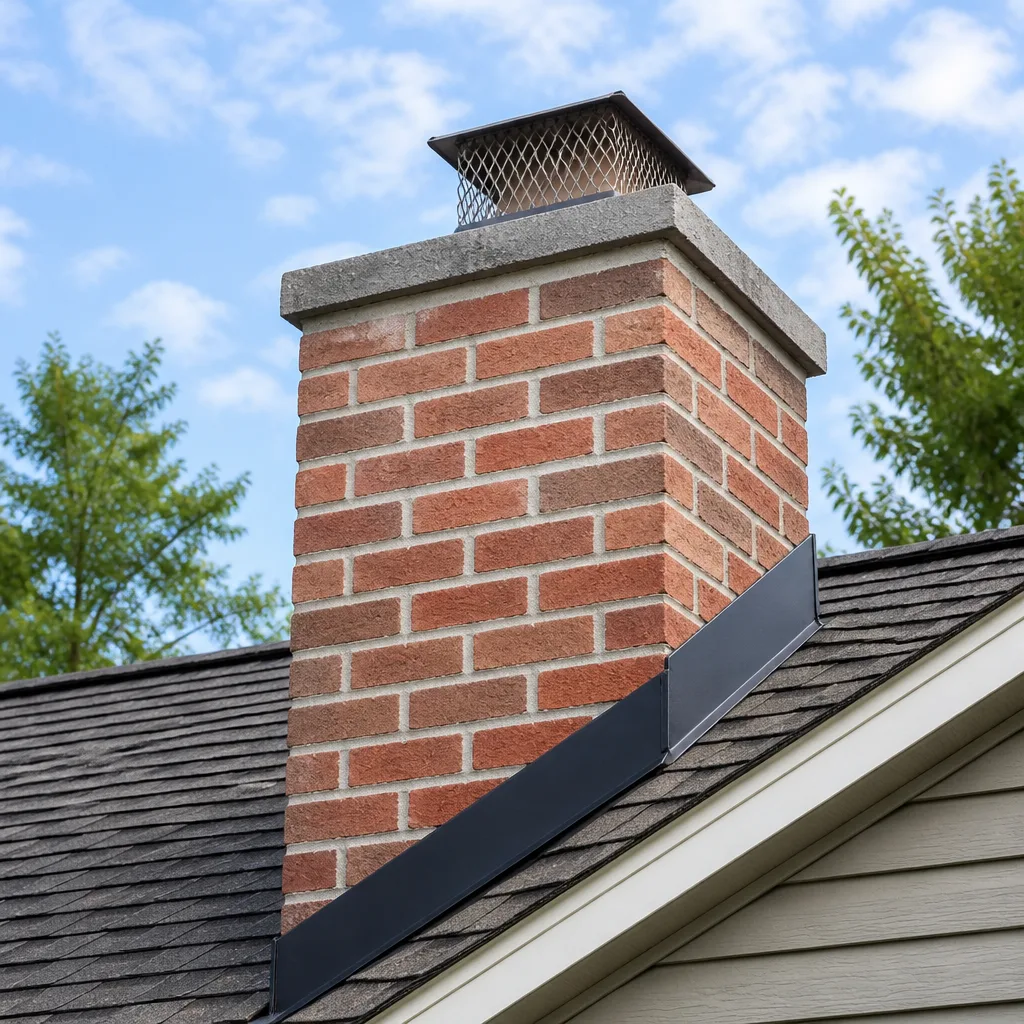 Masonry repair
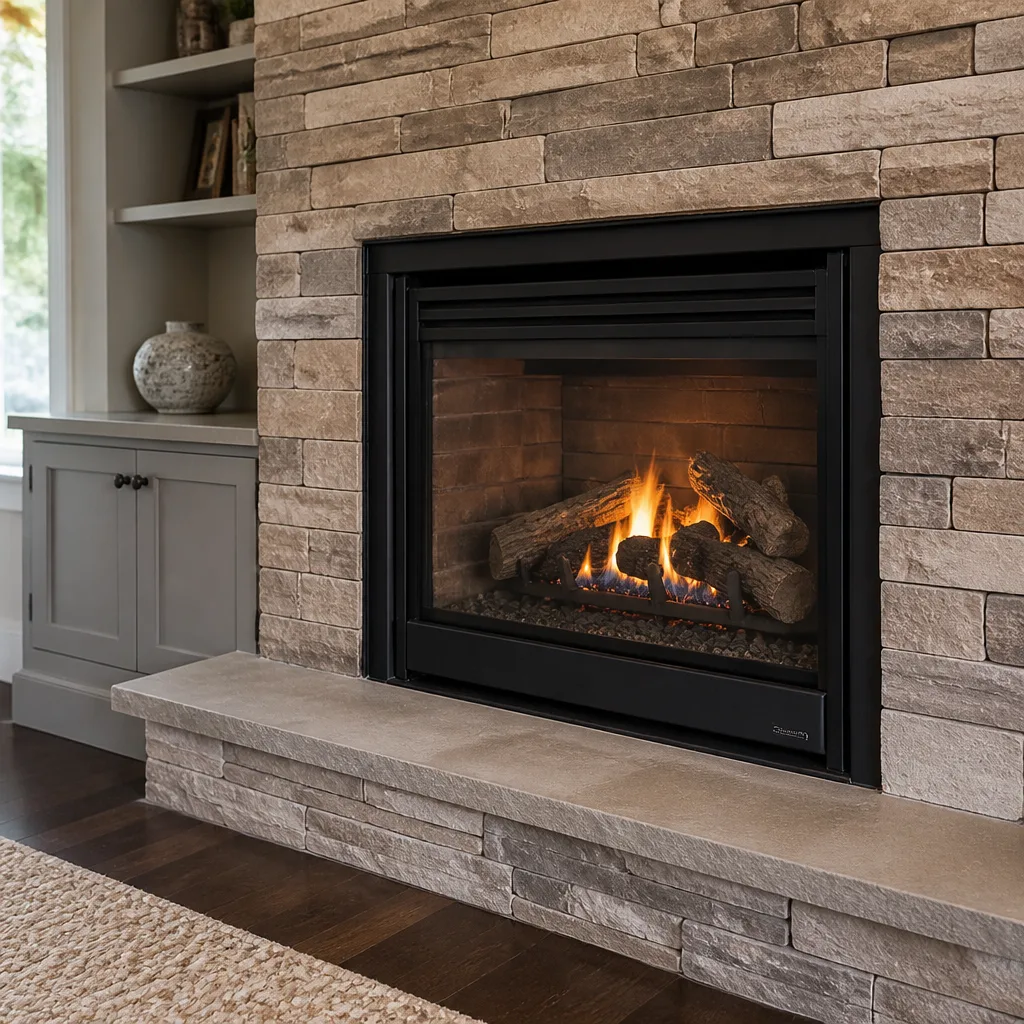 Gas fireplace service
Level 1 sweep and inspection to the NFPA 211 annual standard - flue, crown, cap, and flashing checked and photographed
Chimney sweep logs do not sweep chimneys. They loosen some creosote - which then falls where a brush and vacuum still have to collect it.
Chimney Cleaning Permits, Codes & Inspections in Palm Bay, FL: What You Need to Know
Here’s the part most homeowners get backwards: a routine chimney sweep in Palm Bay almost never needs a permit. A liner replacement almost always does. The two get lumped together in people’s minds, and that confusion causes real trouble. Unpermitted liner and firebox work surfaces during home sales, can complicate an insurance claim after a chimney fire, and sometimes has to be torn out and redone. This guide draws the permit line clearly: what counts as maintenance, what counts as an alteration, how Brevard County’s inspection process runs, when a Level 2 inspection is required, and how to protect yourself whether you’re cleaning, repairing, or selling.
Quick Answer
A standard chimney sweep in Palm Bay does not require a permit. Any repair that alters the structure of the chimney, the flue liner, or the firebox does require a permit through Brevard County, and that work must be inspected before it’s covered up or put back into service. A Level 2 inspection is the documented, camera-based evaluation most insurers and buyers want to see, and it’s required after a chimney fire, a flue change, or a property sale.
Styles & brands we work with
- Sweep & inspection
- Caps & crowns
- Flue relining
- Masonry repair
- Gas fireplace service
Table of Contents
- Where the Permit Line Sits in Palm Bay
- What the Florida Building Code Actually Says
- How Brevard County’s Chimney Inspection Process Works
- What a Level 2 Inspection Is and When It’s Required
- How Unpermitted Chimney Work Shows Up at Resale
- Why a Contractor Who Pulls Permits Protects You
- The Documentation You Should Keep
- What a Permit-Ready Job Looks Like, Step by Step
Where the Permit Line Sits in Palm Bay
The cleanest way to think about it: a permit covers a change to the chimney system. A sweep is not a change. It removes creosote, soot, and debris from a flue that stays exactly as it was. No permit. An inspection is an evaluation, not a change. No permit. The moment someone cuts into the liner, replaces a firebox, installs a new chase cover, or re-crowns the top, the work moves into alteration territory, and that’s where Brevard County wants to see a permit and an inspection.
In our experience across Palm Bay, the confusion runs in both directions. Some homeowners assume everything needs a permit and get talked into paying for one on a five-hundred-dollar sweep. Others assume nothing does and let a handyman reline a flue without one. Both are wrong, and the second is far more expensive.
Here’s the split in plain terms:
- No permit typically needed: chimney sweeping, Level 1 through Level 3 inspections, cap cleaning, damper adjustment, minor mortar touch-up that doesn’t change structure.
- Permit typically required: flue liner replacement, firebox rebuild, firebox resurfacing that changes the fire chamber, chase cover replacement, crown rebuild, masonry repair that affects structural integrity, and any new appliance venting connection.
- Depends on scope, so ask: cap replacement on a factory-built chimney, damper replacement, spark arrestor work, and chimney chase modifications. These vary, and the county is the authority, not us.
One more thing homeowners in Palm Bay don’t always realize: the type of chimney matters. A masonry chimney in an older home has different code expectations than a factory-built system in a newer subdivision. That’s why the answer to “do I need a permit?” always starts with “what kind of chimney is it?”
What the Florida Building Code Actually Says
The Florida Building Code governs how chimneys, vents, and fireplaces are built, repaired, and connected to appliances. It’s the same code that appliess statewide, including here in Palm Bay, and local jurisdictions adopt and enforce it. What the code does is set the standards that a permit allows an inspector to verify. It doesn’t say “a chimney sweep needs a permit” because a sweep isn’t a regulated construction activity. It does set requirements for clearances, liner integrity, venting, and combustion air, and every repair we’ve described touches one of those.
The practical consequence: when a permit is pulled for a reline or firebox rebuild, an inspector can check that the new liner is the correct size and material, the clearances are right, the connections are correct, and the appliance will vent properly. When a homeowner skips that, the chimney can look fine and still fail those requirements. That’s the gap unpermitted work leaves.
We work with professional-grade products because the codes were written with them in mind. A DuraFlex flexible liner system is engineered to spec, and a HeatShield firebox and flue tile restoration is a recognized ceramic resurfacing method, not a patch. Using recognizable industry materials also makes an inspector’s job easier: they know what they’re looking at, and they can verify it against the manufacturer’s listing.
Two things to keep straight:
- The code sets the minimum standard. A contractor can do better, never worse.
- The permit is what gives the work a paper trail. The code compliance is the goal; the permit is how it gets checked.
If you’re planning a repair, ask any contractor for the specific code-based reason the work is needed. A contractor who can explain it in plain English, and who expects an inspection, is a different animal from one who wants to get in and out before anyone looks.
How Brevard County’s Chimney Inspection Process Works
When a permit is pulled for chimney repair or relining, the county attaches inspections to it. There’s typically an inspection of the rough or open work before the system is closed up, and a final inspection once it’s complete. If you’re replacing a liner, the inspector may want to see the flue before the new liner goes in and verify the connections and clearances after. For a firebox rebuild, they want to see the firebox restored to spec and properly clearanced. The exact sequence can vary, and the building department is the one to confirm it on your particular job.
What matters to a homeowner is the principle: on permitted work, an inspector verifies it before you’re living with it. That’s the difference between “the contractor says it’s done” and “the county confirmed it’s done.”
A typical permitted job runs like this:
- We evaluate the chimney with a Level 2 inspection, document the problem with photos and video from the flue, and write the scope of work.
- We give you a written estimate that spells out exactly what’s included, what materials are used, and what the permit cost covers.
- The permit is pulled with Brevard County before any work begins.
- The repair is performed, and the county inspection is scheduled and passed.
- You receive the documentation: inspection photos, the permit record, and a written record of what was done.
That’s the shape of a properly run repair. And this is why we do sweep, inspect, and repair under one operation: the inspection that finds the problem is done by the same team that does the work and knows what the inspector will look for. It keeps the fix from becoming a second project with a second contractor. A chimney repair that involves a permit and an inspection is not a side job; it’s a documented construction project, and the county holds it to that standard.
What a Level 2 Inspection Is and When It’s Required
A Level 2 inspection is a detailed evaluation of the entire chimney system, including the accessible parts of the flue interior using video camera equipment. It goes further than the Level 1 visual check most people picture. Where a Level 1 inspection looks at the exposed portions and checks the basic condition, a Level 2 documents the liner condition, the firebox and smoke chamber, the connections, and the clearances, with photographic evidence. It’s the report that proves what’s actually inside your chimney, not just what’s visible from the firebox.
A Level 2 is required in these situations:
- When a property is being bought or sold. It’s the inspection a buyer’s inspector and a lender typically want to see.
- After a chimney fire or any event that could have damaged the flue.
- After a change of fuel type or a new appliance connection.
- When there’s an unexplained problem: smoke, odor, water intrusion, or visible damage.
- After a major repair or replacement, to document the new condition.
In Brevard County’s climate, we see the same pattern each season. Winters are mild, so a fireplace may be used lightly and often neglected for years between evaluations. When the fireplace finally gets used seriously, damage that built up quietly becomes visible, and a camera inspection is what tells the story. Smoke or odor is another difference that matters: a Level 1 visual check can’t see a cracked tile inside the flue, but the camera can. If you’ve noticed smoke spillage or an unfamiliar smell when you light the fire, a Level 2 is the right starting point.
A Level 3 inspection is reserved for serious or concealed problems, often where the system has to be opened up or partially dismantled to see the underlying cause. Rare, but it’s part of the ladder and worth knowing it exists.
How Unpermitted Chimney Work Shows Up at Resale
Here’s the scenario that wakes people up: a buyer’s inspector notices a chimney that looks updated, checks for the permit record, and finds nothing. No record means no way to prove the liner was installed correctly, the clearances are right, or the firebox was rebuilt to spec. Now the sale is in the balance, and the buyer is either asking for a price reduction or walking away.
This happens more than most people realize, and it’s not a scare tactic. It’s a paperwork problem that surfaces years after the work was done. In a market like Palm Bay’s, where homes turn over and buyers are cautious, an open permit question is a real negotiating point.
What remediation looks like depends on what was found:
- If the work was done correctly but never permitted, a contractor can sometimes have the permit pulled retroactively and the work inspected; sometimes the county requires opening or exposing parts of it to verify.
- If the work was done incorrectly, the repair may need to be redone to meet code. That’s the worst case, and it happens most often with unbranded parts and unlisted materials because nobody can verify what’s inside.
- If there’s no way to prove the condition, a Level 2 inspection plus a written report can stand in for documentation. That’s why we insist on camera evidence you can see for yourself.
Our rule is simple: nothing gets recommended without evidence, and evidence gets photographed. If a sweep turns up a liner problem, the report will show you what the camera saw, not just what we say. If the work can safely wait, we say so. That’s not a permit rule, but it’s the same principle: the homeowner should be able to judge for themselves.
Why a Contractor Who Pulls Permits Protects You
A permit is the paper trail that proves the work was done to code and inspected by the authority. When a contractor skips it, the responsibility quietly transfers to you, the homeowner. You own the risk of unpermitted work. Your insurer may treat the chimney as a non-code-compliant system. A future buyer may treat it as an open question. A chimney sweep can’t fix that, and neither can a contractor who comes back after the fact.
So use a contractor who would rather pull the permit, actually. The permit protects you in three places that matter:
- Insurance: a documented, permitted, inspected repair gives your insurer a clear record if there’s ever a claim.
- Resale: the record answers the question before the buyer’s inspector asks it.
- Safety: an inspector verifies the clearances and connections a visual check can miss.
There’s a second layer most homeowners don’t think about: whether the contractor carries the training to do the work to code. Our technicians have up to 13 years of experience, and we work with HeatShield for firebox and flue tile restoration and DuraFlex for flexible liner systems. Those are the kinds of materials an inspector recognizes and can verify. Using the same brands professional chimney contractors use isn’t a marketing line; it’s what makes the permit and inspection meaningful.
A contractor who offers a free estimate and then asks you to skip the permit is telling you something about how they operate. Ask about the permit before you sign anything. A professional will already have the answer ready.
The Documentation You Should Keep
Paper is a safety feature. When work is done on your chimney, keep a file with the inspection reports, the permit record, and the invoice showing the scope of work and the materials used. When you sell the home, that file becomes a selling point. When you have an insurance question, it becomes evidence. When you call another contractor in five years, it tells them what’s already been done.
What belongs in that file:
- The written inspection report, with the level clearly stated (Level 1, 2, or 3) and the photos or video from the flue.
- The permit record for any permitted repair, plus the inspection sign-off.
- The written estimate describing the work in scope, and the final invoice.
- Product information for the liner or firebox materials used, so the next reviewer knows what’s inside.
If you don’t have this for your home, that’s the signal to get a Level 2 inspection and start the file. It’s cheap compared to the alternative, and a camera inspection with photos is included in the work we do. If the fireplace has never been inspected since you bought the Chimney Sweep Palm Bay house, start there.
What a Permit-Ready Job Looks Like, Step by Step
We’ll walk through a permitted repair so you can see where the code and the inspection enter the process. Say a camera inspection finds a cracked flue liner. A new liner is the fix. Here’s the sequence, so you can compare it against anything a contractor tells you:
- Inspection first. The Level 2 inspection documents the cracked liner with photos, along with the chimney’s overall condition.
- Scope and estimate. A written estimate states the liner system, the connection work, the permit cost, and the timeline. You approve it before anything is ordered.
- Permit application. The permit is filed with Brevard County and the work is not started until it’s in hand.
- Repair. The DuraFlex flexible liner system goes in to spec, and the firebox and connections are checked and brought to code.
- Inspection. The county inspects the work. If something needs to be corrected, it’s corrected and reinspected.
- Handoff. You get the inspection photos, the permit record, and the written record of the materials used.
If a repair crew is willing to do the work without that sequence, ask what happens to the record. If their answer is vague, the answer is the wrong contractor. A chimney sweep or inspection you can trust should always end in a report you can hold onto and read.
Common Mistakes to Avoid
- Skipping the permit on a liner replacement. It’s the most common mistake in Palm Bay and the one that causes the most trouble at resale. A liner is an alteration, and it needs a permit and an inspection.
- Assuming a sweep needs a permit. It doesn’t. Paying for a permit on maintenance work is money wasted, and a contractor who insists on it is either mistaken or padding the bill.
- Using an unbranded liner. A liner without a recognized manufacturer listing is hard for an inspector to verify and hard for a buyer to trust. Ask for the product name before the work starts.
- Confusing a visual check with a Level 2 inspection. A look from the firebox can’t see a cracked tile inside the flue. When there’s smoke, odor, or a recent home sale, you need the camera.
- Not keeping the paperwork. The permit record and inspection photos are what protect you later. A stack of receipts doesn’t replace them.
- Assuming “no permit” means “no rule.” Some repairs still need to meet code even when a permit isn’t required. The code applies regardless; the permit is the proof.
- Letting a general handyman reline a flue. Liner work is specialist work with specific materials and inspection requirements. Ask what the contractor actually does.
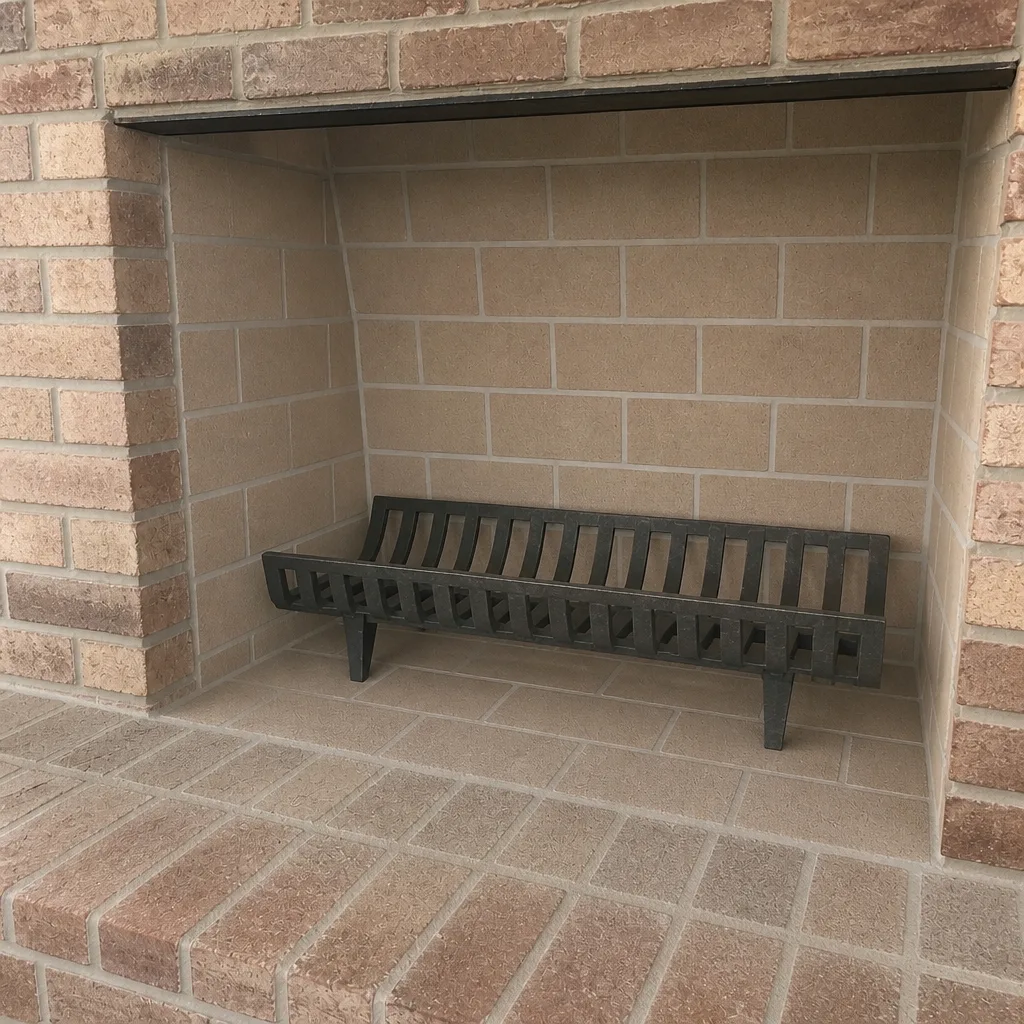
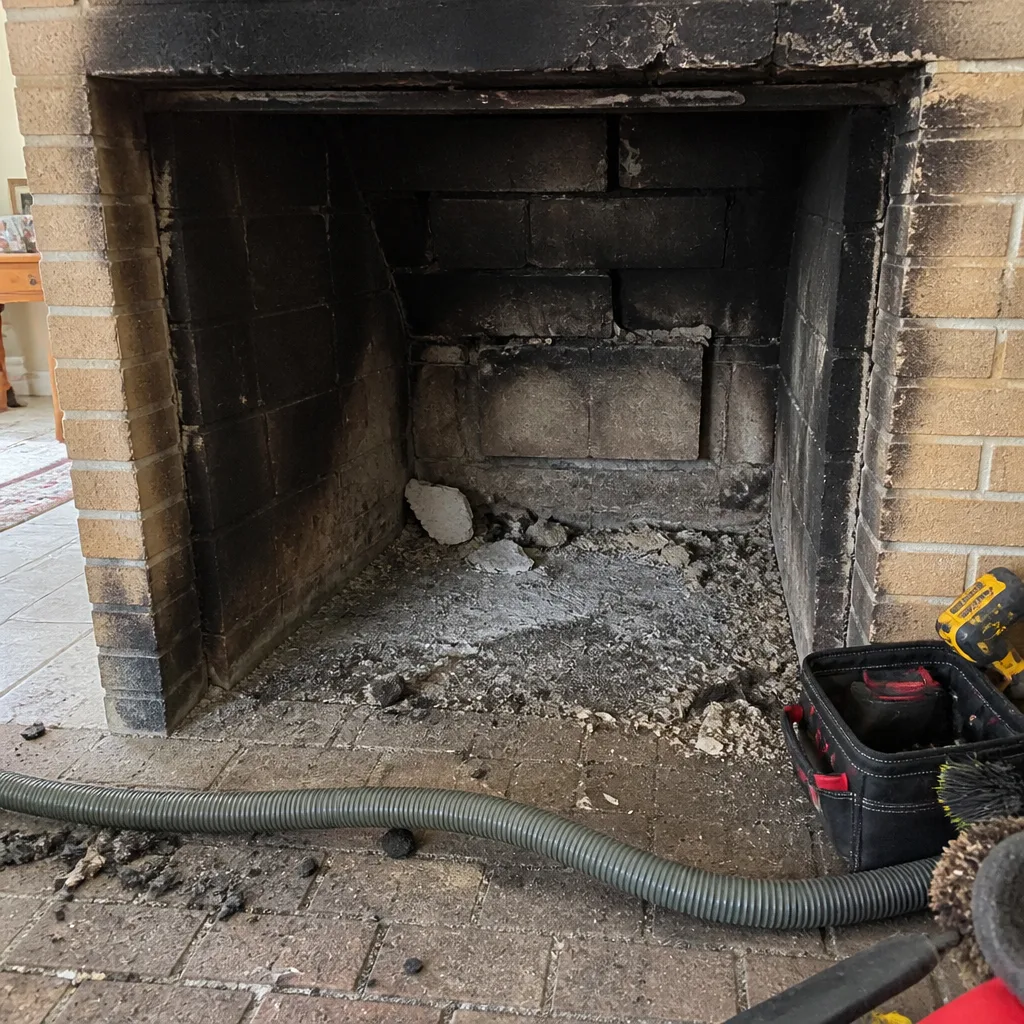
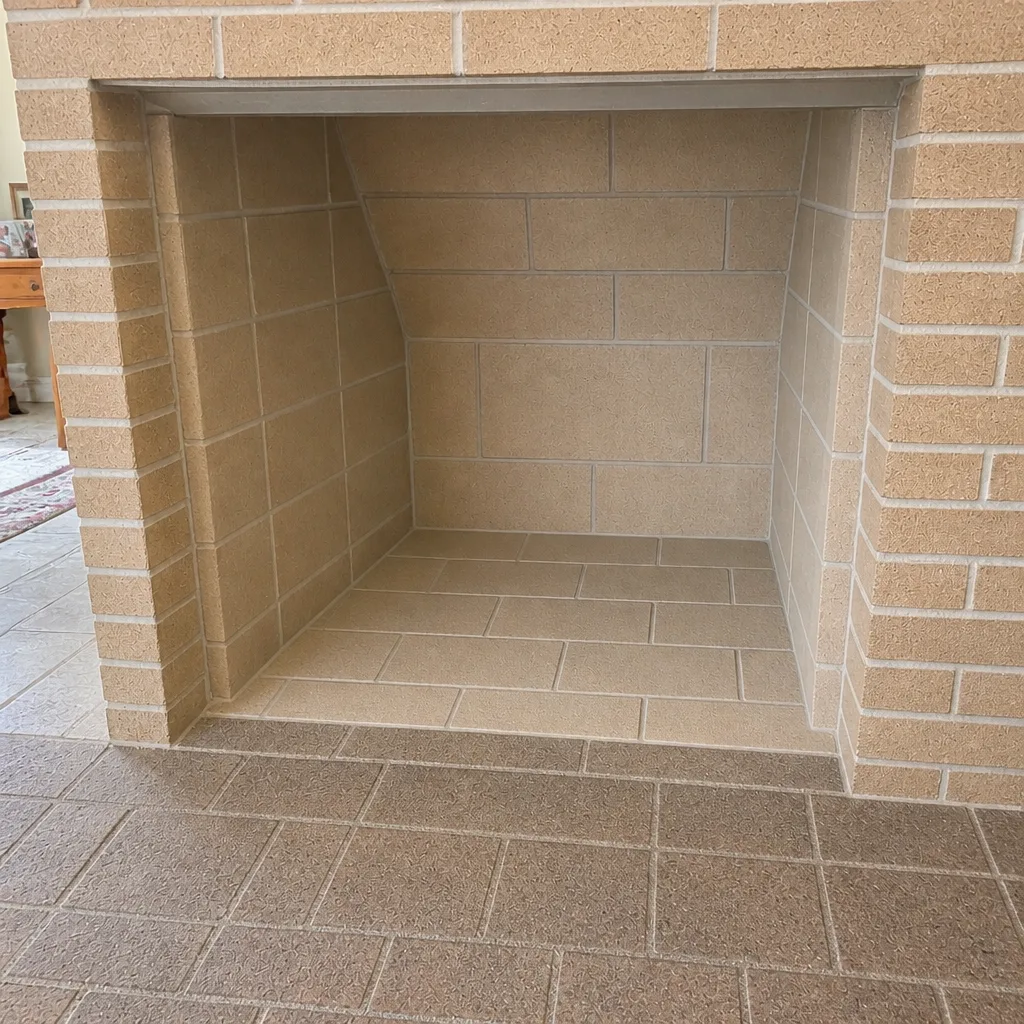
See the difference
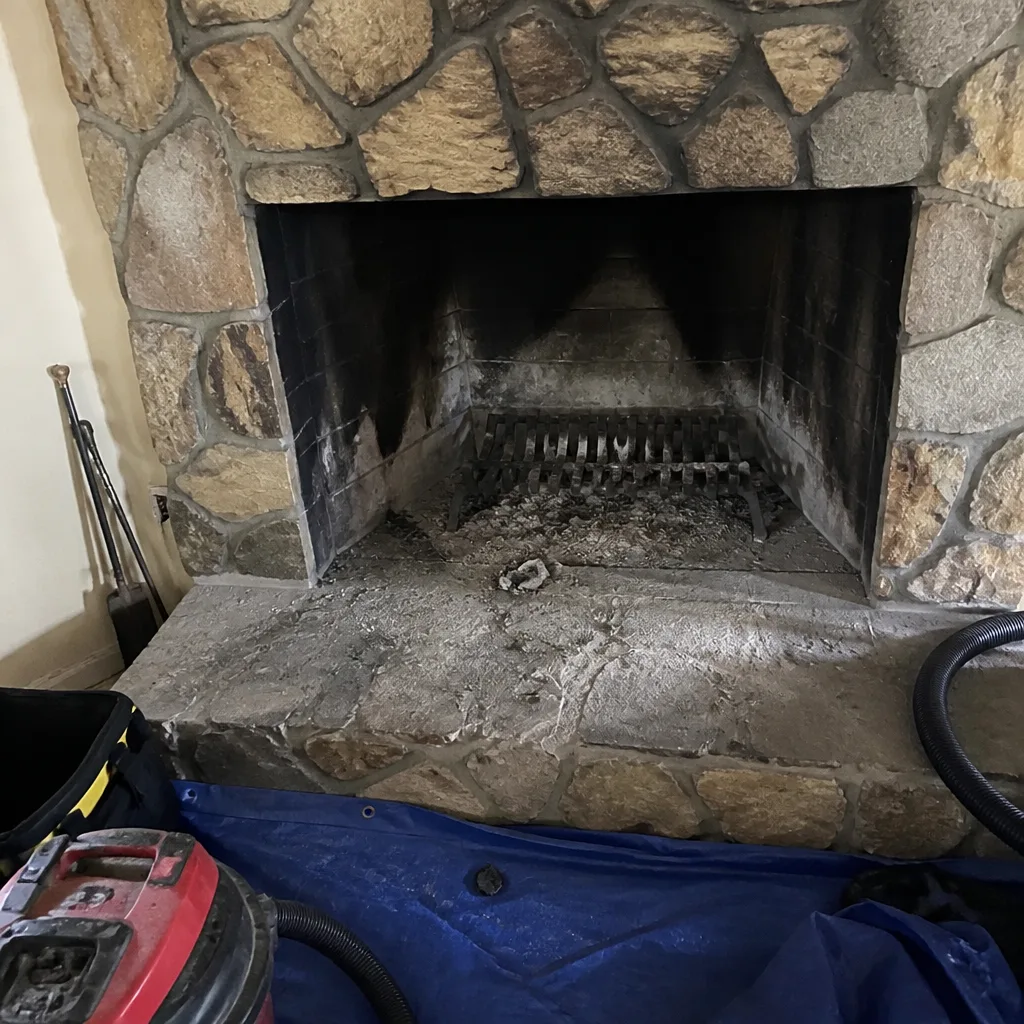 Before
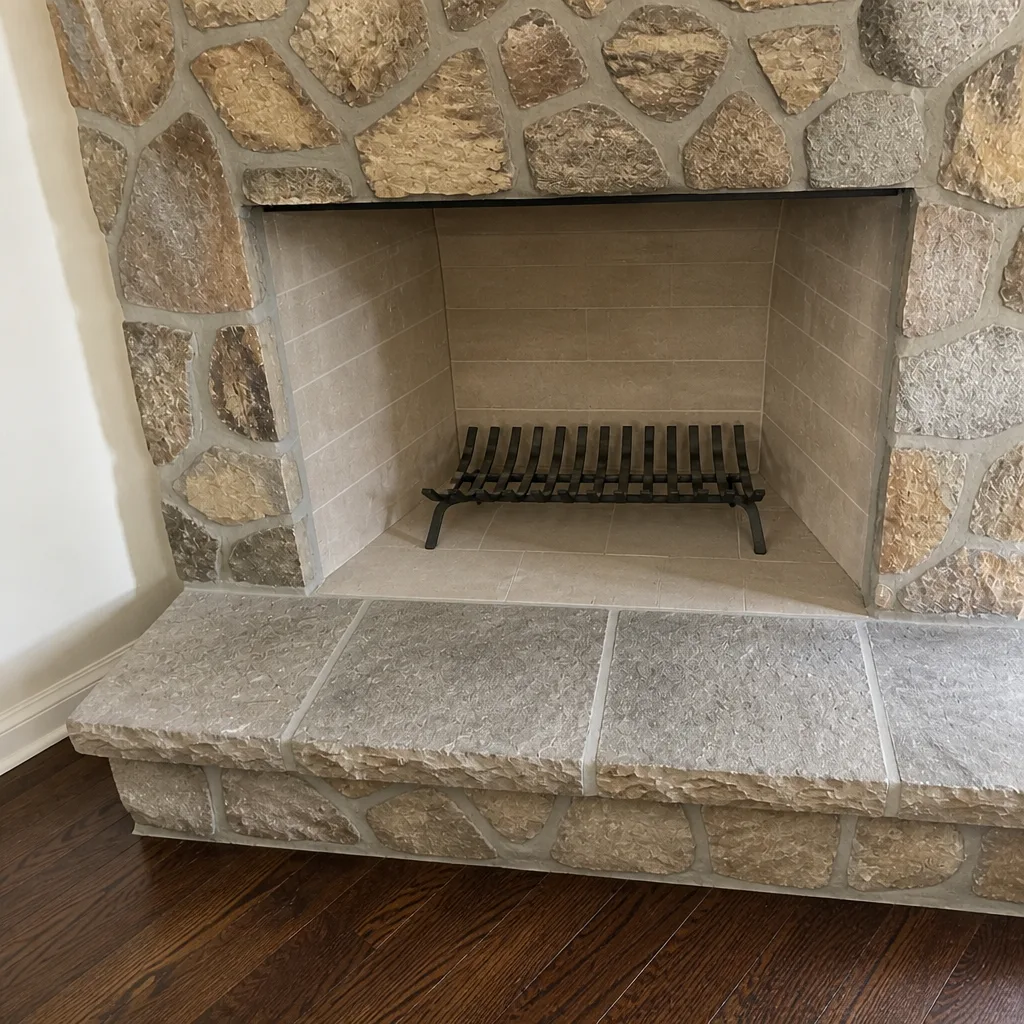 After
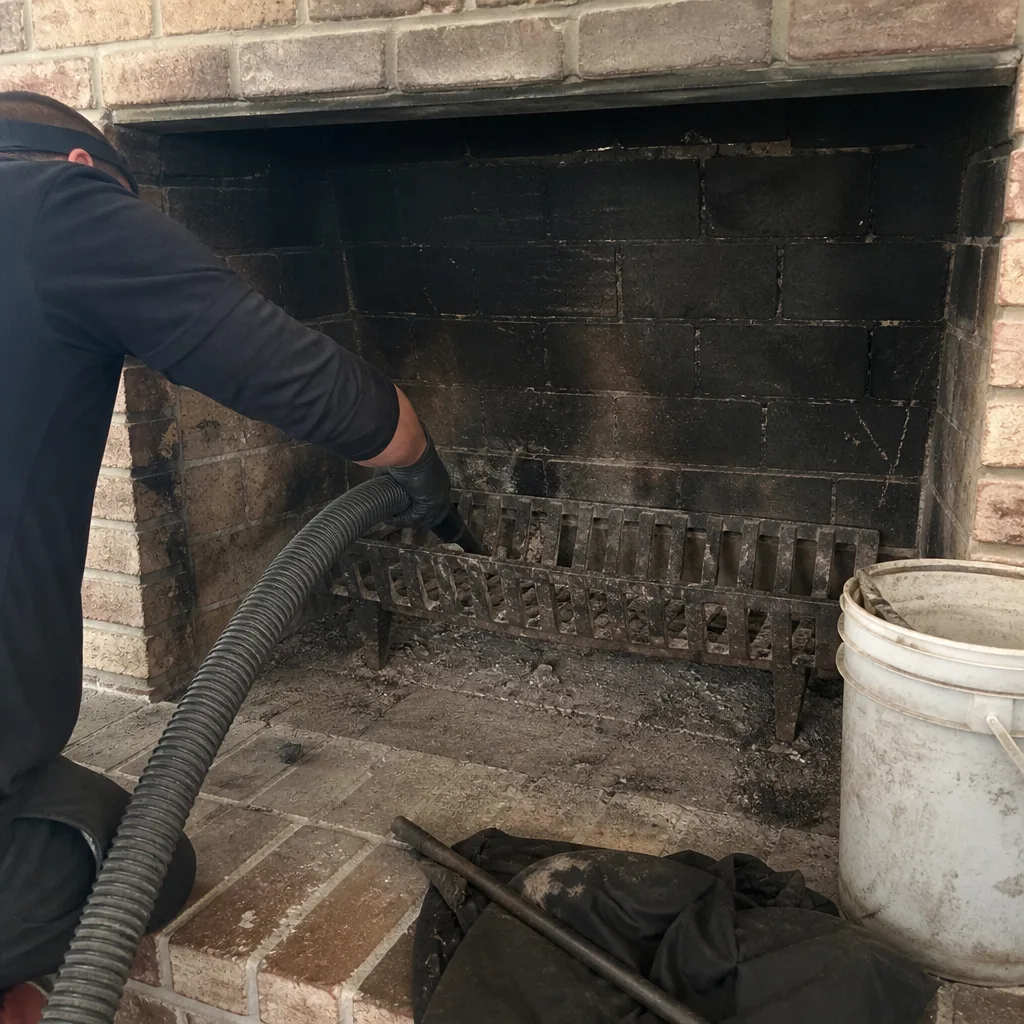 Before
 After
 Before
 After
When to Call a Professional
Call us when you’ve spotted smoke spilling into the room, an odor you can’t place, visible damage to the firebox or chimney cap, or water stains on the masonry. Call when you’re buying or selling a Palm Bay home and want a Level 2 inspection on record, or when a repair has been recommended and you want a second opinion with camera evidence. Call before you buy a home with a fireplace that’s been used for a season without a documented inspection. In our experience, the homeowners who get the most out of a sweep are the ones who schedule it before the first serious fire, not after a problem shows up. Chimney Sweep Palm Bay offers free estimates in Palm Bay – call (855) 632-3563. We answer 24/7. Fast dispatch from 7am to 7pm, Sunday through Friday.
Frequently Asked Questions
No. A routine chimney sweep in Palm Bay does not require a permit because cleaning removes creosote and debris without altering the chimney system. Repairs that change the liner, firebox, or structure do require a permit through Brevard County.
A new liner is needed when the flue liner is cracked, damaged, or no longer sized for the appliance, and yes, a liner replacement requires a permit because it alters the chimney system. We don’t recommend one without camera evidence you can see, and the written estimate sets the final price. Call (855) 632-3563 for an exact quote.
Most chimneys should be swept and inspected at least once a year when the fireplace is in regular use, and more often if you burn frequently or notice smoke or odor. If you haven’t had an inspection in over a year, that’s the schedule for a Palm Bay home.
A Level 2 inspection is a detailed, camera-based evaluation of the entire chimney system, including the flue interior, documented with photos. It’s required after a chimney fire, a fuel or appliance change, and during a property sale, and it’s the right call when you see smoke, odor, or visible damage.
Skipping the inspection means damage inside the flue can go unseen, which affects safety and can surface as a problem at resale or after a chimney event. A camera inspection is included in the work we do, and nothing is recommended without evidence you can review. Call (855) 632-3563 for a free estimate.
Unpermitted work can stall a home sale because the buyer’s inspector will look for the permit record and find none, leaving no proof the work was done to code. Remediation can range from a retroactive permit and inspection to redoing the work, and a Level 2 inspection report can help document the current condition.
The Bottom Line
The permit line in Palm Bay is clear once you know where it is: sweeping and inspections don’t need one, and repairs that change the chimney system do. That means a standard sweep is fast and simple, while a liner or firebox repair is a permitted, inspected construction project with a paper trail. The paper trail is the point. It protects your insurance claim, your resale, and the safety of everyone in the house. If a repair is being recommended on your chimney, ask for the report and the permit, and expect both.
Written by the team at Chimney Sweep Palm Bay.