
Last updated November 15, 2026
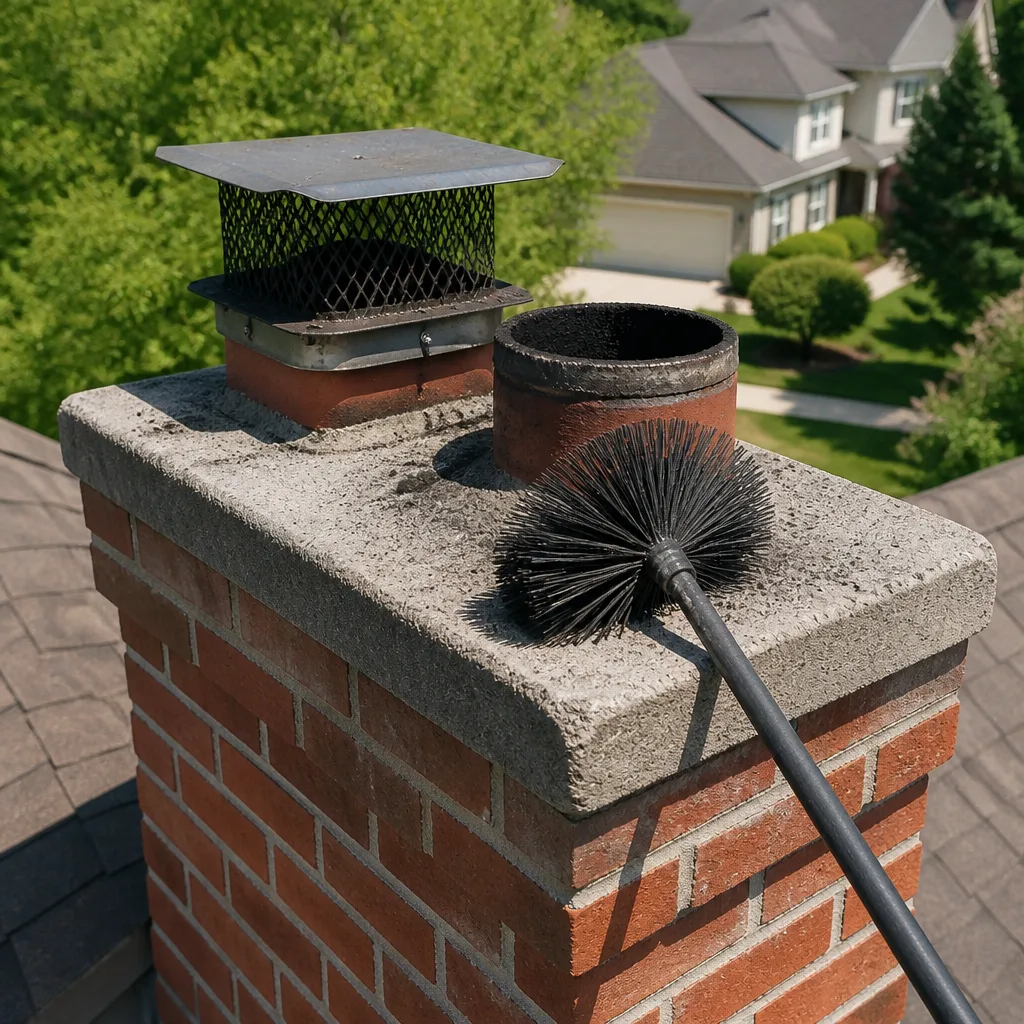 Sweep & inspection
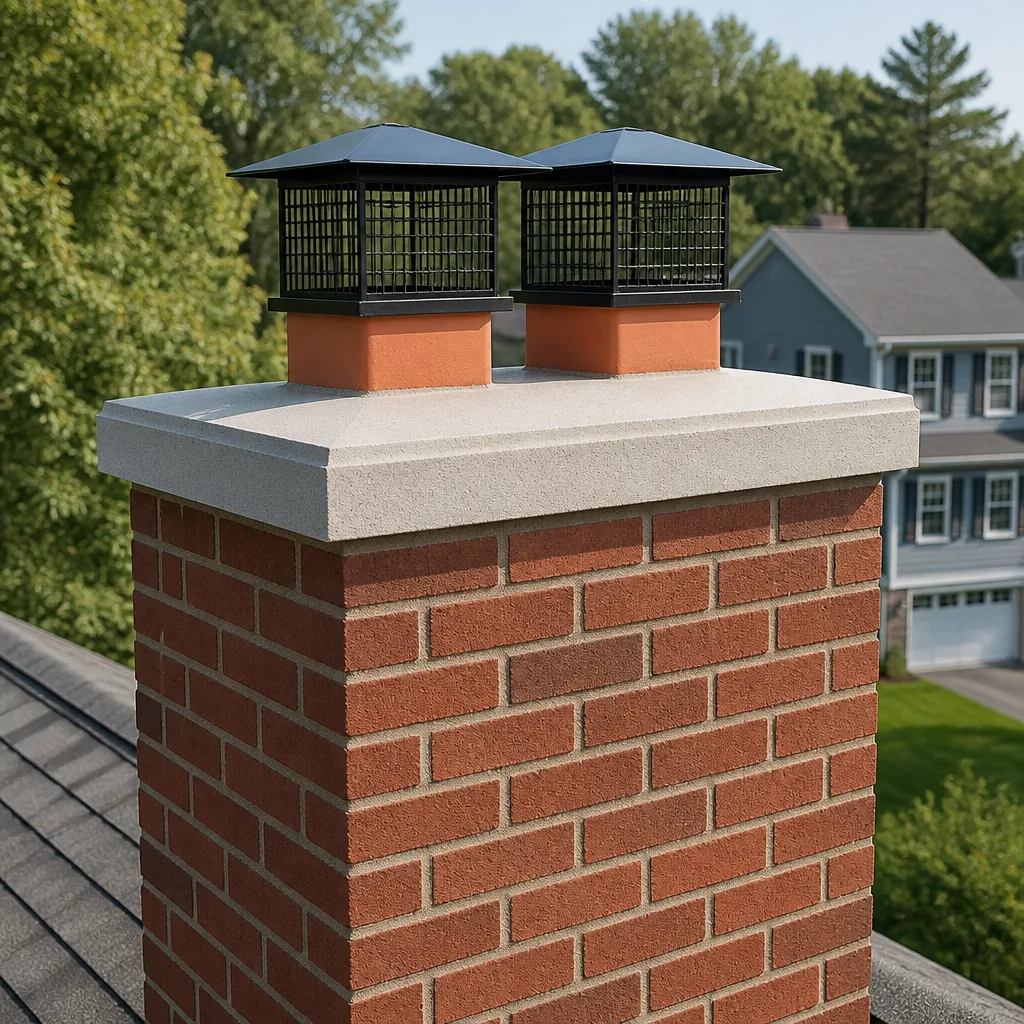 Caps & crowns
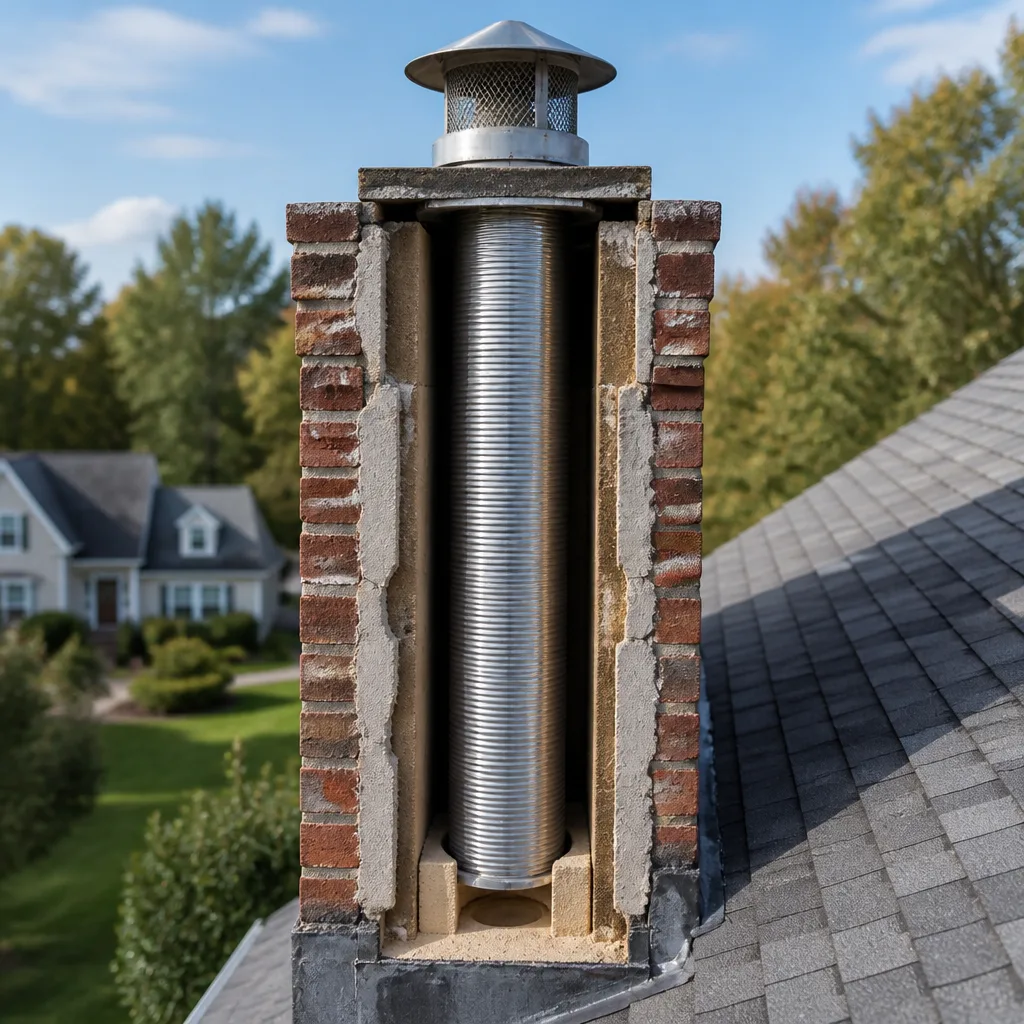 Flue relining
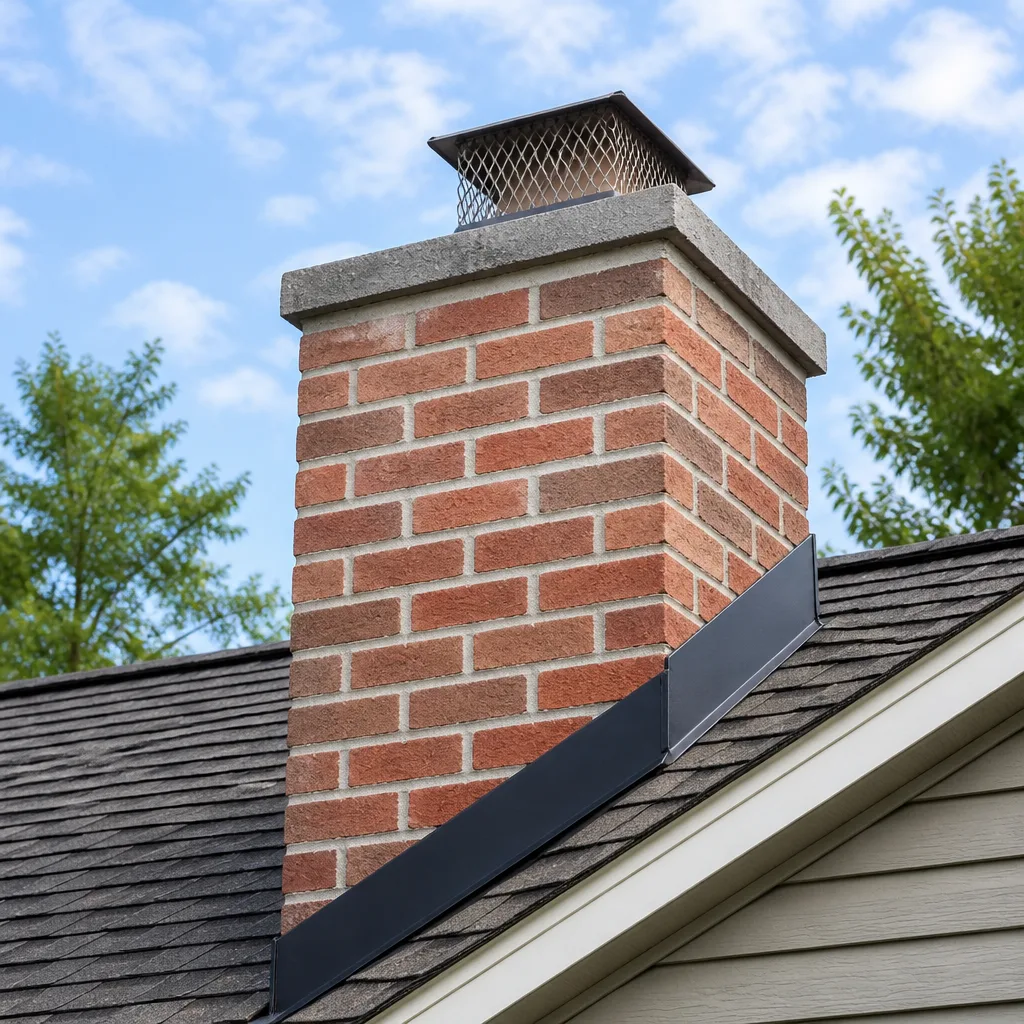 Masonry repair
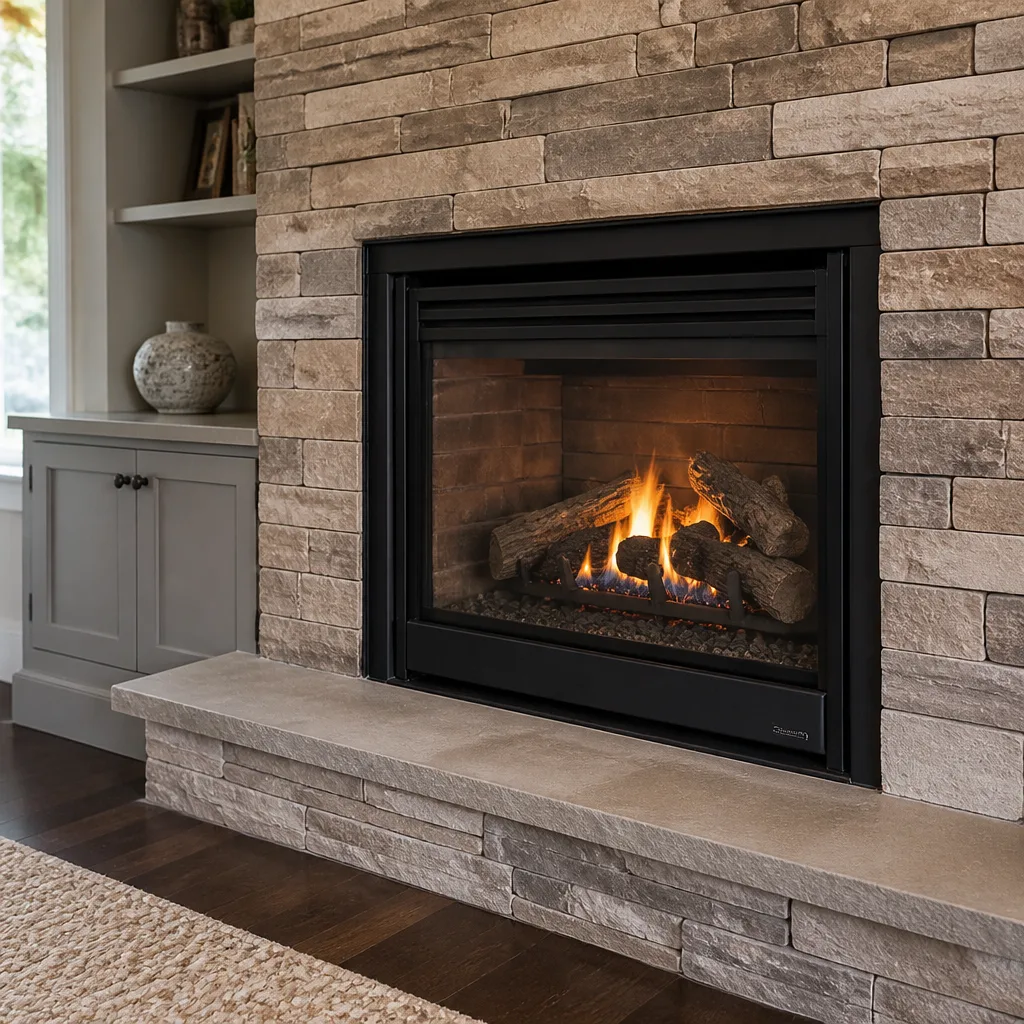 Gas fireplace service
Level 1 sweep and inspection to the NFPA 211 annual standard - flue, crown, cap, and flashing checked and photographed
Chimney sweep logs do not sweep chimneys. They loosen some creosote - which then falls where a brush and vacuum still have to collect it.
Chimney Cleaning Warning Signs: A Palm Bay Homeowner’s Reference Guide
By the time your Palm Bay fireplace smells musty or smokes on a cold night, the problem has usually been developing for two or three off-seasons already. That’s the part most warning-sign lists get wrong. They tell you to watch for smoke rolling into the room or a chimney that stops drawing, but by then a small issue has had years of humid Florida summers to turn into a structural repair. Chimneys here don’t fail with a dramatic crack. They deteriorate slowly and quietly while the fireplace sits unused. This guide covers the visual and structural signs you can spot long before performance drops off, from efflorescence on the brick to rust streaks under the cap.
Quick Answer
The earliest warning signs that a Palm Bay chimney needs cleaning or repair are visual, not performance-based: white mineral staining on the firebox or exterior brick, flaking refractory panels, rust streaks from a corroded cap, a cracked crown, and spalling brick. A chimney that still draws fine can hide a cracked liner or a blockage, so draft is not a reliable safety indicator. If you notice any of these signs, a professional inspection with camera evidence tells you what’s actually going on.
Styles & brands we work with
- Sweep & inspection
- Caps & crowns
- Flue relining
- Masonry repair
- Gas fireplace service
Table of Contents
- Exterior Warning Signs: What Palm Bay Humidity Does to a Chimney
- Interior Warning Signs You Can Spot From the Firebox
- Moisture Smell vs. Creosote Smell: What Each One Tells You
- Why a Chimney That “Draws Fine” Can Still Be Dangerous
- Animal Activity: Sounds, Smells, and Debris That Mean Call Now
- What a Proper Inspection Actually Checks
- How Often Should a Palm Bay Chimney Be Swept?
Exterior Warning Signs: What Palm Bay Humidity Does to a Chimney
Palm Bay’s warm, humid off-season is hard on brick and mortar in a way that cold-climate chimney advice rarely addresses. Up north, the damage cycle is freezing and thawing. Here, it’s moisture soaking into masonry and staying there for months while the fireplace isn’t running. The chimney never gets the drying heat that a working fire provides. That slow, persistent dampness produces a set of exterior signs worth checking every year, ideally before the first cool evening when you plan to light a fire.
Walk outside and look up at your chimney with a pair of binoculars. You’re looking for five specific things:
- Efflorescence: a white, chalky staining on exterior brick. It’s salt pushed to the surface as moisture moves through the masonry. On its own it’s cosmetic, but it’s a reliable indicator that water is getting in somewhere and staying.
- Spalling brick: brick faces that are flaking, pitting, or popping off in layers. This is more serious than efflorescence because the brick itself is breaking down, not just shedding salt.
- Rust streaks below the cap: a sign the chimney cap or its fasteners have corroded. A failing cap lets water straight into the flue.
- A cracked or crumbling crown: the concrete or mortar cap at the very top that sheds water away from the flue. When it cracks, water runs directly down the inside of the chimney instead of off the sides.
- Deteriorated mortar joints: soft or missing mortar between bricks, which lets more moisture in and weakens the structure.
Any one of these is worth a professional look. Two or more together, and you’re looking at water that’s been finding its way into the chimney for a while. We approach these the way we approach every job: document what we find with photos, tell you what it means, and let the evidence drive the recommendation. Repair work like a new crown, cap replacement, or re-pointing is handled by the same team that finds the problem. We work with professional-grade components from brands like Copperfield and Famco for caps and dampers, so the fix addresses the whole venting system rather than just the visible crack. For a closer look at what a full assessment covers, see our chimney sweep page.
Interior Warning Signs You Can Spot From the Firebox
The inside of your firebox tells a story, and most of it is visible without any tools beyond a flashlight. Before you light your first fire of the season, or after a long stretch of not using the fireplace, take a few minutes to look inside. You’re not diagnosing anything yourself; you’re noting what’s changed so a professional can confirm it.
Look for these interior indicators:
- White staining on the firebox interior: the same mineral signature as exterior efflorescence, but here it means moisture is working through the masonry or the flue behind the firebox. It’s often the first sign of a water problem you’d otherwise miss.
- Flaking or crumbling refractory panels: the heat-resistant panels lining the firebox. When they chip, crack, or flake, the firebox is no longer protecting the structure behind it as it should.
- Damper corrosion: rust or stiffness on the metal damper plate. A damper that won’t open fully, or stays stuck partway, restricts the flue and is often a sign that moisture has been sitting in the chimney.
- Crumbling mortar in the firebox joints: soft, sandy, or missing mortar between the firebox bricks.
- Creosote buildup you can see: a dark, tar-like or flaky deposit on the firebox walls and up into the flue throat.
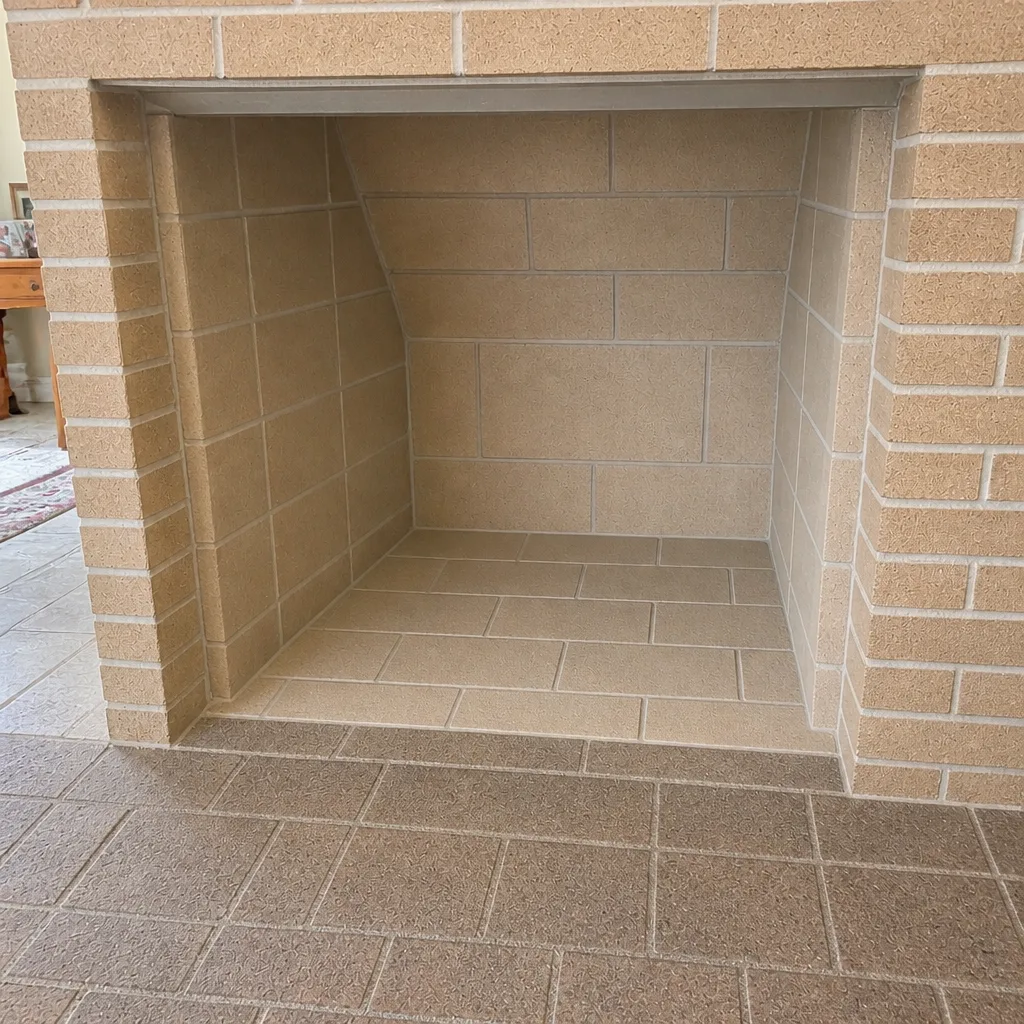
Refractory and firebox damage is where our HeatShield capability matters. HeatShield is a specialist ceramic resurfacing system for restoring firebox and flue tile, and it’s the kind of material most generalist handymen don’t carry or know how to apply. We use it when the underlying structure is sound but the surface has broken down, which means a damaged firebox doesn’t automatically mean a full rebuild. White interior staining paired with any of the exterior signs above points strongly at a moisture problem that a cap or crown repair can often solve, and we document the cause before recommending anything.
Moisture Smell vs. Creosote Smell: What Each One Tells You
Your nose is a useful diagnostic tool, but only if you can tell the two main chimney smells apart. They point to very different problems, and they carry different levels of urgency.
A moisture smell is musty, damp, and earthy, like a basement or a closed-up room. You’ll notice it most on a humid day or when the fireplace has sat unused. It signals water in the masonry, the flue, or behind the firebox, usually from a failed cap, a cracked crown, or deteriorated mortar. The chimney needs repair to stop the water intrusion, and cleaning alone won’t fix it.
A creosote smell is sharper and more acrid, a smoky, tar-like odor that gets stronger in warm weather and can drift into the house even when no fire is burning. Creosote is the residue left by wood smoke, and it builds up in the flue over time. The smell means there’s enough of it to notice, which means it’s time for a sweep. In a humid climate, that creosote can also draw moisture and turn into a stronger odor during the off-season.
Here’s the distinction that matters for urgency:
- Moisture smell, no visible damage: get it inspected before the next burning season so the source is found before masonry damage spreads.
- Moisture smell with visible staining, spalling, or rust: book a repair assessment; the water has already been doing damage.
- Creosote smell: schedule a sweep; creosote is combustible and its buildup is the main reason chimneys need regular cleaning.
- Both smells together: the chimney likely needs cleaning and a repair diagnosis, and it’s better to have one team handle both.
If you’re not sure which smell you’re dealing with, describe it when you call and we’ll help you tell the difference.
Why a Chimney That “Draws Fine” Can Still Be Dangerous
This is the single most important point in this guide. A chimney that drafts well is not automatically safe. Draft tells you air is moving up and out. It does not tell you the flue is intact, unobstructed, or free of combustible buildup.
A cracked flue tile, a partial blockage, or a damaged liner can all allow smoke and combustion gases to escape into the structure of the house while the fire still burns and the draft still feels normal. You’d never know from standing in the room. That’s why the framing we use is inspection-first and evidence-based: the condition of the flue is something you confirm, not something you sense.
Three situations are especially easy to miss because performance looks fine:
- A cracked liner hiding behind a clean-looking flue: flexible liner systems like DuraFlex exist precisely because flue tiles crack and liners degrade, and the repair is a full reline rather than a patch. The crack doesn’t announce itself with bad draft.
- A partial blockage: a nest, a fallen piece of masonry, or heavy creosote can reduce flow without stopping the fire from drawing. The restriction shows up as a slow, smoky fire or a smell, but often not as an obvious failure.
- Creosote buildup in a chimney that runs hot: a hot, fast-burning fire can mask how much creosote has accumulated in the flue.
The takeaway is to treat draft as a comfort indicator, not a safety one. Regular inspections are how you find the problems draft won’t tell you about. If you haven’t had your chimney looked at in over a year, that’s the trigger, regardless of how well it seems to be working. Our chimney repair page covers what happens when an inspection does turn up liner or structural damage.
Animal Activity: Sounds, Smells, and Debris That Mean Call Now
A missing or damaged cap turns a chimney into an attractive shelter for birds, squirrels, and other animals. This is one of the most common reasons a chimney needs service, and the signs can be obvious or subtle depending on how long it’s been going on.
Watch and listen for:
- Sounds: scratching, fluttering, or rustling from the chimney, especially in the morning or when the house is quiet. Nests and trapped animals make noise.
- Smells: a strong, unpleasant animal odor that’s different from both moisture and creosote, often with a nesting or droppings component. It can be more noticeable when the fireplace heats up.
- Debris: twigs, nesting material, or feathers falling into the firebox, or visible on the roof near the chimney.
- Droppings or stains: around the firebox or the top of the chimney.
Animal activity needs immediate service because nests are combustible and a trapped animal is a real problem, but also because whatever let the animals in needs fixing. A cap with properly fitted screening keeps them out going forward. We install and repair caps using components from brands like Copperfield and Famco. When animals have been in the flue, the nest and any droppings have to be fully cleared before the chimney is safe to use, so this is not a job to postpone until the weather cools.
What a Proper Inspection Actually Checks
A chimney inspection is not just a look up the flue with a flashlight. A thorough inspection covers the exterior, the firebox, the damper, the flue, and the crown, and it documents what’s found so you can see it for yourself. Here’s the sequence a proper visit follows:
- Exterior assessment: the crown, cap, brickwork, mortar, and flashing, checking for the signs covered earlier (efflorescence, spalling, rust streaks, cracks).
- Firebox and damper check: refractory panels, interior staining, mortar joints, and damper operation.
- Flue inspection with a camera: a camera run into the flue to look for cracks, gaps, blockages, and creosote buildup. This is what lets us show you what’s really going on rather than describing it.
- Sweep if needed: clearing creosote and debris from the flue.
- Written findings: a documented report with photos and a clear recommendation, including what can safely wait and what shouldn’t.
Because we handle sweep, inspection, and repair with the same team, an inspection that turns up a repairable issue doesn’t mean scheduling a second company. The people who find the problem are the people who fix it, and they know which professional-grade materials fit the job, from HeatShield firebox restoration to DuraFlex liner systems to Olympia Chimney components. To learn more about the company and how we work across the area, visit our Palm Bay page. If you’d rather talk it through, call (855) 632-3563.
How Often Should a Palm Bay Chimney Be Swept?
Most homeowners should have their chimney swept and inspected once a year, and more often if they burn wood frequently. The annual inspection matters more than the annual sweep itself, because the inspection is what catches the structural signs this guide has covered. A sweep keeps the flue clear of creosote; an inspection tells you whether the chimney is sound.
A few factors push a Palm Bay chimney toward more frequent service:
- Heavy burning: if you light fires most cool evenings through the season, plan on annual cleaning and watch for buildup between visits.
- Long off-seasons: a fireplace that sits unused for months accumulates moisture and can become home to animals, so the pre-season inspection is worth doing even in a light-burning year.
- A newly purchased home: you don’t know how the previous owner maintained the chimney. Schedule an inspection before the first fire, since this is the only way to know what you’ve inherited.
- Visible interior or exterior signs: any of the signs in this guide means inspect now rather than wait for the annual cycle.
Wood type matters too. Unseasoned or green wood produces more creosote than dry, seasoned wood, so if you’ve been burning anything that sizzles or hisses when it burns, expect faster buildup. Our technicians have up to 13 years of experience reading these signs, and we’d rather tell you your chimney is in good shape than sell you a service you don’t need. When work can wait, we’ll say so. When it can’t, the camera footage explains why.
Common Mistakes to Avoid
- Judging chimney health by draft alone. A chimney that draws well can still have a cracked liner or a blockage. Draft is a comfort indicator, not a safety one.
- Ignoring exterior staining because it’s “just cosmetic.” White efflorescence is cosmetic in itself, but it’s telling you water is getting in. Left alone, the water leads to spalling brick and a failing crown.
- Confusing a moisture smell with a creosote smell. They point to different problems, and fixing one won’t address the other. A musty smell usually means a repair; an acrid smell usually means a sweep.
- Waiting for a smell or visible smoke before scheduling service. By the time you smell something, the issue has often been developing for multiple off-seasons. The visual signs show up first.
- Skipping an inspection after buying a home in Palm Bay. You have no record of how the chimney was maintained. An inspection before your first fire is the only way to know.
- Ignoring animal sounds in the chimney. Nests are combustible and a blocked flue is unsafe. A missing or damaged cap lets animals in and needs repair as well as cleaning.
- Assuming the flue tiles are fine because the fire burns well. Cracked tiles and degraded liners don’t announce themselves. Only a camera inspection finds them.
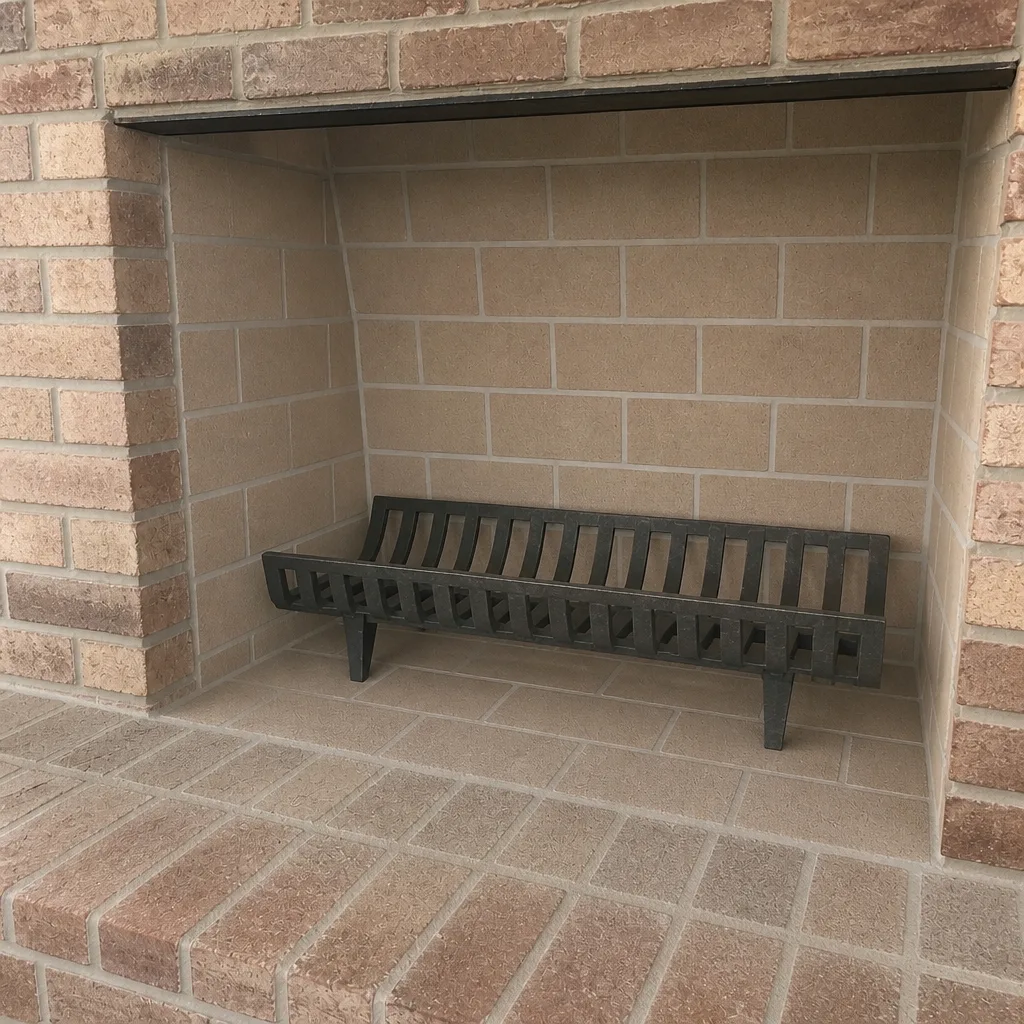
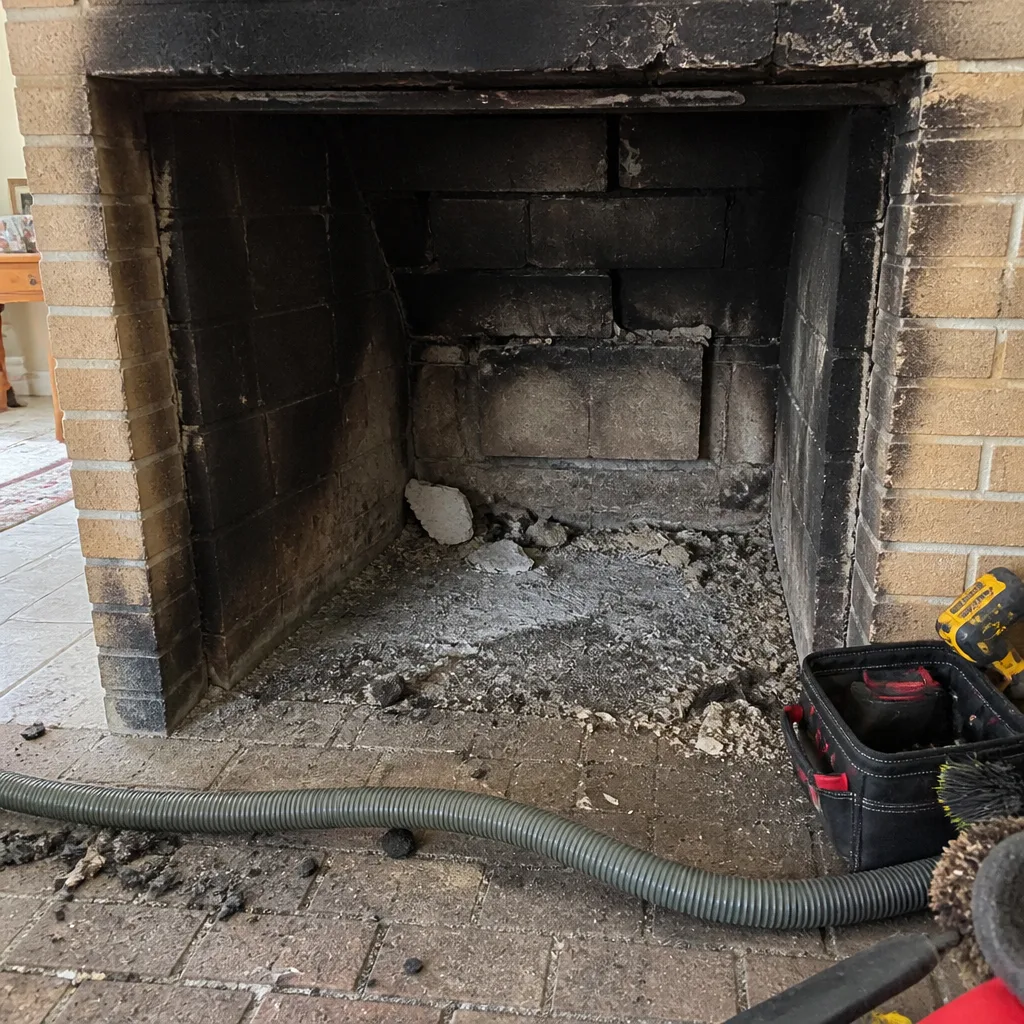
See the difference
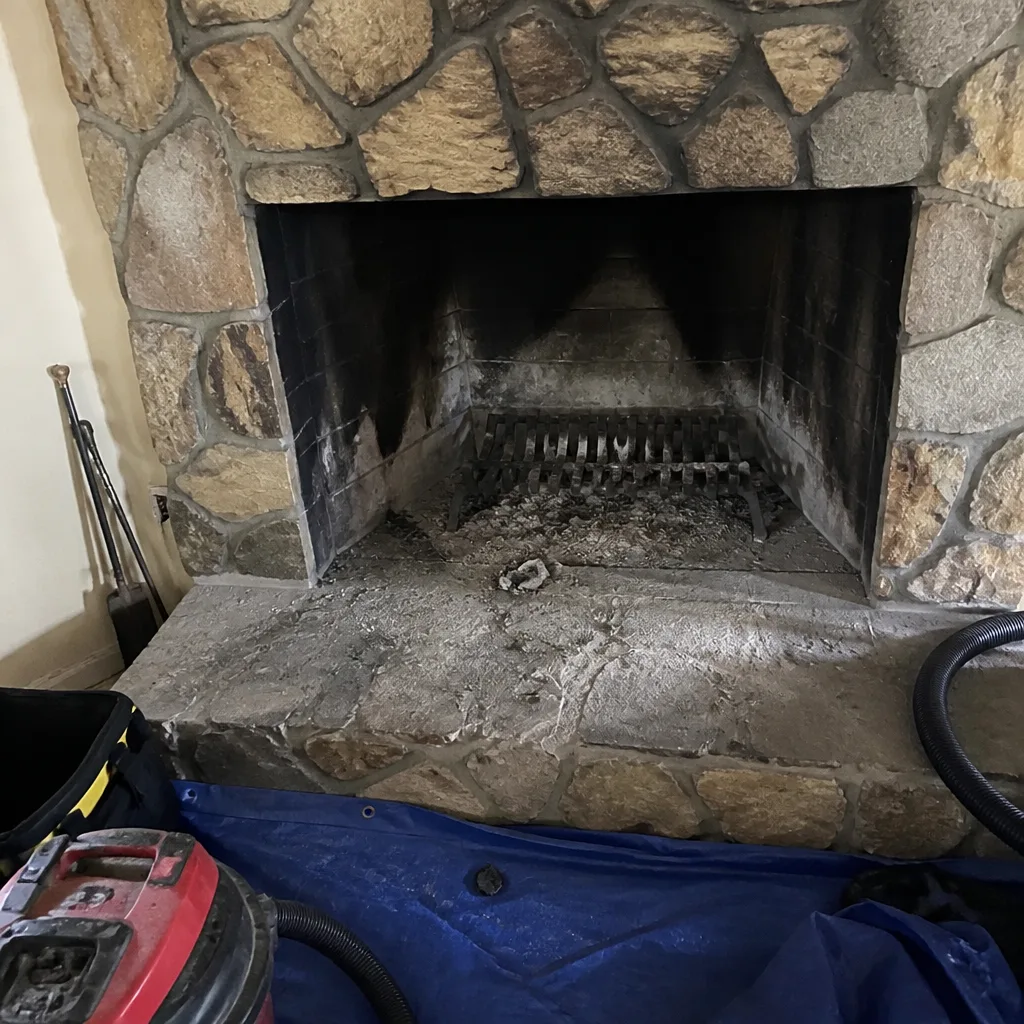 Before
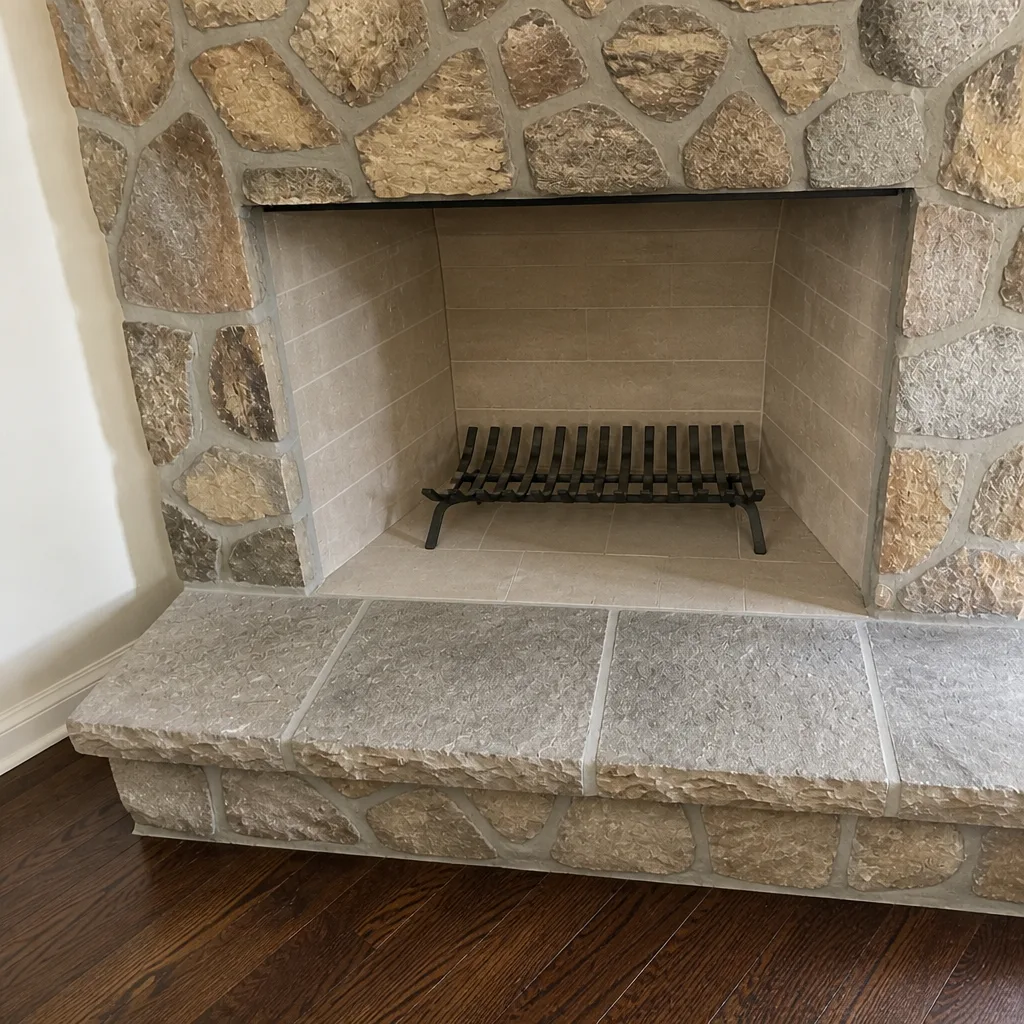 After
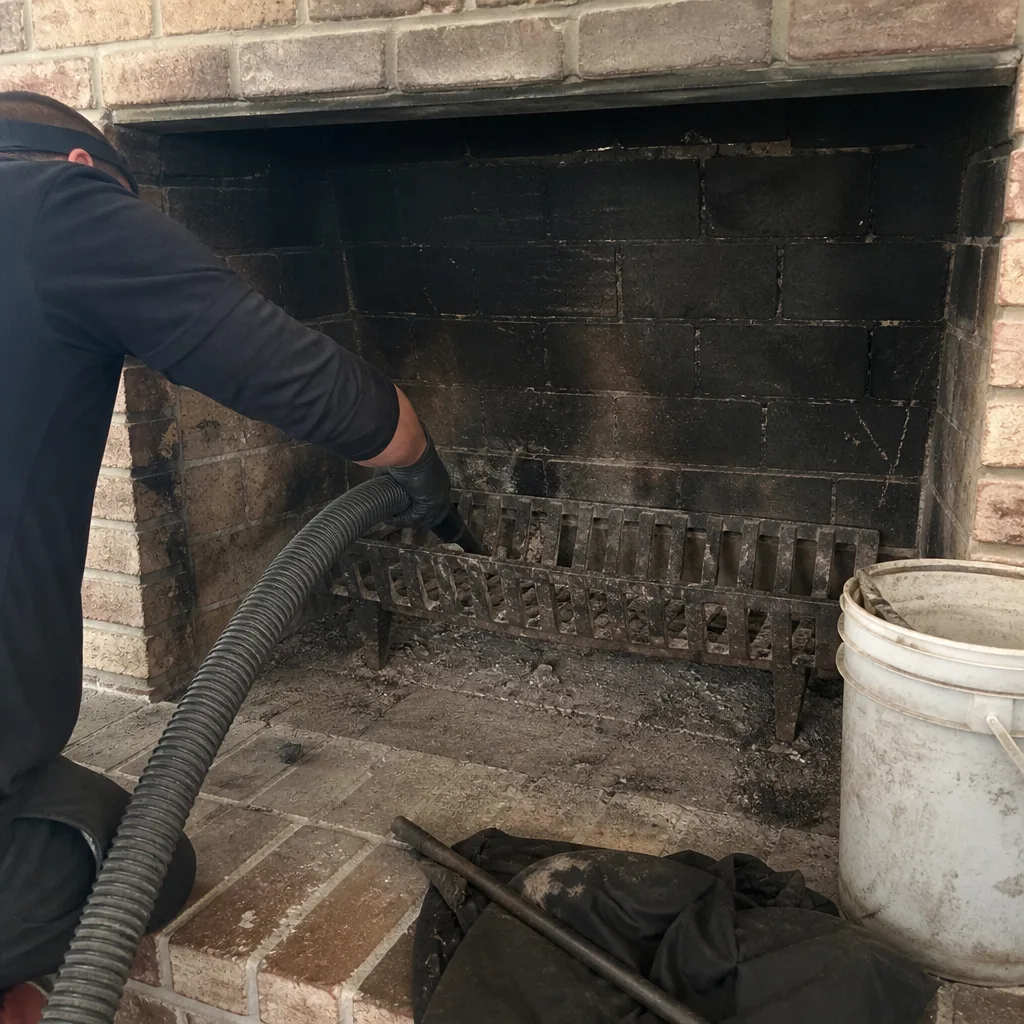 Before
 After
 Before
 After
When to Call a Professional
Call a professional if you’ve spotted any of the exterior signs (efflorescence, spalling brick, rust streaks, a cracked crown), any interior signs (white staining, flaking refractory, a corroded damper), an unresolved smell you can’t identify, or any sign of animal activity. Call if you’ve bought a home and don’t know the chimney’s history, or if it’s been more than a year since your last inspection. Don’t try to assess or clear a flue yourself; a chimney is a safety-critical system and the risks of a DIY approach outweigh any savings. Chimney Sweep Palm Bay offers free estimates in Palm Bay, with camera inspection and a photo report so you can see what we see. Call (855) 632-3563. We answer 24/7. Fast dispatch from 7am to 7pm, Sunday through Friday.
Frequently Asked Questions
The earliest signs are usually visual: white mineral staining on the firebox or exterior brick, flaking refractory panels, rust streaks from a corroded cap, a cracked crown, or spalling brick. These often show up before any performance problem like smoke or odor. If you notice any of them, a professional inspection confirms what’s going on with camera evidence. Call (855) 632-3563 for an exact quote; estimates are free.
Yes. Draft confirms air is moving, not that the flue is intact or clear. A cracked flue tile, a partial blockage from nesting or masonry, or heavy creosote can all hide behind a fire that draws normally. Only an inspection verifies the flue’s condition. Call (855) 632-3563 to book an inspection; estimates are free.
A musty smell points to moisture in the masonry or flue, usually from a failed cap or cracked crown, and calls for a repair assessment. A sharp, acrid, smoky smell points to creosote buildup and calls for a sweep. If both are present, the chimney likely needs cleaning and a repair diagnosis together. Call (855) 632-3563 for an exact quote; estimates are free.
Once a year for most homes, and more often if you burn wood heavily. The annual inspection is what catches cracks, blockages, and early moisture damage that you can’t detect from the room. A newly purchased home should be inspected before the first fire regardless of timing. Call (855) 632-3563 for an exact quote; estimates are free.
Book service right away. Nests are combustible, a blocked flue is unsafe, and a trapped animal won’t leave on its own. The flue has to be cleared and the cap repaired so it doesn’t happen again. We handle the cleaning and the cap repair together. Call (855) 632-3563 for an exact quote; estimates are free.
We tell you after the inspection, based on what the camera shows. If the flue and firebox are sound and only need cleaning, that’s all we recommend. If there’s damage that affects safety, we document it with photos so you can see it before deciding. Nothing gets recommended without evidence, and work that can safely wait is described as such. Call (855) 632-3563 for an exact quote; estimates are free.
The Bottom Line
Palm Bay chimneys rarely fail loudly. The humid off-seasons let moisture and time do the work quietly, so the signs that matter most are the ones you can see before you ever smell smoke or notice a draft problem. White staining, spalling brick, rust under the cap, a cracked crown, flaking refractory, and a corroded damper are all telling you something long before performance drops off. Draft is not a safety indicator. Check the exterior and interior each season, don’t wait for a smell, and get a documented inspection with camera evidence if anything looks off. The same team that finds a problem can clean, repair, or reline it, so you’re not shuffled between companies. If you’re ready for a straight answer on your chimney’s condition, call (855) 632-3563.
Contact
Chimney Sweep Palm Bay handles chimney sweeping, inspection, and repair with one team, using professional-grade materials from brands like HeatShield, DuraFlex, Olympia Chimney, Famco, and Copperfield. Whether you’ve spotted a warning sign or just want the documented proof that your chimney is clean and sound, call (855) 632-3563 for a free estimate. Estimates are free, the price is set per job by the written estimate, and the photo report shows you exactly what we found before any work is recommended.
Written by the team at Chimney Sweep Palm Bay.