
Last updated November 15, 2026
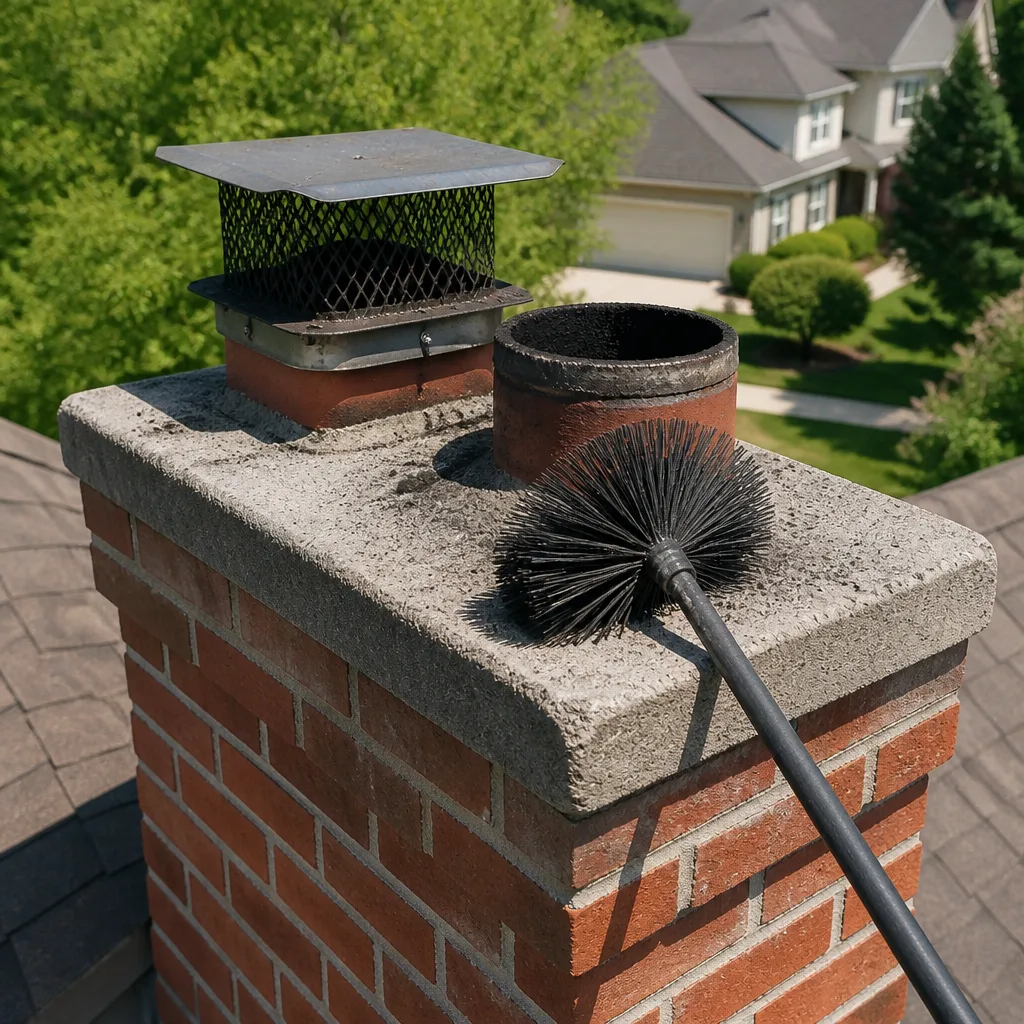 Sweep & inspection
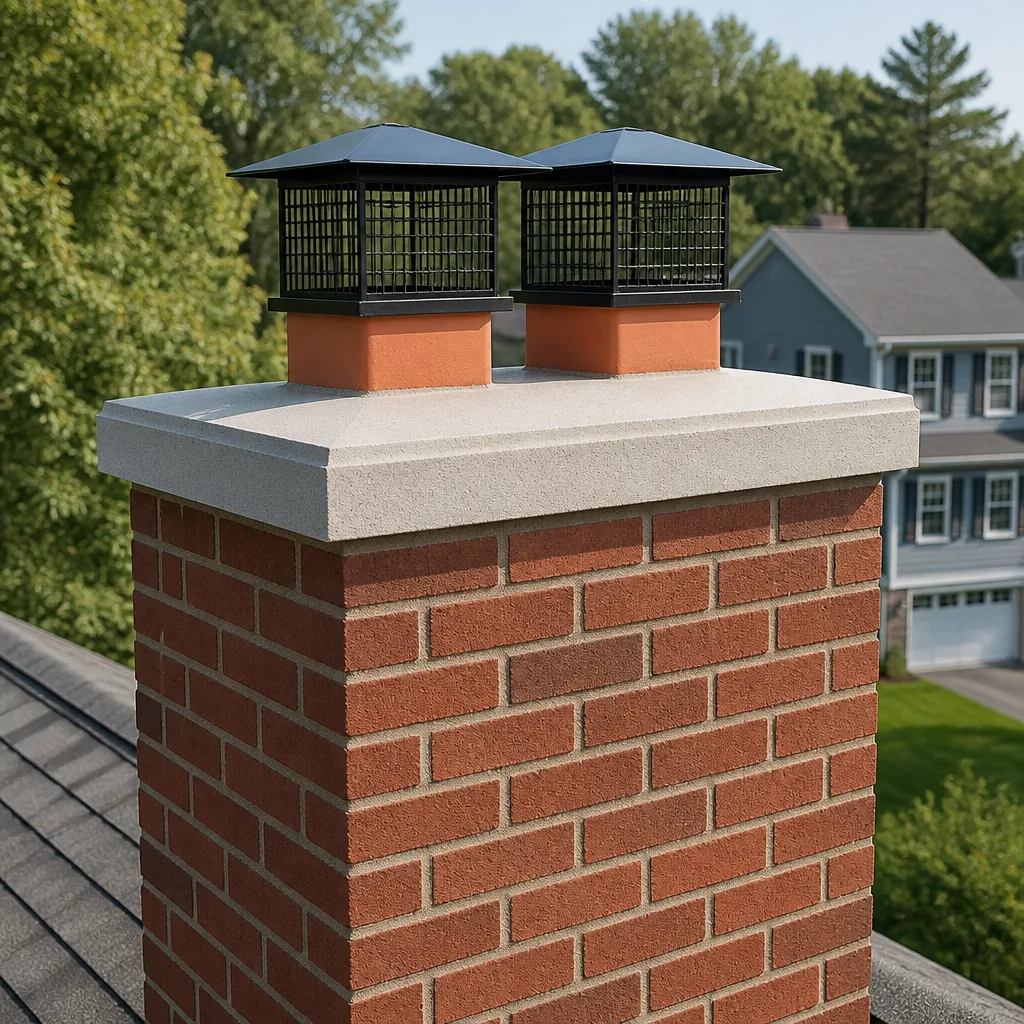 Caps & crowns
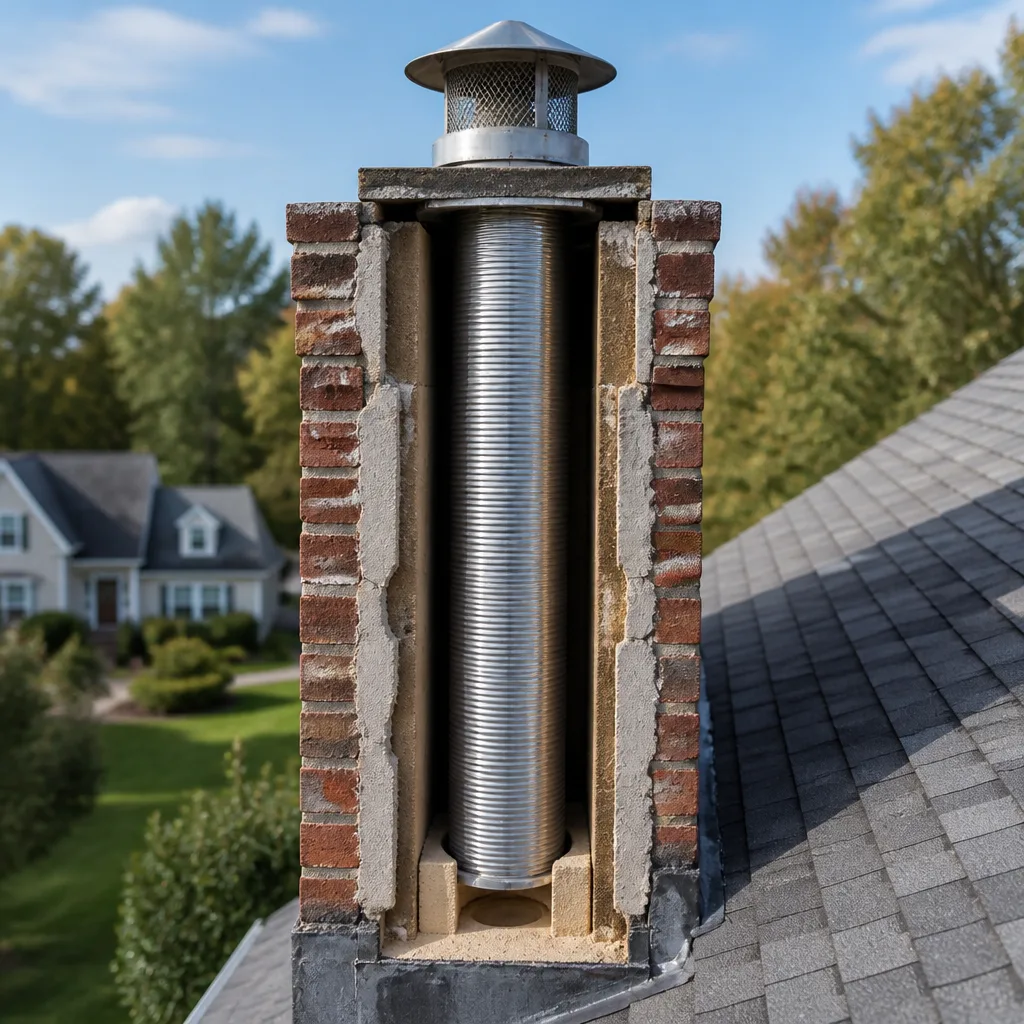 Flue relining
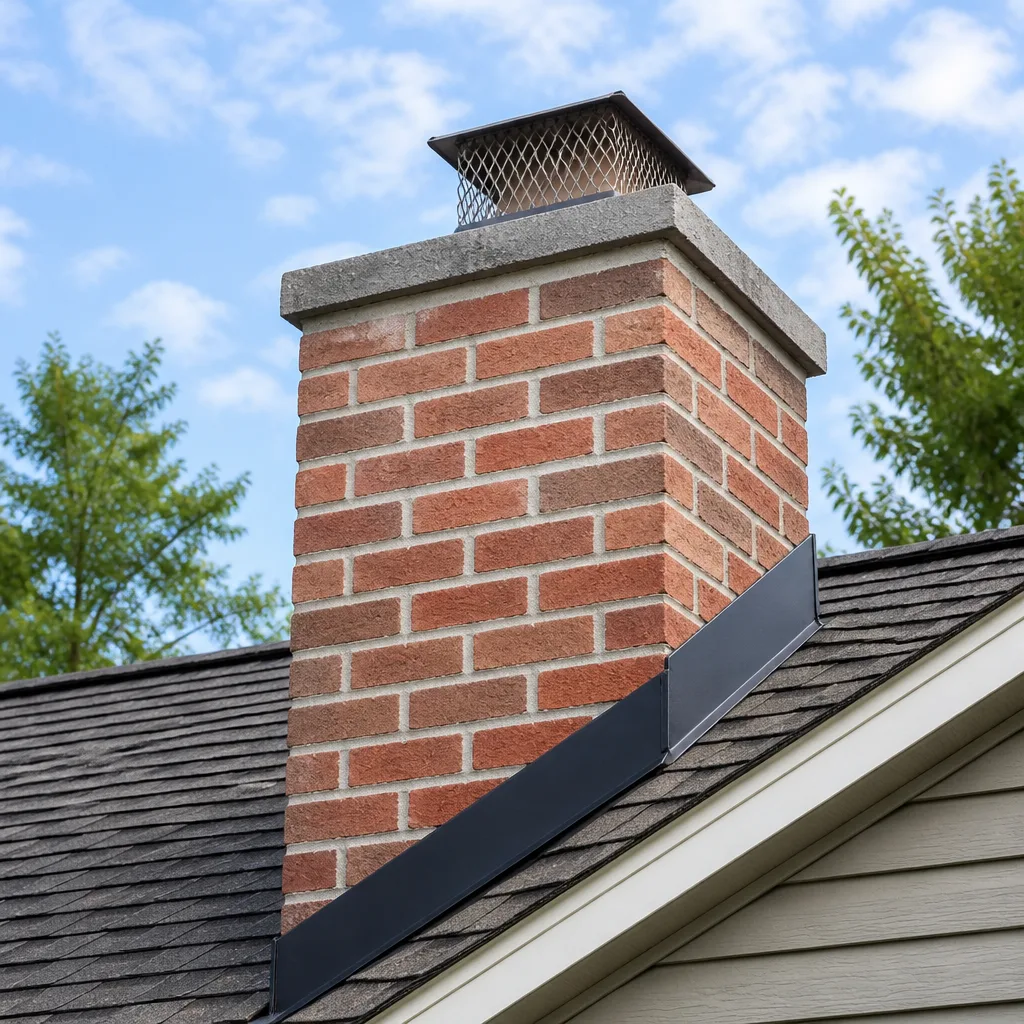 Masonry repair
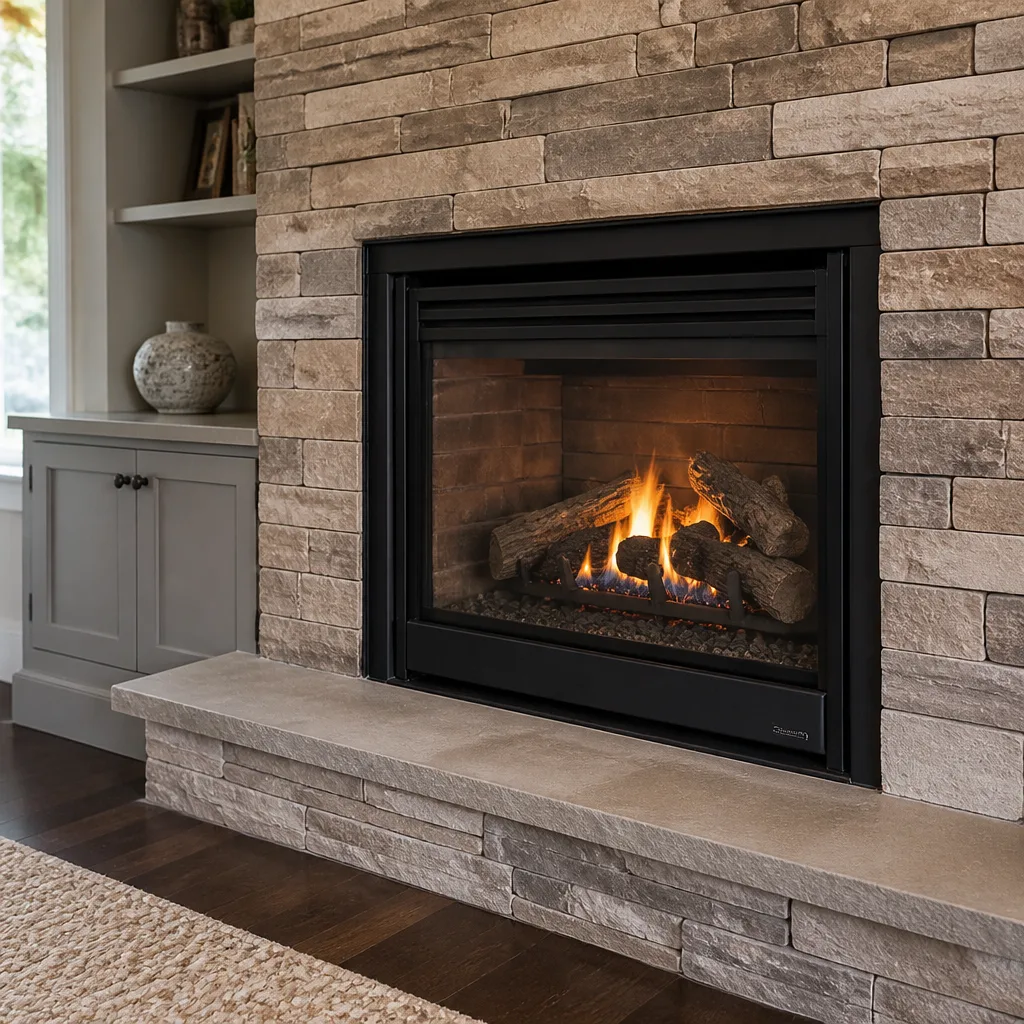 Gas fireplace service
Level 1 sweep and inspection to the NFPA 211 annual standard - flue, crown, cap, and flashing checked and photographed
Chimney sweep logs do not sweep chimneys. They loosen some creosote - which then falls where a brush and vacuum still have to collect it.
Chimney Sweep Maintenance Schedule: What to Do and When
Most chimney advice you’ll find online was written somewhere with four distinct seasons, where a chimney works hard from October through March and then sits quiet. Palm Bay doesn’t work that way. Here, a fireplace runs for a short, intense stretch of cool evenings, then goes untouched through months of heat and humidity that do their own kind of damage. That mismatch is why so many homeowners either sweep too rarely or pay for visits they don’t need. This guide lays out a maintenance schedule built for our climate, breaks the calendar down month by month, and explains how fuel type changes what your chimney actually needs. You’ll finish knowing exactly what to do, and when, in Palm Bay.
Quick Answer
For most Palm Bay homes, the right schedule is one professional sweep and inspection in early fall – ideally October, just before the short burn season – plus a quick visual check of your own a couple of times through the off-season. Wood-burning fireplaces used regularly need that annual sweep; gas log sets and decorative fireplaces often need inspection every year but a full sweep only every two to three years. The written inspection report, not the calendar alone, should drive the final call.
Styles & brands we work with
- Sweep & inspection
- Caps & crowns
- Flue relining
- Masonry repair
- Gas fireplace service
Table of Contents
- Why Palm Bay’s Climate Changes the Rulebook
- The Month-by-Month Maintenance Calendar
- Maintenance by Fuel Type: Wood, Gas, and Decorative
- What Humidity Does to a Chimney in the Off-Season
- Level 1 vs. Level 2 Inspections in Plain English
- The Homeowner’s Between-Visit Checklist
- Common Mistakes to Avoid
- When to Call a Professional
Why Palm Bay’s Climate Changes the Rulebook
The industry standard you’ll see repeated everywhere is “sweep and inspect once a year.” That’s a solid floor, but it was written for a climate where a chimney runs for six months and rests for six. In Palm Bay, the balance flips. Your chimney sits idle through roughly nine months of heat and humidity before a burn season that’s measured in weeks, not months. That means the timing of your inspection matters as much as the frequency, and the off-season is when a lot of the real wear happens.
Three local conditions shape the schedule:
- A short, concentrated burn season. Cooler evenings arrive around November and fade by February. Creosote builds up fast during that window because people burn steadily when the weather finally turns.
- Long idle stretches in humid air. Nine months of warmth and moisture is plenty of time for masonry to absorb water, for metal components to corrode, and for a cap to quietly fail.
- Sudden summer storms. Heavy rain driven sideways finds every gap in a crown, cap, or flashing. A chimney that was tight in spring can be taking on water by August.
None of this means you need more sweeps than a northern homeowner. It means the timing and the type of attention shift. A pre-season inspection catches storm damage and moisture problems before you light the first fire. A spring check confirms the burn season didn’t leave anything behind. For most homes, that’s the shape of a sensible year. When we look at a chimney in Palm Bay, the calendar tells us where to start, but the camera and the inspection report tell us what’s actually going on.
The Month-by-Month Maintenance Calendar
Here’s how a well-run year looks for a typical wood-burning home in Palm Bay. Treat it as a template, not a rigid law – your inspection findings will adjust it.
- September – book your pre-season appointment. Get on the schedule before the first cool snap, when everyone suddenly remembers their fireplace. Booking now means you’re not scrambling in November.
- October – sweep and inspect. This is the sweet spot. A clean flue and a fresh inspection report before the burn season starts is the single most valuable thing you’ll do all year. It beats the common “spring cleaning” habit because it happens right before you actually use the fireplace.
- November through February – burn season. Use the fireplace. Keep an eye on draft and smoke as you go. This is when creosote accumulates, so it’s the period your annual sweep is protecting you through.
- March – post-season visual check. The fire is out for the year. Take ten minutes to look at the firebox, the damper, and the roofline from the ground. Note anything that looks different.
- April through June – off-season moisture watch. After spring and early-summer storms, check that the cap is intact and the crown isn’t cracked. This is when water damage quietly starts.
- July and August – the deep-heat stretch. Humidity is at its peak. This is the time masonry absorbs the most moisture. If your inspection last fall flagged a crown or flashing issue, don’t let it sit through another wet season.
If you burn gas logs or have a decorative fireplace you rarely use, you can stretch the sweep to every two to three years, but keep the annual inspection. The calendar above is the backbone. Your written report is what personalizes it.
Maintenance by Fuel Type: Wood, Gas, and Decorative
This is where a lot of generic advice falls apart. “How often should I sweep my chimney?” has three different answers depending on what you burn, and conflating them is exactly why some homeowners clean too rarely and others overpay.
Wood-burning fireplaces
Wood is the highest-maintenance fuel. Burning wood produces creosote, a tar-like residue that coats the flue and is the leading cause of chimney fires when it builds up. If you burn regularly through the season, plan on an annual sweep. If you burn only occasionally, a sweep every year or two based on what the inspection shows is reasonable. The key variable is how much you actually burn, not just how many years pass. A professional sweep with a camera inspection tells you the real answer instead of guessing.
Gas log sets
Gas logs don’t produce creosote the way wood does, so they don’t need the same aggressive sweep schedule. But they have their own priorities. Gas appliances can produce moisture and mild acidic byproducts that affect the liner over time, and the burner, connections, and venting all need checking. For gas, the inspection matters more than the sweep: every year, someone qualified should confirm the venting is clear, the logs are positioned correctly, and nothing is obstructing the flue. A full sweep may only be needed every two to three years, or when the inspection finds debris, nesting material, or soot buildup.
Decorative and rarely-used fireplaces
A fireplace you light a handful of times a year still has a chimney, and that chimney still collects debris, nests, and moisture. The burn residue is minimal, so a sweep every two to three years is usually plenty. But keep the annual inspection. Animals nest in unused flues, caps fail, and masonry cracks whether or not there’s a fire burning. A decorative fireplace that sits ignored for years is one of the more common places we find problems that could have been caught early.
Whichever fuel you use, when repair is needed we work with professional-grade components – DuraFlex flexible liner systems for relining, Famco and Copperfield for caps and venting, Olympia Chimney for related components – so the fix matches the system rather than whatever generic part is on hand. That matters most on gas and wood alike, because the venting is what keeps combustion byproducts going up and out instead of into your home.
What Humidity Does to a Chimney in the Off-Season
Here’s the part northern guides skip entirely. In Palm Bay, the months your chimney isn’t in use are the months it’s most exposed to moisture. Nine months of warm, humid air works on masonry, metal, and seals in ways a cold climate never does. Knowing which problems need annual attention and which can safely wait two to three years keeps you from overpaying without ignoring something real.
Spalling brick – watch closely
Spalling is when the face of a brick flakes or pops off because moisture got inside and expanded. In a humid climate, brick and mortar stay damp for long stretches, and that repeated wetting is what drives spalling. Small flakes are early warning; larger pieces breaking away mean the masonry is deteriorating and needs attention. This is worth checking every year, because catching it early is far cheaper than rebuilding a chimney crown or upper stack later.
Liner condensation – annual attention
When warm, humid air meets a cooler flue surface, condensation forms. Over time that moisture, combined with the mild acids from combustion residue, can degrade a clay tile liner. An annual inspection with a camera catches liner cracks and erosion before they become a carbon monoxide concern. This is one of the strongest reasons to inspect every year regardless of fuel type.
Cap and crown corrosion – every one to three years, with a yearly glance
The cap keeps rain, animals, and debris out of the flue. The crown is the concrete or masonry top that sheds water away from the chimney. Both take a beating from sun and driven rain. A quick look from the ground once a year catches obvious damage, and a professional check every couple of years confirms the seal is intact. A failed crown is one of the most common ways water gets into a chimney and starts the spalling and liner problems above.
If an inspection turns up a damaged firebox or eroded flue tile, we use HeatShield, a ceramic resurfacing system that restores the surface without a full rebuild. It’s specialist-grade work, and knowing when resurfacing is the right call versus when a liner replacement is warranted is exactly what an honest inspection is for.
Level 1 vs. Level 2 Inspections in Plain English
You’ll hear “Level 1” and “Level 2” thrown around, and it’s easy to feel like you’re being sold something you don’t understand. Here’s the plain version, so you can tell whether the recommendation fits your situation.
- Level 1 inspection. The routine check. The technician looks at the readily accessible parts of your chimney and venting – the firebox, damper, flue from below, and visible exterior – without special tools or camera work. This is what’s appropriate when nothing has changed since your last visit and you’re just keeping up the annual routine.
- Level 2 inspection. A more thorough look that includes a camera run through the flue and access to parts of the chimney not visible during a Level 1. This is the right call when something has changed: you’ve bought the home, changed fuel type or appliance, had a chimney fire or storm event, or noticed a problem like smoke, odor, or visible damage. It’s also standard when a sale or major repair is involved.
Why it matters: a Level 2 is not an upsell when the circumstances call for it, and it’s overkill when they don’t. If a technician recommends one, ask them to point to the specific reason – new appliance, recent event, or something seen in the Level 1. A camera inspection with a photo report included is how you get to see what we see, so nothing is recommended without evidence you can look at yourself. That’s the whole point. If work can safely wait, we’ll say so. When you understand what each level covers, you can make that judgment call with the report in front of you instead of taking it on faith.
The Homeowner’s Between-Visit Checklist
You don’t need to climb on the roof to keep an eye on your chimney. A few minutes a couple of times a year, from safe ground, catches most changes worth reporting. Use this simple checklist between professional visits.
- From the ground, look at the roofline. Is the cap still sitting square and intact? Are there obvious cracks in the crown at the top of the chimney? Has anything shifted since you last looked?
- Check the firebox. Look for new cracks in the brick or mortar, loose pieces, or a damper that no longer opens and closes smoothly.
- Watch for moisture signs inside. Dampness, staining, or a musty smell around the firebox or on nearby walls can point to a leak that started up top.
- Note draft and smoke during the burn season. If smoke rolls into the room instead of going up, or the fire struggles to draw, something has changed and it’s worth a look.
- Look for animal activity. Nests, droppings, or scratching sounds in an unused flue mean the cap isn’t doing its job and the flue needs clearing before you burn.
- Watch the chase and exterior. On the outside of the chimney, look for loose or missing mortar, rust streaks, or pieces of brick that have fallen away.
Write down what you notice and when. A short note like “draft weak in January, cap looks fine, small crack in firebox mortar” gives a technician a head start and helps you avoid a vague “something feels off” call. If any of these checks show something that concerns you, don’t wait for the calendar – get it looked at.
Common Mistakes to Avoid
- Cleaning only in spring and skipping the pre-season sweep. A spring sweep feels tidy, but it happens months before you need the chimney. In Palm Bay, the pre-season sweep in October is what actually protects your burn season.
- Assuming “annual” means the same thing for every fuel. Wood, gas, and decorative fireplaces have different priorities. Treating them all the same means either overcleaning or missing what matters.
- Ignoring the off-season entirely. The nine months your chimney sits idle in humid air is when moisture, spalling, and cap problems develop. A couple of quick checks through the spring and summer catch them early.
- Letting a recommended repair wait indefinitely when the report flagged real damage. Some work can safely wait; a cracked crown or a failing liner taking on water through another wet season is not that kind of work.
- Skipping the inspection because the chimney “looks fine” from the couch. The problems that matter – liner erosion, hidden cracks, moisture in masonry – aren’t visible from the living room.
- Accepting a repair recommendation you don’t understand. Ask for the camera evidence and a plain-English reason. If it can’t be shown to you, don’t agree to it.
- Forgetting the firebox in a gas setup. Gas logs need the burner and venting checked even though there’s no creosote. Out of sight shouldn’t mean out of mind.
When to Call a Professional
Some situations don’t wait for the calendar. Call us if you’ve never had your chimney inspected and you don’t know its history, or if you’ve just bought a home and have no record of prior service – that’s a Level 2 situation. Call if you notice smoke backing into the room, a persistent smoky or musty odor, visible cracks in the firebox or masonry, water staining, or animals in the flue. Call if your cap or crown looks damaged after a storm, or if you’ve had a chimney fire, however small. And call if your last inspection flagged a repair you’ve been putting off; letting a moisture problem sit through another wet season rarely makes the fix cheaper. If you’re not sure whether your situation is urgent, a quick conversation settles it.
Chimney Sweep Palm Bay offers sweep, inspection, and repair in one visit, so findings get addressed by the same team that made them. Free estimates in Palm Bay – call (855) 632-3563. We answer 24/7. Fast dispatch from 7am to 7pm, Sunday through Friday. Our technicians have up to 13 years of experience.
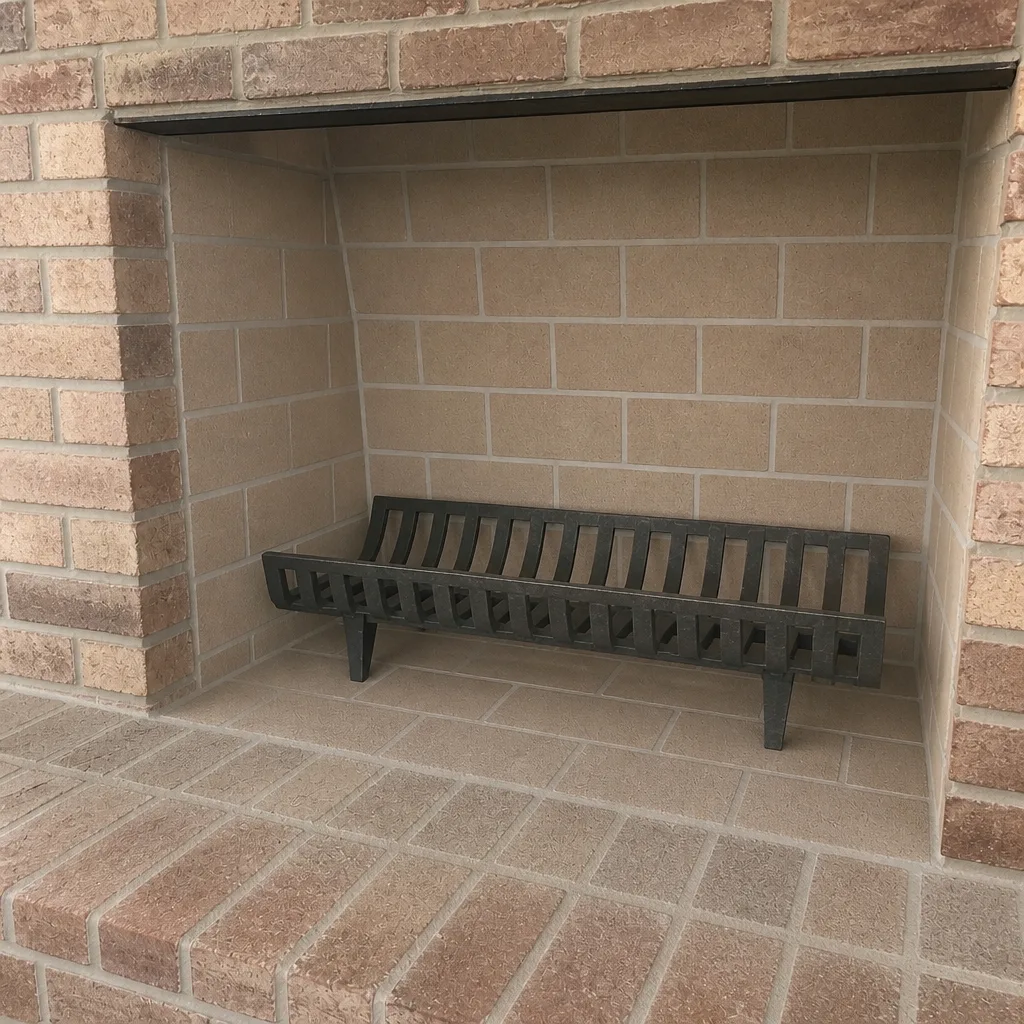
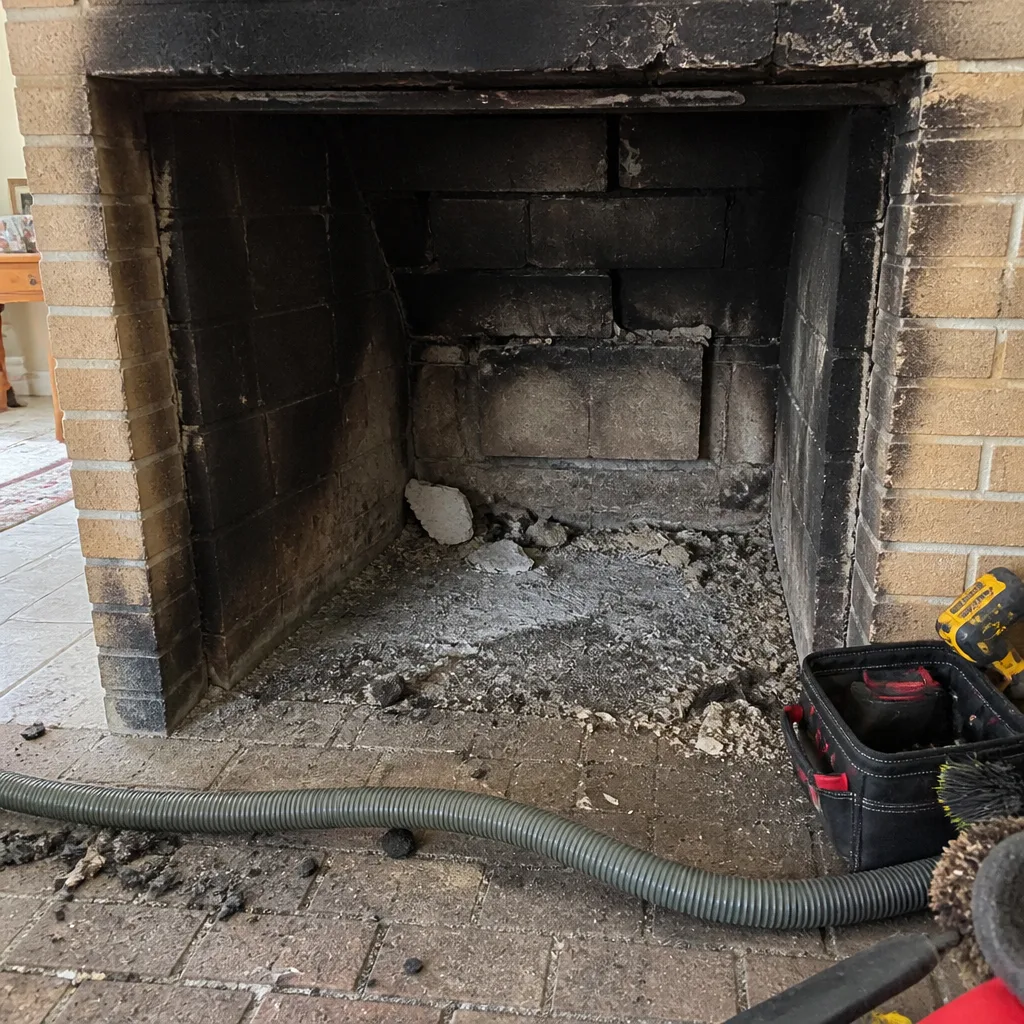
See the difference
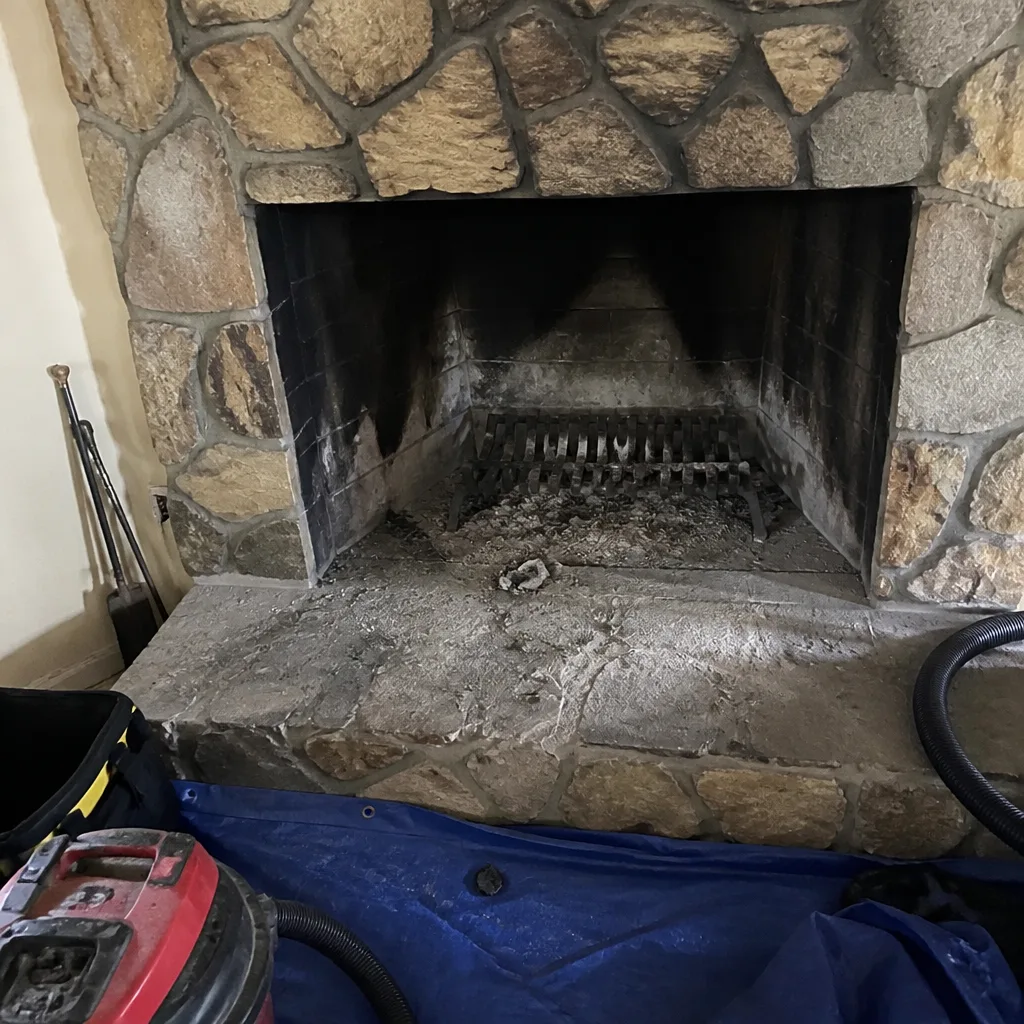 Before
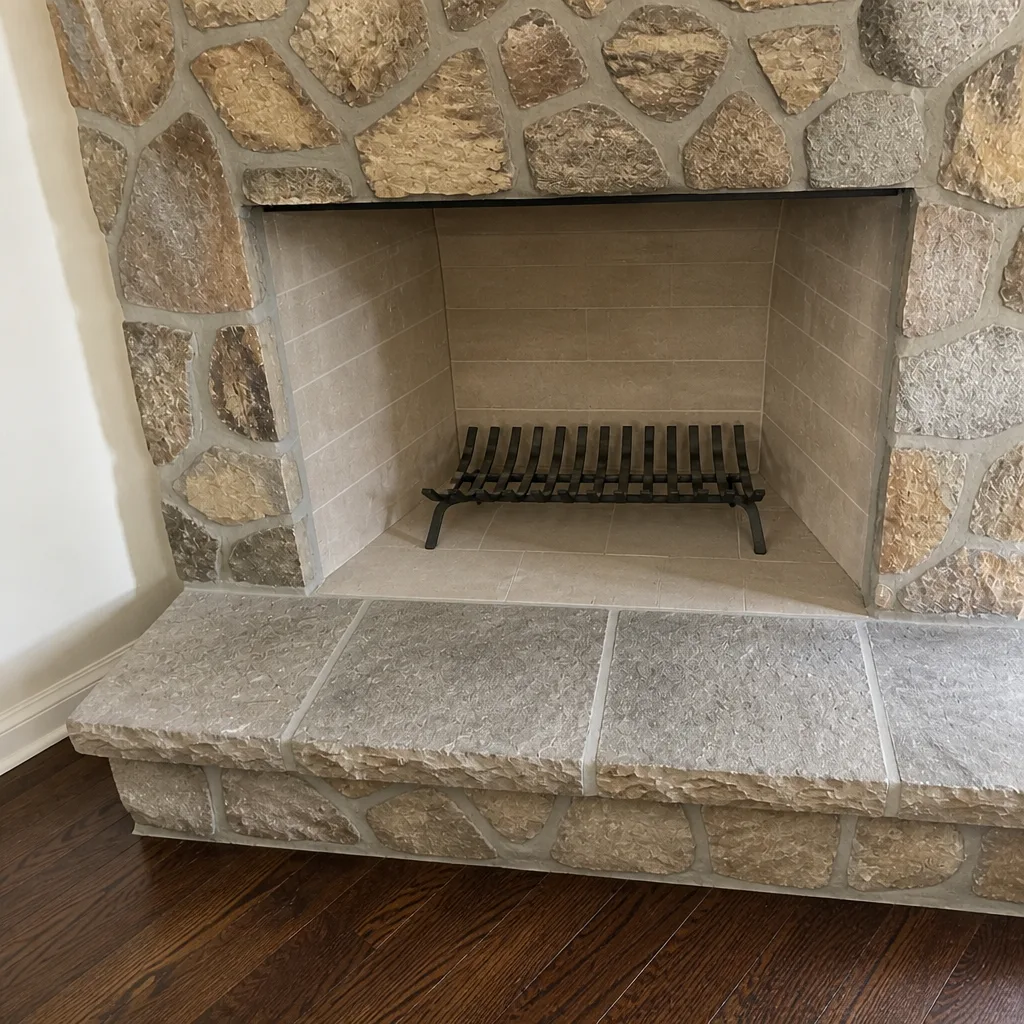 After
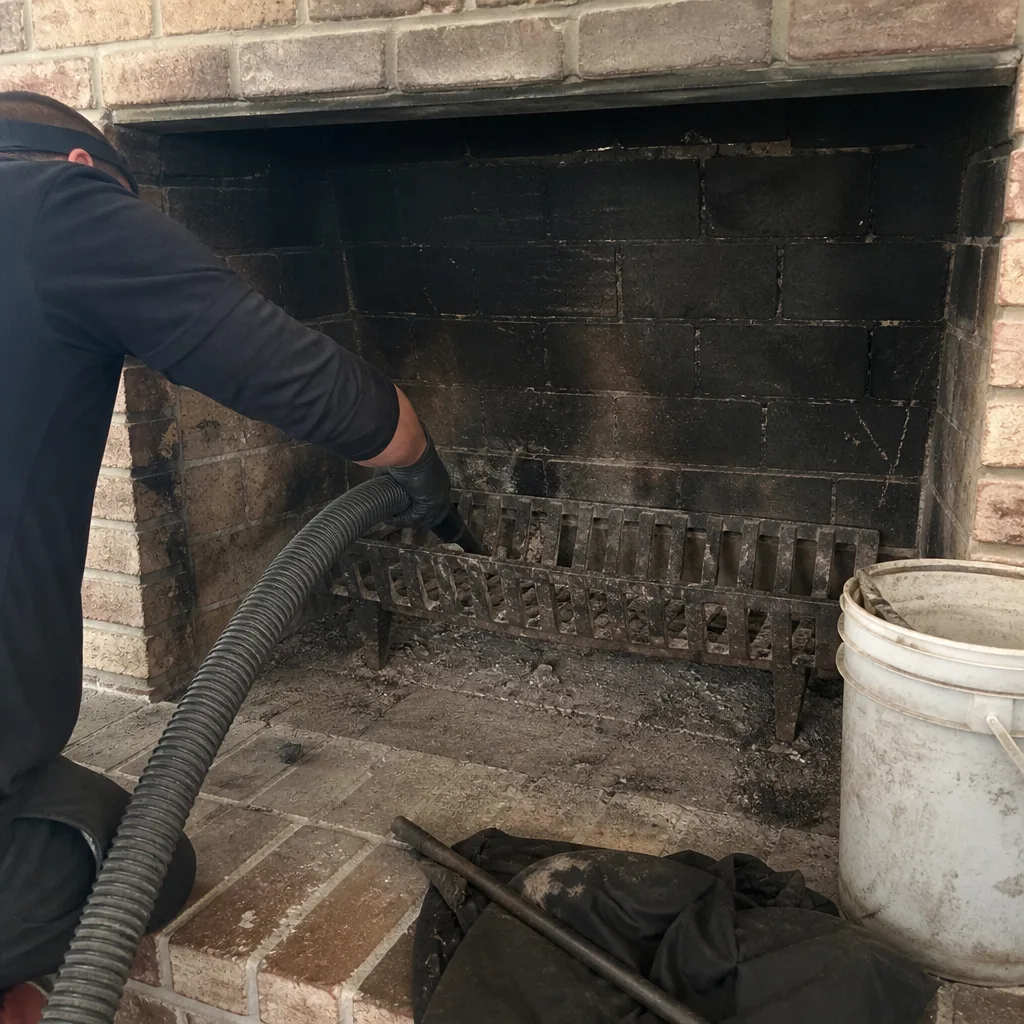 Before
 After
 Before
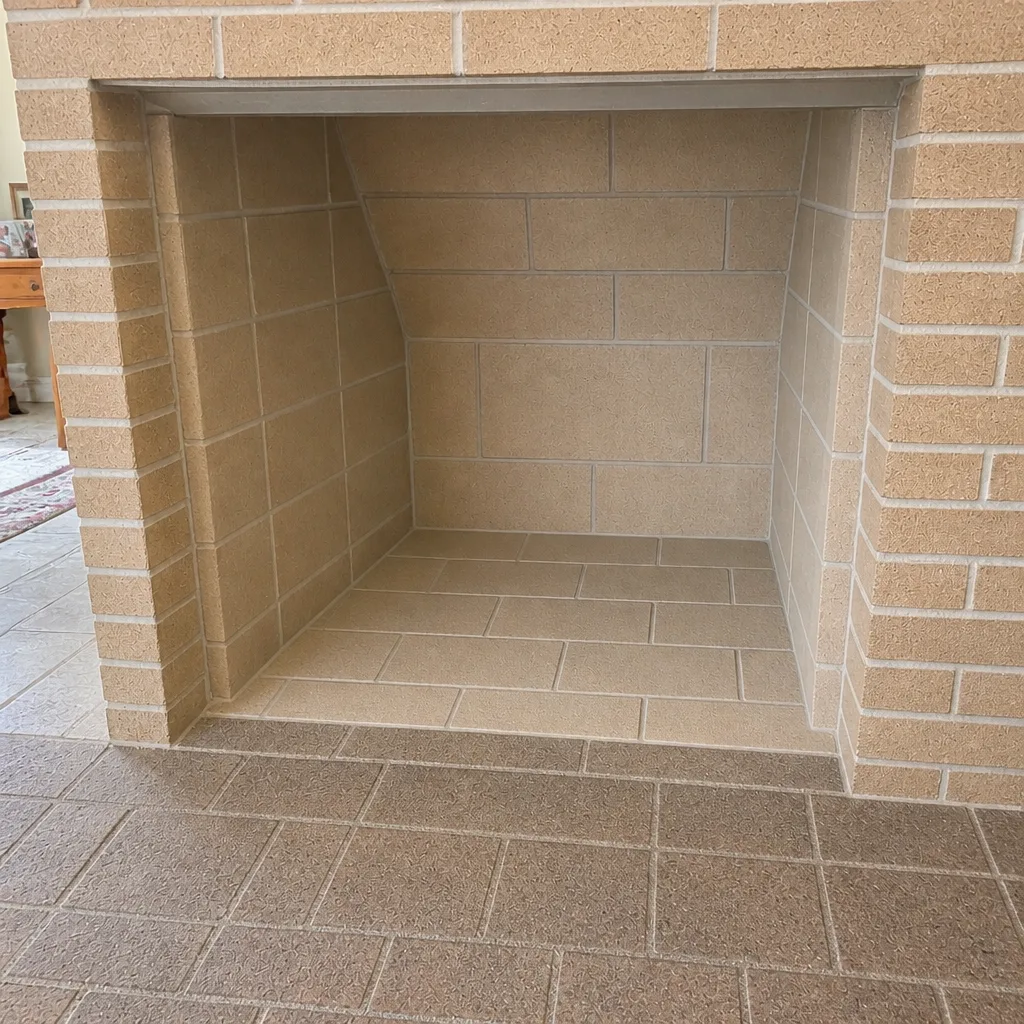 After
Frequently Asked Questions
Most wood-burning fireplaces in Palm Bay should be swept once a year, ideally in October before the short burn season. Gas log sets and decorative fireplaces often need a full sweep only every two to three years, but should still be inspected annually. The written inspection report, not the calendar alone, should drive the final decision. Call (855) 632-3563 for an exact quote – estimates are free.
A pre-season sweep in October cleans the flue right before you actually burn, so you start the season with a clear chimney and a fresh inspection report. A spring sweep happens months before you need it, leaving the flue idle through humid months when it can collect debris or moisture again. The pre-season timing keeps the clean chimney aligned with the burn season. Call (855) 632-3563 to get on the schedule.
You need a Level 2 inspection when something has changed – you bought the home, changed fuel type or appliance, had a chimney fire or storm event, or noticed a problem like smoke or odor. A Level 1 is the routine annual check when nothing has changed. If a technician recommends a Level 2, ask them to point to the specific reason. Call (855) 632-3563 to talk through your situation.
Humidity during the off-season drives the wear that a northern climate never sees: masonry absorbs moisture and can spall, liner condensation can erode clay tile, and caps and crowns can corrode or fail after storms. That’s why a couple of quick visual checks through spring and summer matter, and why the annual inspection catches these problems early. Call (855) 632-3563 if you’ve noticed dampness or masonry damage.
No. Gas logs don’t produce creosote, so they don’t need the same aggressive sweep schedule – a full sweep every two to three years is often enough. But the burner, connections, and venting should be inspected every year. The inspection priorities differ entirely from wood-burning. Call (855) 632-3563 for a free estimate and to schedule a gas fireplace inspection.
Yes, some repairs can safely wait, and we’ll tell you plainly when they can. The work that shouldn’t wait is anything letting water into the chimney or a failing liner – a cracked crown, damaged flashing, or liner erosion – because another wet season makes those worse. Nothing is recommended without camera evidence you can see for yourself. Call (855) 632-3563 for an honest assessment.
The Bottom Line
A single annual sweep is the floor, not the whole plan. In Palm Bay, the right schedule is a pre-season sweep and inspection in October, a post-season visual check in spring, and a quick look after storms through the humid off-season. Wood-burning fireplaces need the annual sweep; gas and decorative fireplaces need the annual inspection but a full sweep less often. The priorities that never move are the ones that protect against water and combustion byproducts – cracks, liner erosion, and failed caps. Let your inspection report, with the camera evidence to back it, drive the details. Sweep, inspect, repair, all in one visit; that’s how a Palm Bay chimney gets looked after year after year. Our technicians have up to 13 years of experience. Call Chimney Sweep Palm Bay at (855) 632-3563 for your free estimate.
Written by the team at Chimney Sweep Palm Bay.