
Last updated November 15, 2026
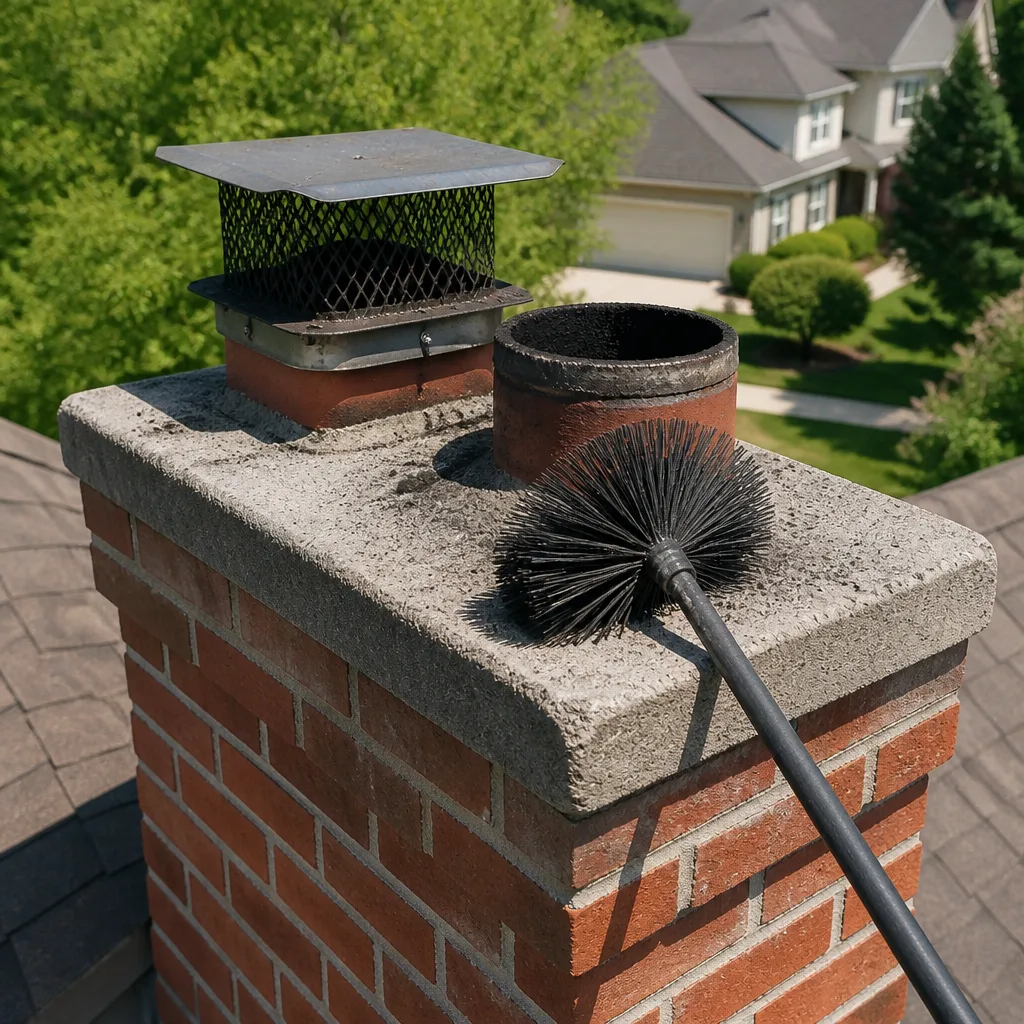 Sweep & inspection
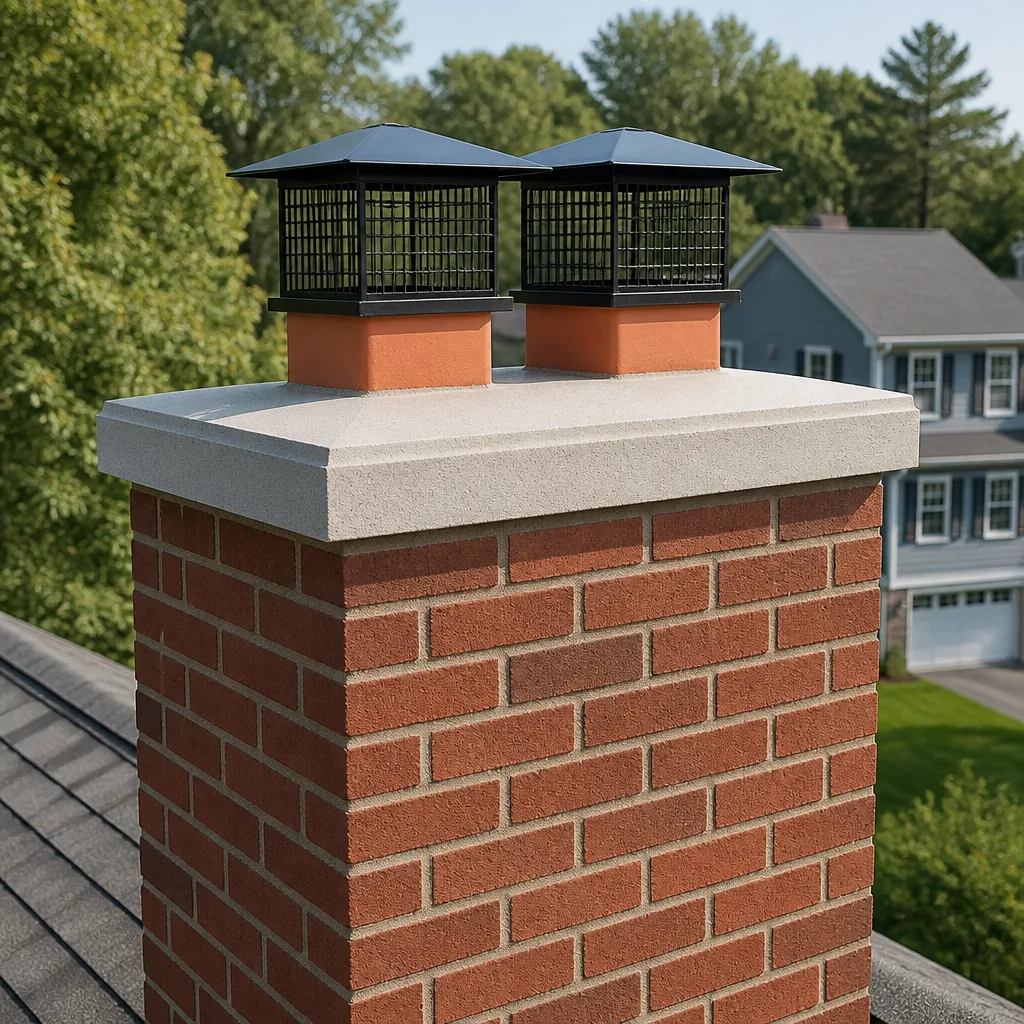 Caps & crowns
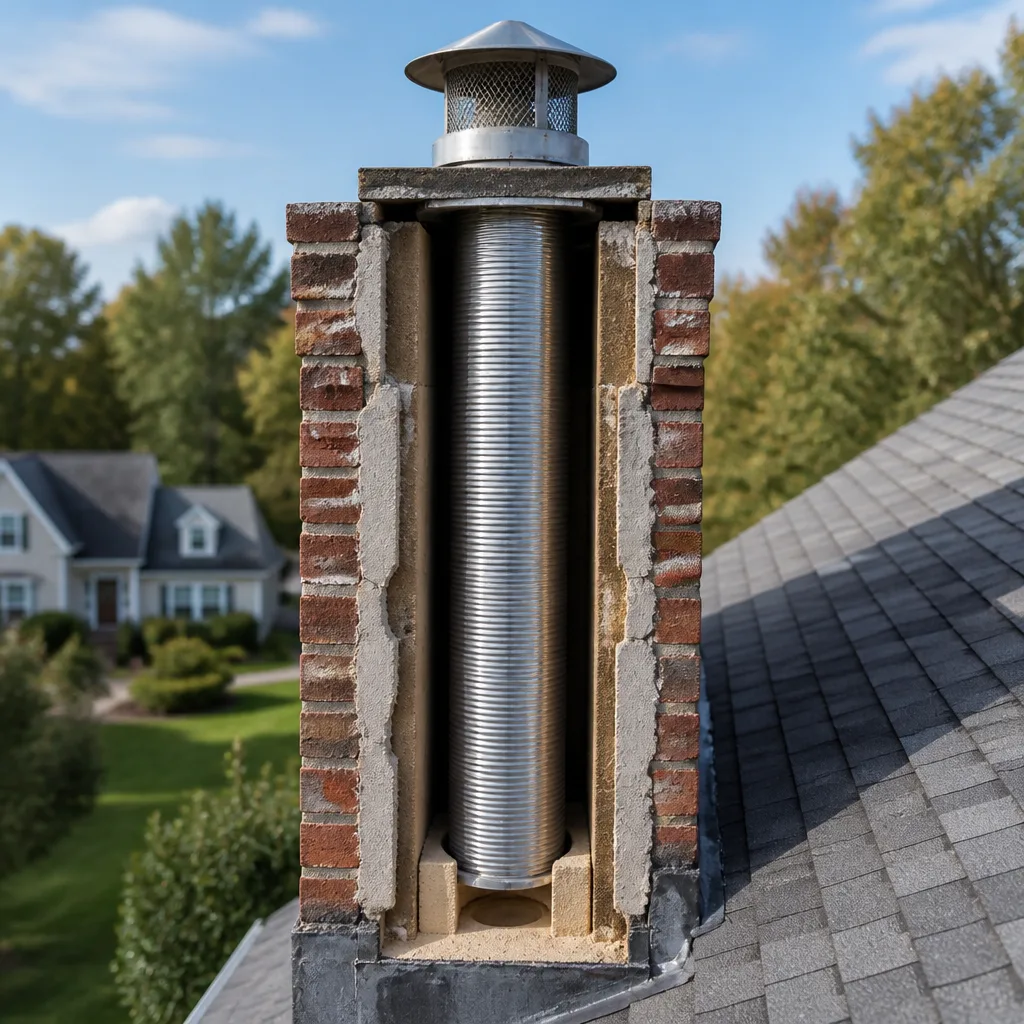 Flue relining
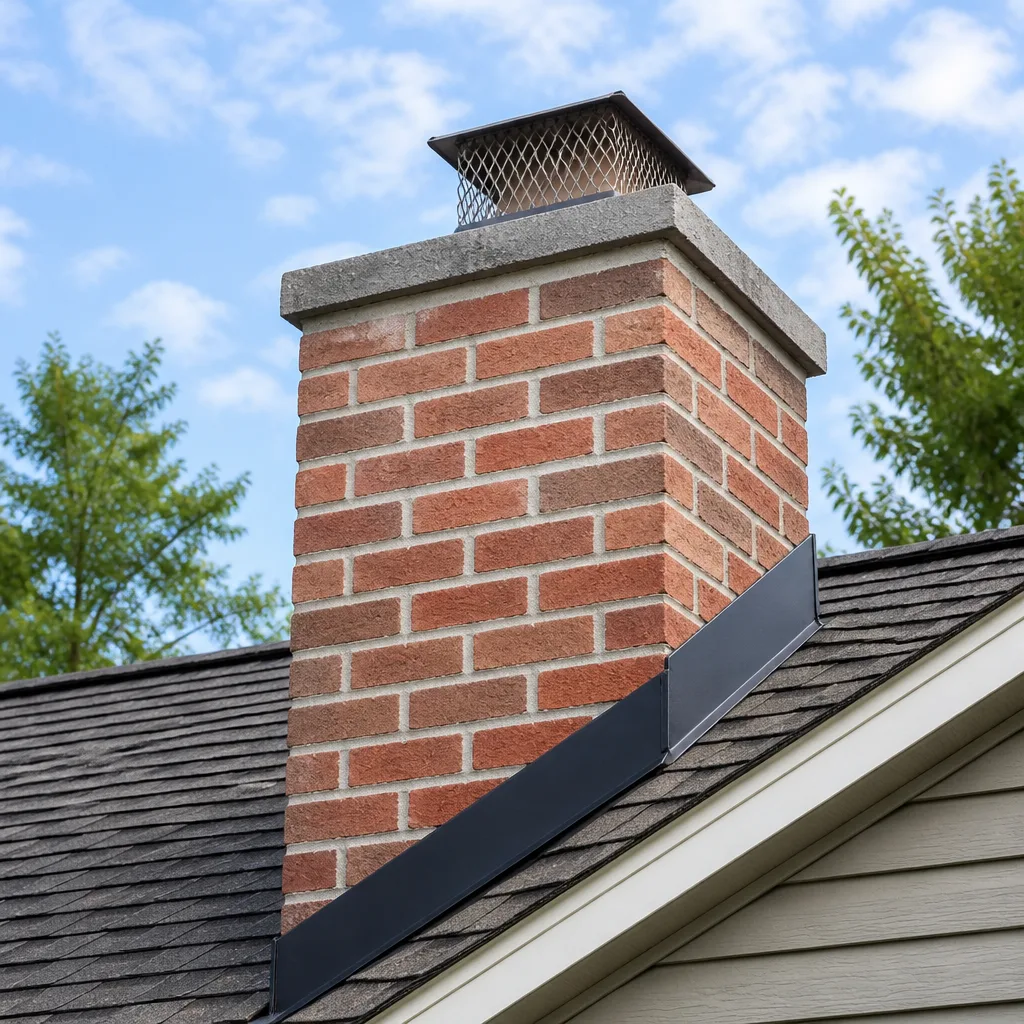 Masonry repair
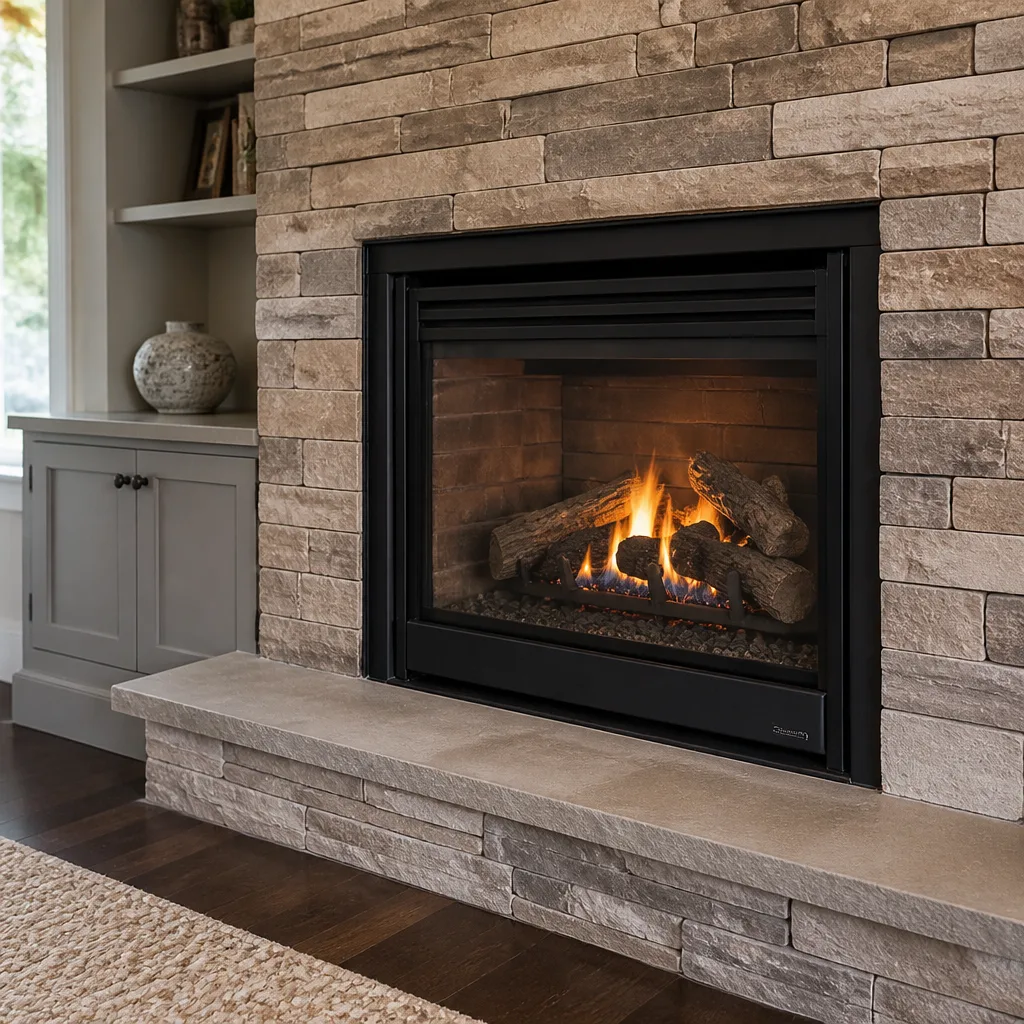 Gas fireplace service
Level 1 sweep and inspection to the NFPA 211 annual standard - flue, crown, cap, and flashing checked and photographed
Chimney sweep logs do not sweep chimneys. They loosen some creosote - which then falls where a brush and vacuum still have to collect it.
Chimney Cleaning Emergency Preparedness Guide for Palm Bay Homes
After a hurricane or severe tropical storm passes through Palm Bay, your chimney may look fine from the yard and be structurally compromised. That’s the counterintuitive part. Most homeowners worry about the fire they can see – a chimney fire roaring up the flue – but in this part of Florida, the emergencies that actually catch people off guard start with wind and rain, not flame. A cap pushed sideways, a hairline crack in the crown, water forced into mortar joints: none of that announces itself. You find out when you light a fire and smoke backs into the room, or worse, when a compromised flue lets gases escape where they shouldn’t. This guide walks you through how a Palm Bay chimney system responds to storm weather, what a post-storm assessment actually covers, how to seal damage safely until a technician arrives, what to document for an insurance claim, and how to find a credentialed contractor when every crew in Brevard County is booked solid.
Quick Answer
Emergency chimney preparedness in Palm Bay means two things: knowing how to respond to a chimney fire or obstruction during use, and knowing how to assess and secure your chimney after a hurricane or tropical storm before you light another fire. A chimney that looks intact from the ground can have a displaced cap, a cracked crown, separated flashing, or water-saturated mortar that only a proper inspection reveals. Never light a fire after a major storm until the chimney has been checked by a qualified technician.
Styles & brands we work with
- Sweep & inspection
- Caps & crowns
- Flue relining
- Masonry repair
- Gas fireplace service
Table of Contents
- Why Storm Weather Matters More Than You Think for Palm Bay Chimneys
- What a Post-Hurricane Chimney Assessment Covers
- How to Temporarily Seal Chimney Damage Before Inspection
- Chimney Fire vs. Smoke Event: Two Very Different Emergencies
- What to Document for a Homeowner’s Insurance Chimney Claim
- Finding a Credentialed Chimney Contractor After a Storm in Brevard County
- Pre-Storm Season Checklist for Palm Bay Homeowners
- The Post-Storm Recovery Timeline for Your Chimney
Why Storm Weather Matters More Than You Think for Palm Bay Chimneys
Palm Bay sits in a stretch of Brevard County that sees its share of tropical systems, and the chimney is one of the few parts of a house designed to be open to the sky. That’s the whole problem. A masonry chimney is essentially a vertical stack of mortar joints exposed to whatever the weather throws at it. Wind-driven rain doesn’t just hit the outside – it gets forced into the joints, into the crown, behind the flashing, and down the flue if the cap is compromised.
What makes this different from a generic “chimney maintenance” conversation is the sequence. In a mild Florida winter, you might light a fire a few dozen times, and the chimney accumulates creosote slowly. A hurricane can undo years of that slow wear in a single afternoon. The damage that matters most isn’t dramatic collapse. It’s the quiet kind:
- Cap displacement. A wind gust strong enough to peel shingles can rotate or lift a chimney cap. Once it’s off or sideways, rain and debris pour straight down the flue.
- Crown fracture. The concrete crown at the top of the chimney expands and contracts with heat and moisture. Cracks let water into the masonry below, where it does far more damage.
- Mortar joint failure. Wind-driven rain saturates mortar joints, and repeated wetting and drying over a storm season causes them to crumble or separate.
- Flashing separation. The metal flashing where the chimney meets the roof is a common failure point in high winds. Once it lifts, water finds the roof deck.
None of these are visible from the yard. We’ve seen plenty of homes in Palm Bay where the chimney looked perfectly fine from the driveway and the problems only surfaced with a camera down the flue. That gap between appearance and reality is exactly why post-storm inspection matters.
What a Post-Hurricane Chimney Assessment Covers
A real post-storm chimney assessment is not a quick look from the roof edge. It’s a systematic check of every point where the storm could have caused damage, from the cap down to the firebox. Here’s what a proper assessment at a Palm Bay home involves:
- Cap and spark arrestor check. We look for displacement, rust, or a cap that’s been bent or partially detached. A cap that’s off or loose lets rain and debris straight into the flue.
- Crown inspection. The crown is checked for new cracks, spalling, or separation from the flue tiles. A damaged crown is a water entry point into the masonry.
- Mortar joint evaluation. Wind-driven rain softens mortar, and joints that were fine before a storm may now be crumbling or recessed. This is checked carefully along the full height of the chimney.
- Flashing and roof interface. The flashing where the chimney penetrates the roof is inspected for lifting, separation, or missing sealant.
- Flue interior with a camera. A camera inspection reveals cracked or displaced flue tiles, water staining, debris that blew in, and any obstruction. This is where hidden problems show up.
- Firebox and damper. The damper is checked for smooth operation and a proper seal, and the firebox for mortar damage or water intrusion.
The whole point of this sequence is evidence. You shouldn’t have to take anyone’s word that your chimney needs work. A camera inspection with a photo report lets you see exactly what the technician sees, so you can judge for yourself. If nothing needs doing, we tell you that and you can light your fireplace with confidence.
How to Temporarily Seal Chimney Damage Before Inspection
If a storm leaves your chimney visibly damaged and you can’t get a technician out immediately, you need to stop water and debris from getting in without doing anything unsafe. This is temporary mitigation, not repair. The goal is to protect the chimney until a professional can assess it. Here’s what to do:
- Do not use the fireplace. Until the chimney has been inspected, no fires. That’s the most important rule in this guide.
- Cover the top opening from the ground if you can. If you can safely reach the chimney top with a long-handled tool, a piece of heavy plastic or a tarp secured over the cap area will keep rain out. Never climb onto a wet or storm-damaged roof. This is exactly the kind of height work that causes serious injury, and it isn’t worth the risk.
- Seal the firebox opening from inside. If the flue is open and you can’t cover the top, close the damper and place a sheet of plastic over the firebox opening with painter’s tape. This keeps interior air from pulling storm moisture and debris down into the living space.
- Check for water staining inside. Look at the ceiling and walls around the chimney for new water stains or dampness. If you see them, get a bucket under the drip and photograph the damage before it dries.
- Keep the area clear. Make sure nothing flammable is stacked near the firebox, and don’t store anything in front of the chimney opening while you wait for the assessment.
For anything beyond the top cover and the firebox plastic, leave it alone. Climbing the roof, trying to re-seat a cap by hand, or patching mortar yourself causes more problems than it solves. A trained technician has the equipment and the safety gear to do it right.
Chimney Fire vs. Smoke Event: Two Very Different Emergencies
Most emergency advice lumps chimney problems together, which is a mistake. A chimney fire and a smoke event are different emergencies that call for different responses. Getting it wrong wastes time you may not have.
Chimney Fire Emergency
A chimney fire is combustion inside the flue, usually fed by creosote buildup. Signs include a loud roaring or popping sound, dense smoke or flames from the top, a strong burning smell, and a chimney that’s unusually hot to the touch. The response is immediate and specific:
- Get everyone out of the house.
- Call 911.
- If you can do it safely on your way out, close the damper to reduce the air feeding the fire – but don’t linger and don’t go back in for anything.
- Do not use water on a chimney fire. It can crack the masonry.
- After the fire is out, the chimney must be inspected before it’s used again. A fire can crack flue tiles and damage the mortar in ways you can’t see.
Smoke Event or Obstruction
A smoke event – smoke backing into the room, poor draft, a strong odor – is different. It usually signals an obstruction (a bird nest, a fallen cap, debris that blew in during a storm) or a draft problem. It’s not an immediate threat to life the way a fire is, but it’s a clear sign the chimney isn’t venting properly. If you see smoke backing up, stop using the fireplace, open a window to clear the air, and call for an inspection. If you ever smell gas or suspect carbon monoxide, get out and call 911 immediately.
Knowing which situation you’re in is half the battle. The rest is having a technician you can reach and a plan for what comes next.
What to Document for a Homeowner’s Insurance Chimney Claim
If storm damage to your chimney is going to become an insurance claim, the quality of your documentation determines how smooth that claim goes. Insurers want evidence, and the longer you wait, the harder that evidence is to assemble. Here’s what to gather immediately after storm damage:
- Photographs from the ground. Take clear photos of the chimney from multiple angles, plus wider shots showing the roofline and any visible damage. Don’t climb the roof for these.
- Interior photos. Photograph any water staining, damp spots, or damage around the firebox and on the ceiling or walls near the chimney.
- Date and weather notes. Write down the date of the storm and what happened – wind direction, rain, any visible damage to the roof or yard that hints at how hard the chimney was hit.
- A professional inspection report. This is the piece that carries the most weight. An inspection with a camera and a written report, including photos, gives the adjuster concrete evidence of what the storm did. Without it, you’re describing a problem the insurer can’t verify.
- Keep receipts. If you bought temporary sealing materials, keep the receipts. They support the record of when the damage was discovered and how you responded.
The strongest claims are the ones where the homeowner documented the damage before touching anything and had an independent inspection report to back it up. That report is also useful even if you don’t end up filing – it tells you the true condition of your chimney and what, if anything, actually needs repair.
Finding a Credentialed Chimney Contractor After a Storm in Brevard County
Here’s the reality after a major storm: every contractor in Brevard County is booked. Roofers, tree services, chimney crews – the good ones have waitlists within days. That scarcity is exactly what brings out the scammers, and a Palm Bay homeowner dealing with storm damage is prime prey. Here’s how to find a legitimate contractor quickly and avoid the storm chasers.
What a Credentialed Contractor Looks Like
- They inspect before they quote. A legitimate chimney contractor won’t quote a repair over the phone or from a photo you text them. They inspect, and they show you what they find.
- They use professional-grade materials. For a Palm Bay chimney, that means brands inspectors actually know – HeatShield for firebox and flue tile restoration, DuraFlex for flexible liner systems, and Copperfield or Famco components for caps, dampers, and venting. If someone can’t tell you what materials they use, be wary.
- They offer a written estimate. A per-job written estimate, with the scope of work spelled out, is the standard. Verbal numbers and “we’ll see when we get up there” are red flags.
- They have proof of insurance. Any contractor working on your roof or chimney should be able to show insurance coverage. Ask.
- They do camera inspections. If a technician won’t put a camera down the flue and show you the footage, you have no way to verify the work they’re recommending.
Warning Signs of a Storm Chaser
- They show up unsolicited after a storm.
- They pressure you to sign on the spot or offer a “today only” price.
- They want payment up front in cash.
- They can’t provide a written estimate or references.
- They’re vague about what materials they’ll use.
When you do find a contractor, book the inspection even if the wait is long. A chimney that stops water from getting in today will hold until its inspection slot. If the damage is worse than expected, say so clearly when you call so the crew can prioritize it.
Pre-Storm Season Checklist for Palm Bay Homeowners
The best emergency response is the one you never have to make. Before storm season arrives, a few preventive steps go a long way toward making sure your chimney comes through the weather in one piece. Here’s what to do, ideally before the first tropical system forms:
- Schedule a chimney inspection. A pre-season inspection catches a loose cap, a cracked crown, or failing flashing while the weather is calm and the contractor has time to fix it. A chimney sweep visit clears creosote and debris at the same time, so you start the season clean.
- Check the cap and spark arrestor. Make sure the cap is firmly attached and the spark arrestor is intact. This is the chimney’s first line of defense against wind-driven rain and debris.
- Look at the crown. From the ground, look for visible cracks or separation at the top of the chimney. If you see them, get them fixed before storm season.
- Confirm flashing is sealed. The flashing where the chimney meets the roof should be tight and sealed. If it’s lifting or the sealant is worn, have it repaired.
- Test the damper. Make sure the damper opens and closes smoothly and seals properly. A damper that sticks open lets storm moisture into the house.
- Know your emergency plan. Have the number for your chimney contractor saved, decide where your family would gather if you had to evacuate, and know where your insurance paperwork lives.
A chimney that’s inspected and maintained before storm season is dramatically less likely to become a post-storm emergency. The cost and hassle of a preventive inspection is small compared with the repairs that follow an unprotected storm.
The Post-Storm Recovery Timeline for Your Chimney
After a storm passes, here’s how the recovery process should go, from the moment you’re able to assess the property to the point where you can safely light a fire again:
- Immediately after the storm. Stay off the roof and out of the chimney. Take ground-level photos of the chimney and any visible damage. Note the date and the storm conditions.
- Within the first day or two. If you can do it safely, cover the chimney top to keep rain out. Close the damper and seal the firebox opening from inside. Check for interior water staining and photograph it.
- As soon as you can book it. Schedule a professional post-storm inspection. A thorough assessment with a camera down the flue reveals any hidden damage. This is the inspection that tells you whether the chimney is safe to use.
- When the inspection report is in hand. If there’s damage, get a written estimate for the repair. If you’re filing an insurance claim, the report and photos are your evidence.
- After any required repairs. Once repairs are complete, have the chimney re-inspected or at minimum confirm with the technician that it’s safe to use before you light the first fire of the season.
Most storm damage is repairable, but only if it’s found before the first fire of the season. The recovery timeline isn’t about rushing – it’s about doing each step in order so you’re not guessing when it’s safe to use your fireplace again.
Common Mistakes to Avoid
- Lighting a fire before a post-storm inspection. A chimney that looks intact can have a cracked flue or a saturated crown. Waiting for the inspection is the single most important step in this guide.
- Climbing the roof to “check it yourself.” Wet, storm-damaged roofs are dangerous. Ground-level observation and a professional inspection are the safe route.
- Hiring the first contractor who knocks on the door. Storm chasers are out in force after a major system. Ask for a written estimate, insurance proof, and material specifics before committing.
- Skipping the camera inspection. A visual check from the roof edge won’t reveal flue tile cracks, water staining, or debris down the flue. Ask to see the camera footage.
- Skipping documentation for the insurance claim. A claim without photos and a professional inspection report is a claim the insurer struggles to verify. Document early.
- Using the fireplace after a chimney fire without an inspection. A chimney fire can damage the flue in ways you can’t see. The chimney must be inspected before it’s used again.
- Ignoring small changes after a storm. A slightly loose cap, a new crack in the crown, or a faint musty smell near the firebox are early warnings. Get them checked before they become repairs.
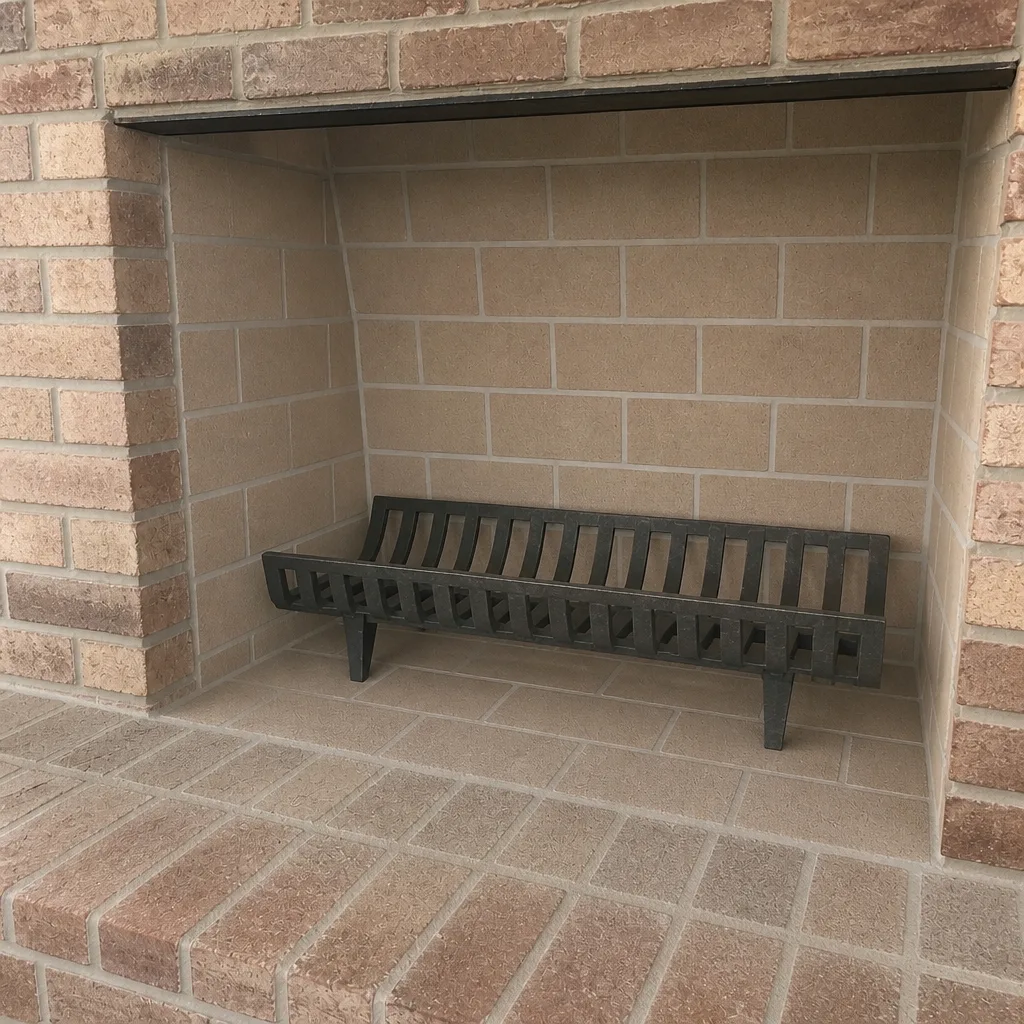
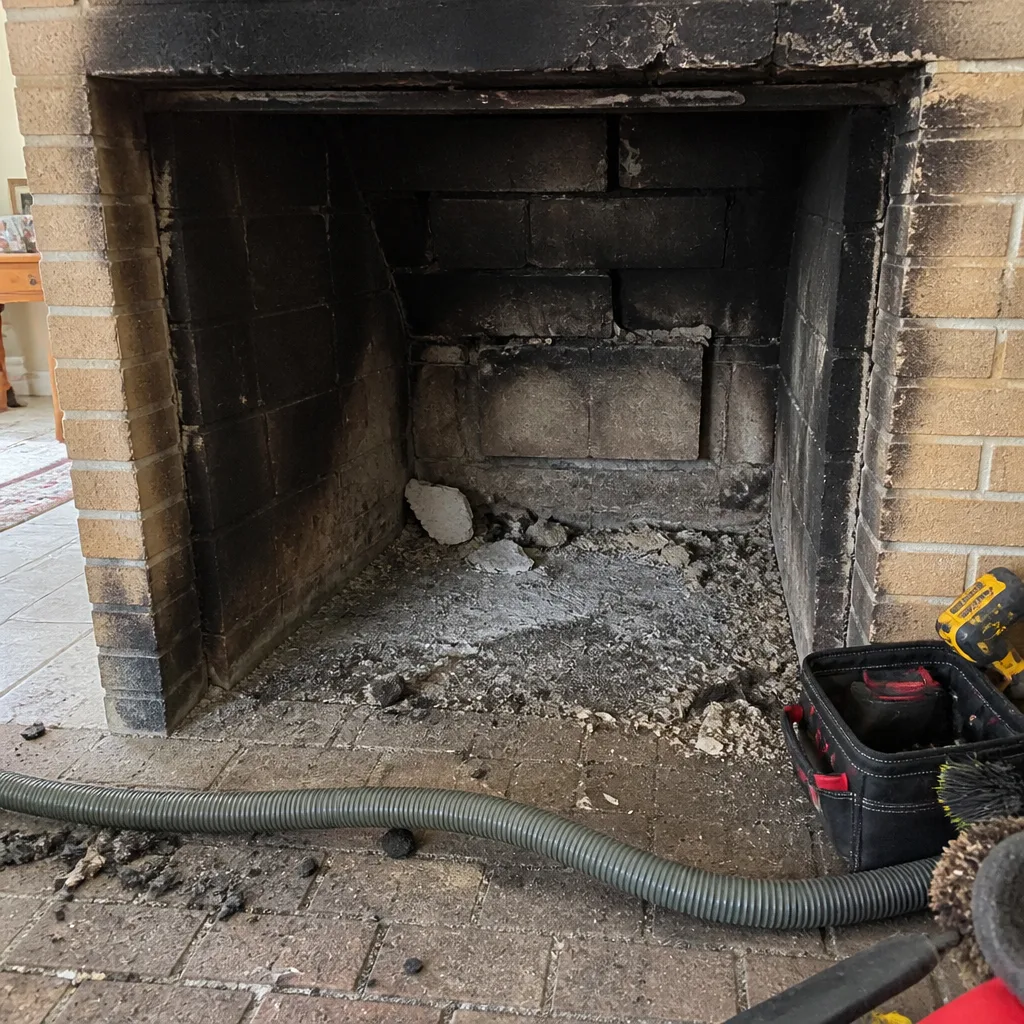
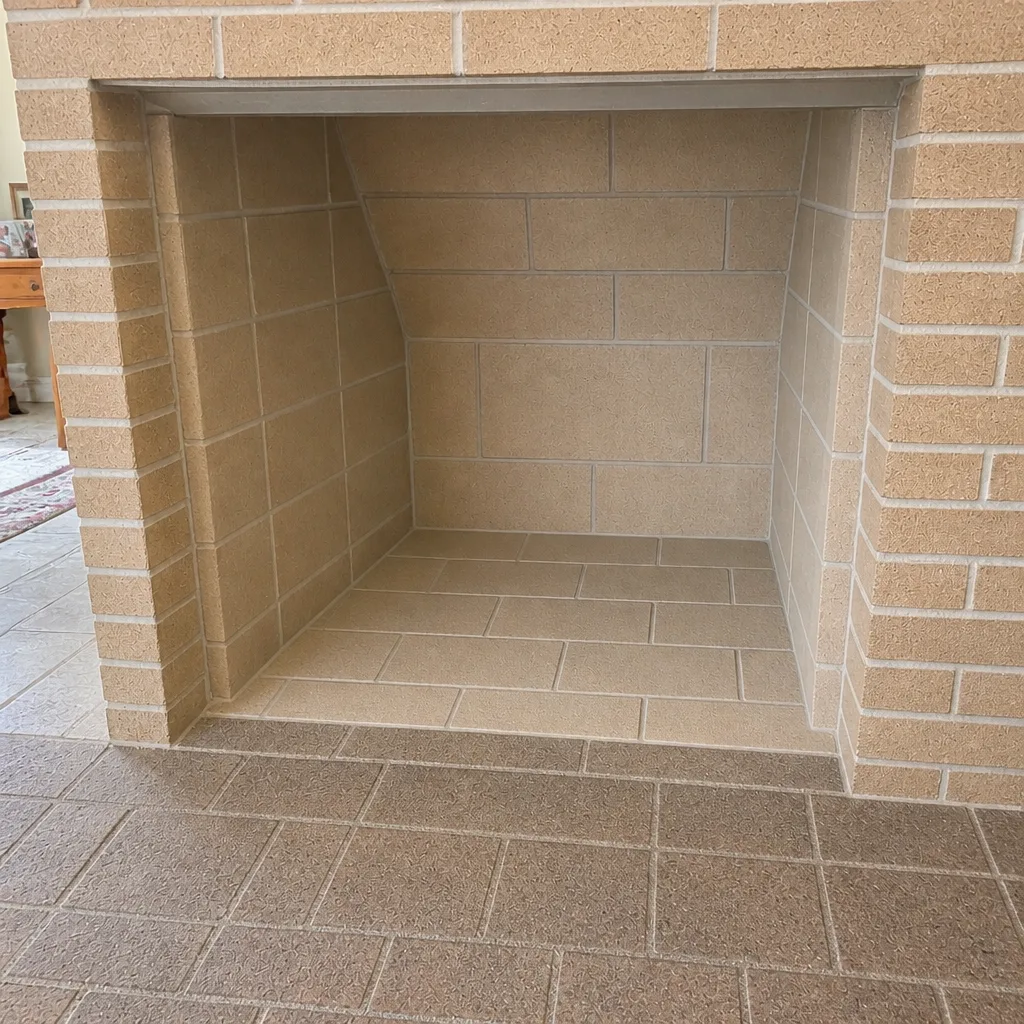
See the difference
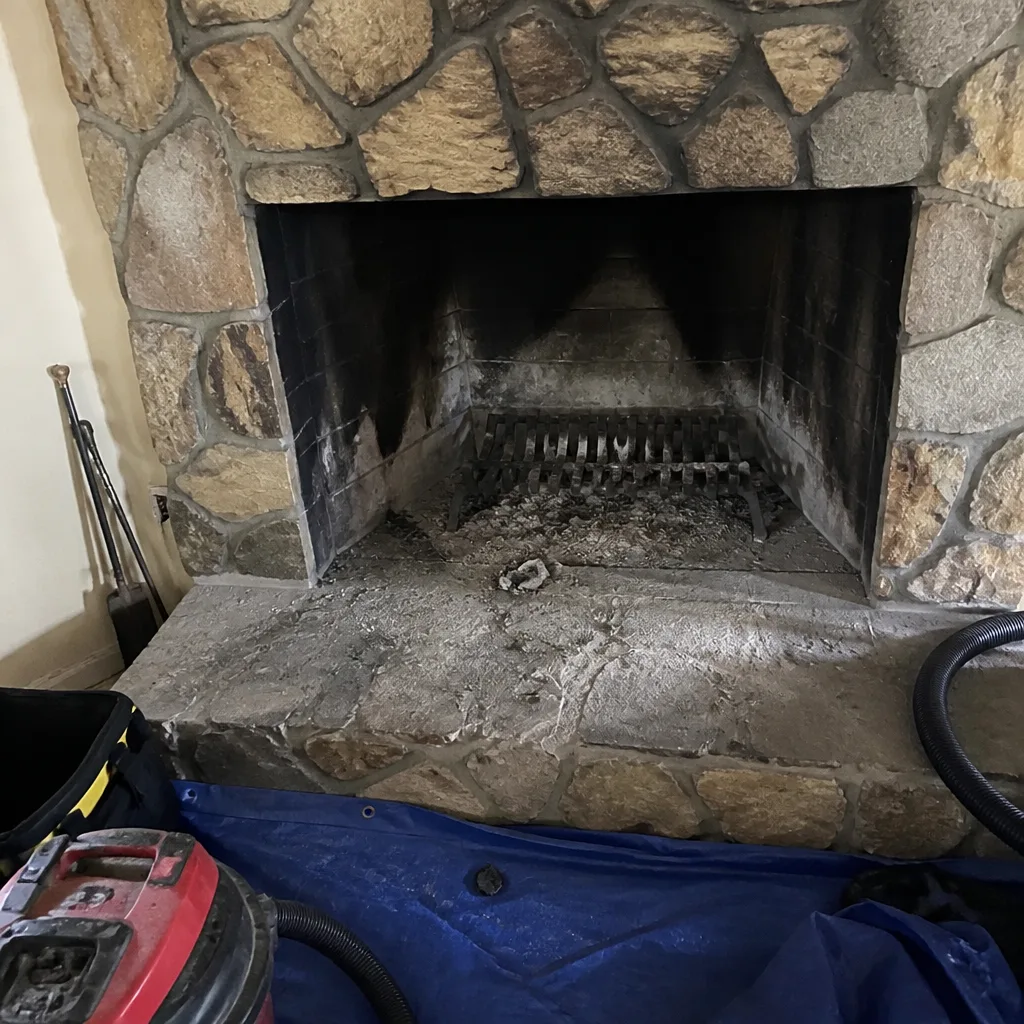 Before
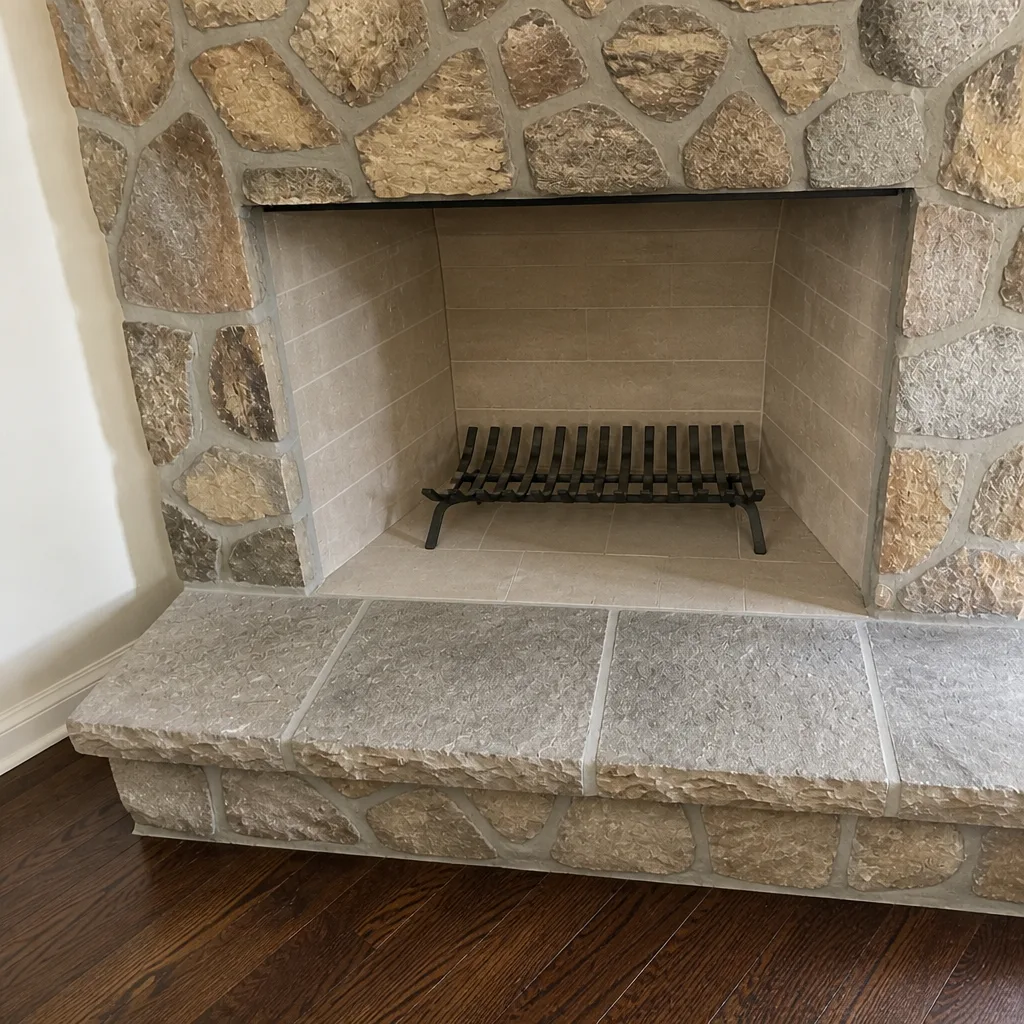 After
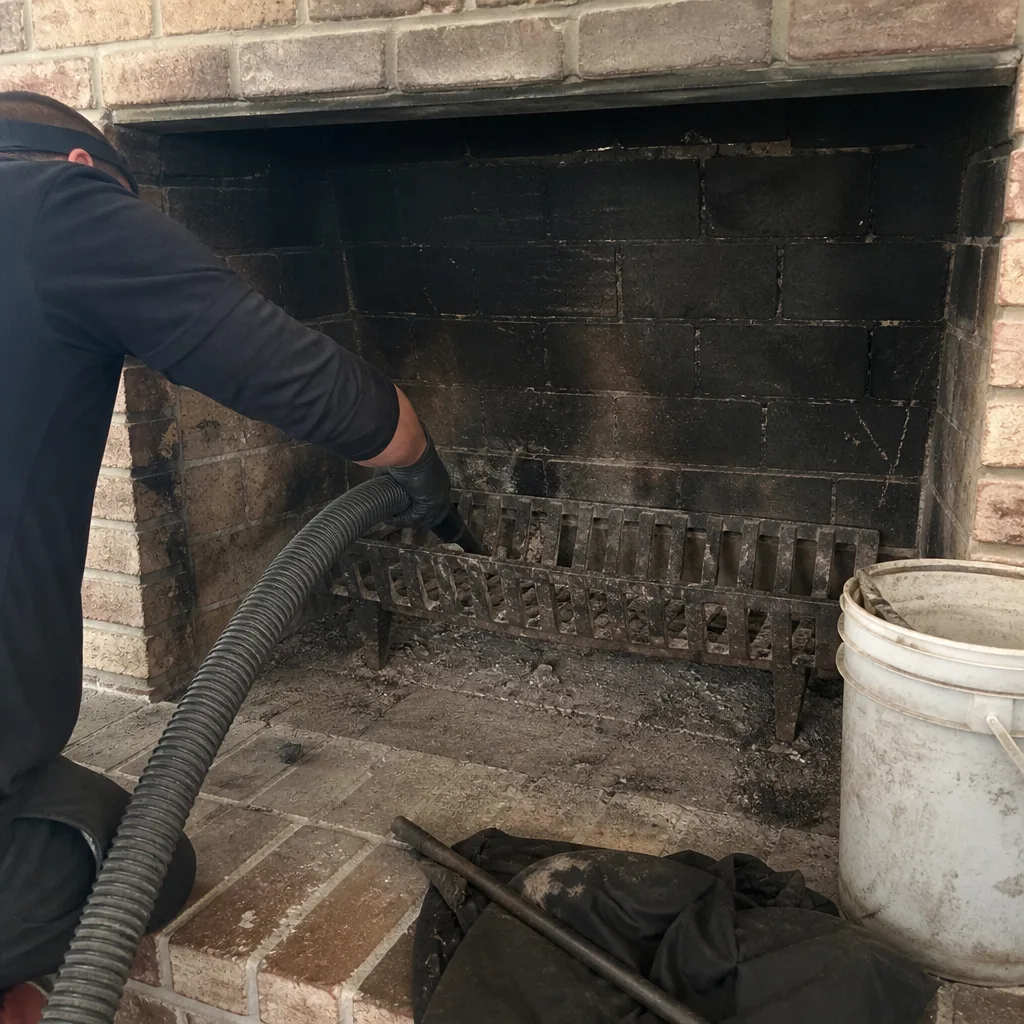 Before
 After
 Before
 After
When to Call a Professional
Some chimney issues are watch-and-wait. Others are call-now. Call a professional immediately if you’ve had a chimney fire, if smoke is backing into the room, if you smell gas or suspect carbon monoxide, or if your chimney has visible storm damage – a displaced cap, a cracked crown, or separated flashing. Call before you light a fire after any major storm, and call if your last inspection was over a year ago or you’ve just bought a home with a fireplace you’ve never used. Chimney repair work on a storm-damaged chimney isn’t a do-it-yourself job, and neither is judging whether the flue is safe. Chimney Sweep Palm Bay offers free estimates in Palm Bay. Call (855) 632-3563. We answer 24/7. Fast dispatch from 7am to 7pm, Sunday through Friday.
Frequently Asked Questions
No. A chimney that looks intact from the yard can have a displaced cap, a cracked crown, separated flashing, or a flue with internal damage that isn’t visible from the ground. Have it inspected before the first fire after a major storm. Call (855) 632-3563 to book a post-storm inspection – estimates are free.
Don’t use the fireplace, and don’t climb the roof. Take ground-level photos, cover the chimney top from a safe position if you can, seal the firebox opening from inside, and check for interior water staining. Then book a professional inspection. Call (855) 632-3563 for an exact booking.
Inspection pricing is set per job by a written estimate, and it depends on what’s being inspected and how accessible the chimney is. We don’t quote over the phone because the price depends on the actual job. Call (855) 632-3563 for a free estimate.
A chimney fire is combustion inside the flue and requires evacuation and a 911 call. A smoke event is smoke backing into the room, usually from an obstruction or a draft problem, and calls for stopping use of the fireplace and booking an inspection. If you smell gas or suspect carbon monoxide, get out and call 911. Call (855) 632-3563 for a smoke-event inspection.
Ask for a written estimate, proof of insurance, and specific materials – brands like HeatShield for firebox and flue restoration or DuraFlex for liner work. Be wary of anyone who knocks unsolicited, pressures you to sign on the spot, or wants cash up front. Call (855) 632-3563 for an inspection with a camera report you can see for yourself.
Ground-level photos of the chimney and roof, interior photos of water staining, notes on the storm date and conditions, receipts for temporary sealing materials, and a professional inspection report with photos of what the storm did. That report is the evidence the insurer can verify. Call (855) 632-3563 to arrange an inspection and report.
Once a year for a chimney that’s in regular use, and always after a major storm or a chimney fire. If you’ve just bought a home, get an inspection before the first fire. A yearly inspection catches the small problems before they become expensive repairs. Call (855) 632-3563 to book.
The Bottom Line
Emergency chimney preparedness in Palm Bay is mostly about what happens before and after the emergency, not during it. Have your chimney inspected before storm season, know how to secure it safely after a storm, understand the difference between a chimney fire and a smoke event, and document everything if a claim is coming. The recurring theme is evidence: a camera inspection and a photo report you can see for yourself, so no one is asking you to take a repair recommendation on faith. If a Palm Bay storm has you wondering whether your chimney is safe, that’s the moment to call. Sweep, inspect, repair – all with professional-grade materials and a written estimate before anything starts.
Contact
If storm weather has you worried about your chimney, or if it’s simply been a while since the last inspection, we’re ready to help. Chimney Sweep Palm Bay handles Chimney Sweep Palm Bay services, and our full lineup includes chimney sweep and chimney repair work, with all three core services under one team so findings don’t get handed off to a second company. Our technicians have up to 13 years of experience, and we work with professional-grade brands – HeatShield for firebox and flue tile restoration, DuraFlex for flexible liner systems, Copperfield and Famco for caps, dampers, and venting. We document what we find and show you the camera footage, so you can see exactly what’s going on inside your Palm Bay chimney. Call (855) 632-3563 for a free estimate. We answer 24/7. Fast dispatch from 7am to 7pm, Sunday through Friday.
Written by the team at Chimney Sweep Palm Bay.